
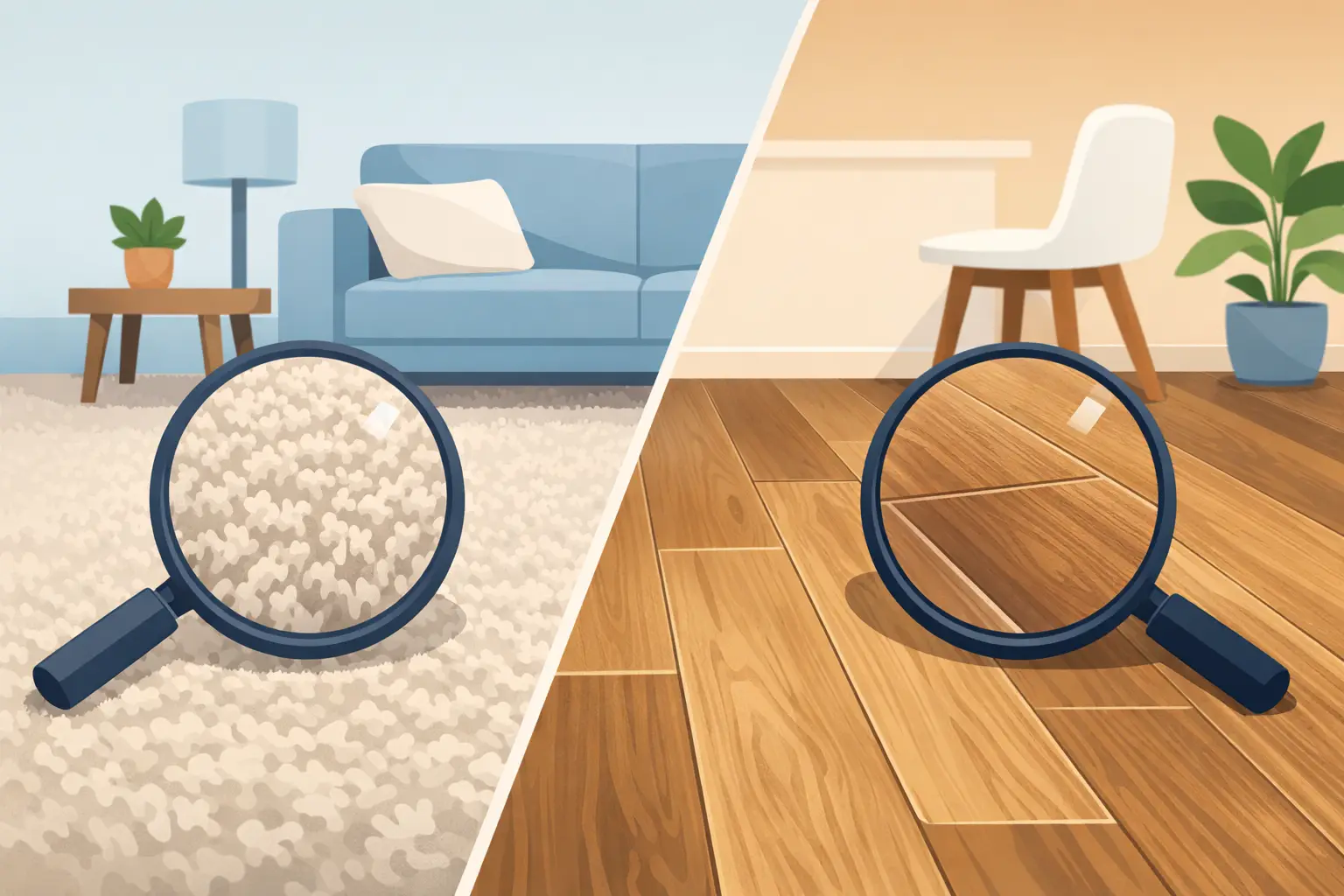
A bedroom that feels cold in the morning and a living room that shows every spill can turn a flooring decision into a costly regret. When homeowners and property managers compare carpet vs vinyl plank, the right choice usually comes down to where the floor is going, how the space is used, and how much maintenance makes sense long term.
Both materials have real advantages. Carpet brings softness, warmth, and sound control. Vinyl plank offers water resistance, easy cleanup, and strong durability for busy spaces. The better option is not always the one with the lower upfront price. It is the one that matches your daily use, design goals, and expected wear.
Carpet vs Vinyl Plank for Everyday Living
For comfort, carpet still has a clear edge. In bedrooms, family rooms, and upstairs spaces, it creates a softer and quieter feel underfoot. That matters if you have children playing on the floor, want a warmer surface in the morning, or simply prefer a more cushioned room.
Vinyl plank feels firmer, but it makes up for that with practicality. In kitchens, hallways, entry areas, and many rental properties, it handles traffic, pets, and routine cleaning better than most carpet styles. If a room sees frequent spills, dirt from outside, or rolling furniture, vinyl plank is often the easier product to live with.
That is why a full-home answer is rarely simple. Many Arizona homes do better with a mix of materials rather than one flooring type everywhere.
Where Carpet Makes More Sense
Carpet works best in spaces where comfort matters more than moisture resistance. Bedrooms are the most common example. A good carpet can make the room feel quieter, more relaxed, and more finished. It also helps reduce echo in larger spaces and can soften sound between floors in two-story homes.
For homeowners who want a cozy feel, carpet can also be a smart choice in a media room or formal living area. In some offices, it helps control noise and creates a more comfortable environment for long workdays.
The trade-off is maintenance. Carpet holds dust, dirt, and pet hair more easily than hard surface flooring. Even high-quality carpet needs regular vacuuming and occasional deep cleaning. In homes with pets, young children, or heavy foot traffic, some styles will show wear faster than others.
Not all carpet performs the same way, either. Fiber type, face weight, density, and stain protection all affect how well it will hold up. That is where expert guidance matters. The right carpet for a primary bedroom may not be the right carpet for a busy hallway or a rental unit.
Where Vinyl Plank Has the Advantage
Vinyl plank is often the better fit when durability and easy care are top priorities. It is especially popular in kitchens, bathrooms, laundry rooms, main living areas, and commercial settings because it handles moisture and routine messes well.
For Phoenix-area buyers, vinyl plank also makes sense in homes where outdoor dust, pool traffic, or frequent in-and-out activity are part of daily life. A quick sweep and damp mop usually keep it looking good. That simplicity is a major reason many property owners choose it for rentals and light commercial spaces.
Design is another strength. Today’s luxury vinyl plank comes in a wide range of wood-look visuals, colors, and plank sizes. Some products closely resemble hardwood while offering a lower-maintenance surface. For buyers who want the look of wood without the same level of care or cost, vinyl plank is often an attractive middle ground.
Still, vinyl plank is not perfect. Lower-grade products may feel thinner, sound louder underfoot, or show damage sooner. Subfloor preparation and installation quality also matter a great deal. If the base is uneven or the product is not installed correctly, the floor may not perform the way it should.
Comfort, Noise, and Feel Underfoot
This is one of the biggest differences in the carpet vs vinyl plank decision. Carpet is softer, quieter, and more forgiving to stand or sit on. If your goal is comfort first, vinyl plank will not fully replace that feel.
Vinyl plank can be improved with the right underlayment, but it remains a hard surface. Some customers like that cleaner, more modern feel. Others notice the difference right away, especially in bedrooms or upstairs rooms where noise transfer matters.
For families, comfort is often room-specific. You may want carpet where people relax and vinyl plank where people move, cook, and clean. That kind of practical split usually delivers better long-term satisfaction than forcing one material into every room.
Durability and Maintenance
Vinyl plank generally wins on day-to-day maintenance. It is easier to clean, less likely to trap allergens and pet hair, and better suited for areas where spills happen often. For commercial buyers and landlords, that can translate into lower upkeep between tenants or less frequent replacement in high-use spaces.
Carpet can still perform well, but it depends more heavily on product selection and household habits. A durable, stain-resistant carpet in the right location can last well and look great. Put that same carpet in a moisture-prone or high-soil area, and the wear may show sooner.
Pets are often the deciding factor. If you have accidents, muddy paws, or a lot of shedding, vinyl plank is usually the safer choice. If pets are not an issue and the room is low traffic, carpet may still be the better fit.
Appearance and Style Flexibility
Carpet offers color, texture, and softness that hard surfaces cannot duplicate. It can make a bedroom feel more inviting and can help formal spaces feel finished and comfortable. Patterned carpet and textured styles also give designers and homeowners more options than many people expect.
Vinyl plank delivers a different kind of design flexibility. It supports open-concept layouts, creates visual continuity from room to room, and pairs easily with many cabinet and wall colors. Buyers who want a cleaner, more current look often lean toward vinyl plank, especially in remodels.
The right choice depends on the mood you want. Carpet feels softer and quieter. Vinyl plank feels more streamlined and easier to maintain.
Cost Depends on More Than the Product
It is easy to ask which flooring is cheaper, but the better question is what gives you the best value for the intended use. Carpet often has a lower upfront material cost, although premium carpet and cushion can raise the total quickly. Vinyl plank can cost more initially, especially in better-quality lines, but may offer savings over time through durability and lower maintenance.
Installation also affects the final number. Room size, furniture moving, floor prep, demolition, transitions, and subfloor condition all play a role. That is why a real estimate matters more than rough online price comparisons.
For many buyers, the smart move is to balance budget with longevity. Spending less on the wrong material for the space usually costs more later.
How to Choose Between Carpet and Vinyl Plank
Start with the room, not the trend. Ask what happens in that space every day. Is it a quiet bedroom, a busy hallway, a rental turnover, or a commercial office? Does it need warmth and sound control, or easy cleaning and water resistance?
Then consider who uses the space. Children, pets, tenants, and customers all create different demands. So does the level of maintenance you are realistically willing to keep up with.
Finally, look at product quality and installation. A well-chosen product installed correctly will almost always perform better than a cheaper option chosen on price alone. This is where working with a local flooring team can save time and prevent expensive mistakes. At Premium Carpet Tile Stone and Wood, LLC, much of the value comes from helping buyers compare real samples, understand the trade-offs, and match the right flooring to the job.
If you are torn between the two, that usually means both have a place in your project. The best flooring plan is often not carpet or vinyl plank everywhere. It is the right material in the right room, installed with long-term use in mind. A floor should make daily life easier, not just look good on installation day.




Leave A Comment