
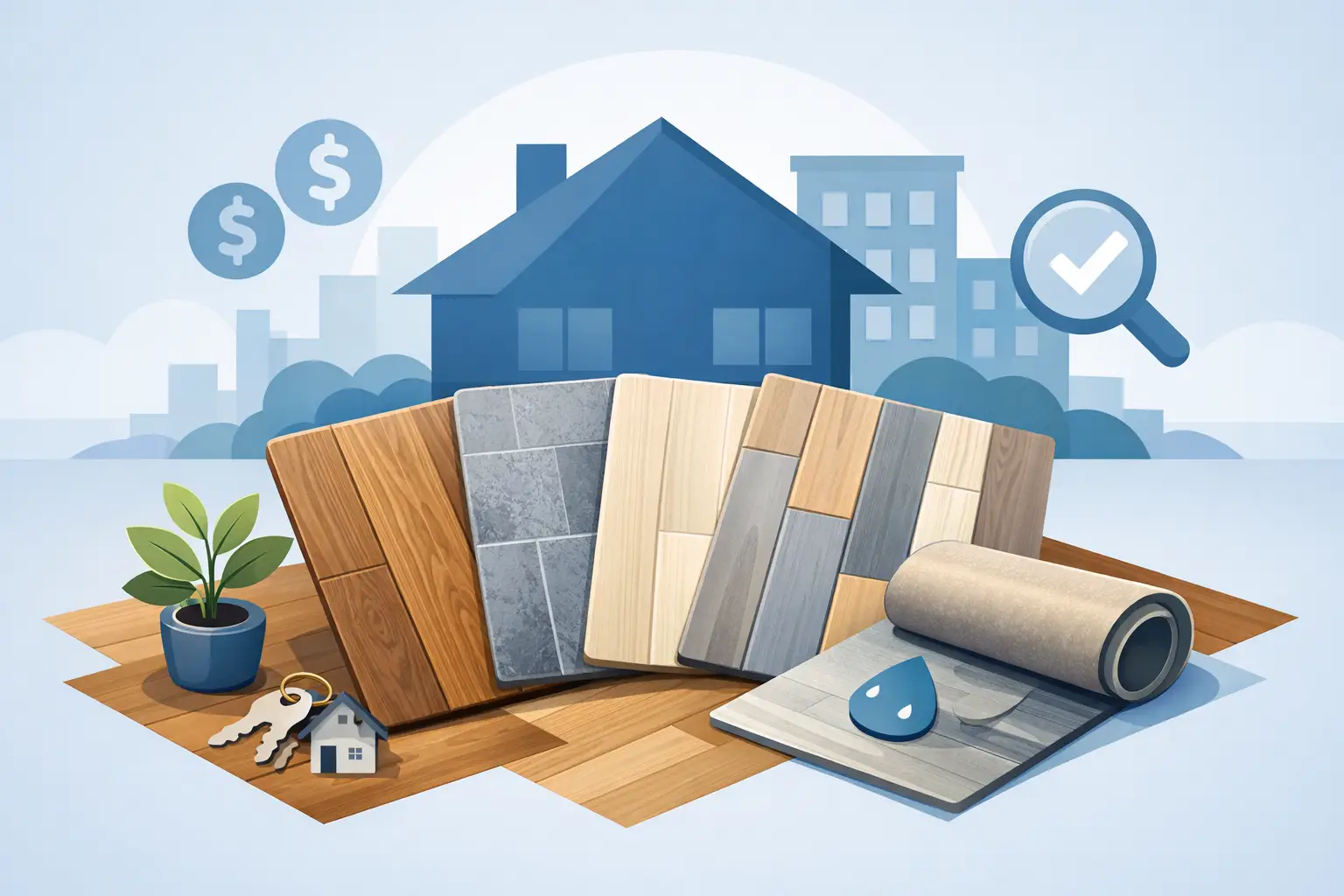
A rental turns expensive fast when the flooring looks worn after one lease. Scratches at the entry, stains in the bedroom, chipped edges in the kitchen – those small issues add up to more repairs, longer vacancy, and more money spent between tenants. If you are weighing the best flooring for rental property, the right answer is usually the one that balances durability, appearance, replacement cost, and how quickly it can be installed.
For most Phoenix-area rentals, there is no single perfect floor for every room. A smart rental flooring plan often mixes materials based on traffic, moisture exposure, and price point. That approach usually performs better than trying to force one product through the entire property.
What makes the best flooring for rental property?
Landlords and property owners are not just shopping for style. They are trying to protect a return on investment. That changes the way flooring should be evaluated.
The first question is how well the floor handles real wear. Rentals see furniture moves, missed cleanups, pets, rolling office chairs, and heavy foot traffic. A floor that looks great in a showroom but shows damage quickly is rarely a good long-term choice.
The second question is replacement cost over time. A lower-priced material is not automatically the better value if it needs to be replaced twice as often. On the other hand, paying for a premium floor may not make sense in an entry-level rental where the upgrade will not meaningfully improve rent or tenant quality.
Then there is turn time. Some flooring choices are easier to repair, easier to clean, and faster to install between tenants. That matters when every extra day vacant affects income.
In Arizona, climate matters too. Dry conditions, dust, and intense sun exposure can affect how some materials perform. A floor that works in one market may not be the best fit for a rental in Phoenix or the East Valley.
Luxury vinyl plank is the strongest all-around choice
If you want one category that covers the most rental situations well, luxury vinyl plank is often the best flooring for rental property. It gives owners a strong mix of durability, water resistance, modern appearance, and manageable cost.
LVP works especially well in living rooms, hallways, kitchens, and many bedrooms. It stands up better than traditional carpet in high-traffic areas, and it is usually easier to clean after move-out. Many products also have wear layers designed to handle daily abuse better than older sheet vinyl or lower-grade laminate.
Another advantage is appearance. Tenants tend to respond well to wood-look floors because they feel updated and easier to maintain. That can help a rental show better without the cost and upkeep of real hardwood.
That said, not all LVP is equal. Thinner products with lower wear layers may not hold up in busy rentals, especially in larger units or properties with pets. Installation quality also matters. A good product installed poorly can separate, shift, or fail earlier than expected.
Tile makes sense where water and heat are constant factors
In Arizona, tile remains a practical rental flooring option, especially in kitchens, bathrooms, entries, and full common areas in some homes. It handles water well, resists scratching, and performs reliably in hot conditions.
For owners who want a hard surface with strong long-term durability, tile is a serious contender. It is difficult for tenants to damage through normal use, and it can last for many years without needing full replacement. That can make the higher upfront cost easier to justify in the right property.
The trade-off is comfort and repair complexity. Tile can feel harder and colder underfoot, even in warm climates. If one section is damaged, repairs may be more visible unless matching material is available. Grout also needs attention, especially in rentals where routine maintenance may not be ideal.
Tile often makes the most sense in properties where durability takes priority over softness and where the market expects a more upgraded finish.
Carpet still has a place, but usually not everywhere
Some owners want to eliminate carpet completely. Others still prefer it in bedrooms because it softens sound, adds comfort, and costs less upfront in some applications. Both views are reasonable.
Carpet can still work in rental property bedrooms and low-traffic spaces if the product is selected carefully. A practical, medium-tone carpet can hide everyday wear better than very light colors, and carpet tile can even offer replacement advantages in certain settings. For upstairs units, carpet may also help with sound control and tenant satisfaction.
The downside is obvious. Carpet holds stains, odors, and allergens more easily than hard surfaces. It often shows wear first in rentals, and once it looks tired, the whole unit can feel dated. In higher-turnover properties, full carpet replacement between tenants can erase any initial savings.
For that reason, wall-to-wall carpet is usually best used selectively rather than throughout the entire property.
Laminate can work, but it has limits
Laminate flooring has improved over the years, and in some rentals it can be a decent budget-conscious option. It can offer a clean, updated look at a lower price than some premium hard-surface products.
Still, laminate is not usually the first choice for rental owners who want the fewest surprises. Its biggest weakness is moisture. If water gets into the seams from spills, leaks, or repeated mopping, the edges can swell and the damage is often difficult to reverse.
That does not mean laminate has no place. In dry bedrooms, living spaces, or lower-moisture environments, it may perform acceptably if the product quality is solid and the installation is done right. But in kitchens, bathrooms, laundry areas, and rentals with less predictable maintenance, LVP usually offers more peace of mind.
Sheet vinyl is worth considering for strict budgets
Sheet vinyl is not the glamorous option, but it can be a smart one in the right rental. For smaller units, utility areas, or properties where budget control is the top priority, sheet vinyl can provide water resistance and easy cleanup at a relatively low cost.
Its biggest advantage is affordability, especially when you need a functional floor that can be installed efficiently. It also avoids some of the seam concerns found in other products, depending on the room layout.
The trade-off is appearance and perceived value. Even improved sheet vinyl options may not deliver the same upgraded look that tenants expect from newer plank flooring. In competitive rental markets, appearance can matter almost as much as durability.
Matching flooring to the rental, not just the room
A high-end single-family rental and a value-focused apartment do not need the same flooring strategy. That is where many owners overspend or underspend.
If the property targets long-term tenants in a stronger price range, it often makes sense to invest in better-looking, more durable materials that reduce turnover issues and support the rent level. If the property is a basic unit where speed and replacement cost matter most, simpler solutions may be more practical.
Tenant profile matters too. A rental likely to house families, pet owners, or multiple occupants usually benefits from tougher hard-surface flooring in the main living areas. A quieter, lower-traffic property may allow more flexibility.
This is also where local guidance helps. In the Phoenix market, buyers and renters often expect hard-surface flooring in key spaces because it suits the climate, cleans up well, and feels current. A local flooring partner with installation experience can help you avoid putting premium materials where they will not pay off, or budget materials where they will create callbacks later.
The best rental flooring plan is usually a mix
For many properties, the most cost-effective plan looks something like this: luxury vinyl plank in living areas and bedrooms, tile in bathrooms and laundry spaces, or LVP throughout with tile only where needed. In some cases, carpet still makes sense in bedrooms if budget is tight and the rest of the unit uses hard surfaces.
There is no one-size-fits-all answer, but there is a clear pattern. The best flooring for rental property is rarely the cheapest product on day one. It is the floor that keeps your unit looking clean, rents well, and does not force you into constant replacement.
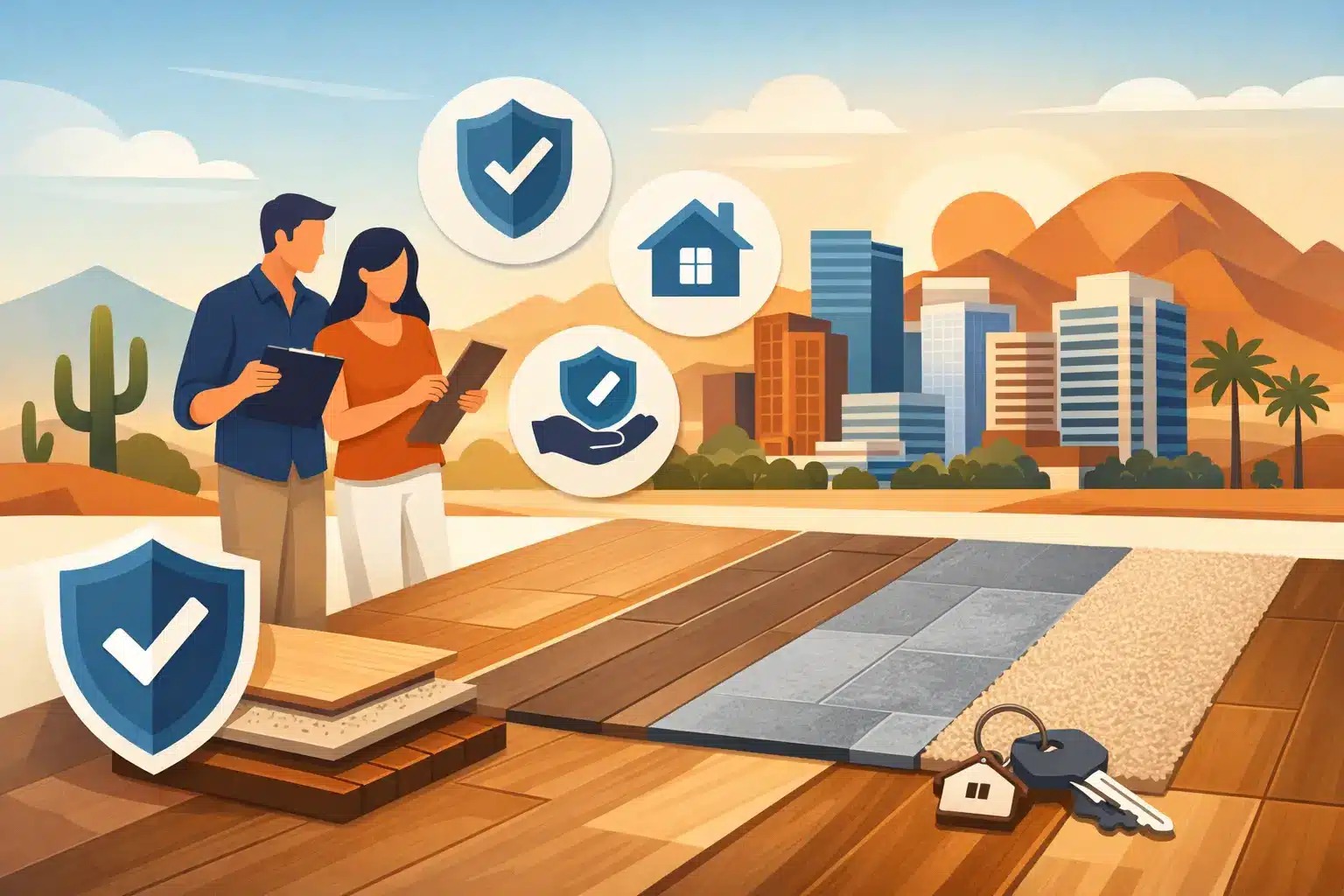
That is why many property owners choose to compare samples, wear ratings, and installation options before making a final call. A showroom appointment and a free in-home estimate can save money simply by narrowing the field to products that truly fit the property. Premium Carpet Tile Stone and Wood, LLC works with owners across Phoenix and the East Valley who need exactly that kind of practical guidance.
If you are planning your next turnover or renovation, think beyond price per square foot. The right floor should help the property work harder for you long after installation day.



Leave A Comment