
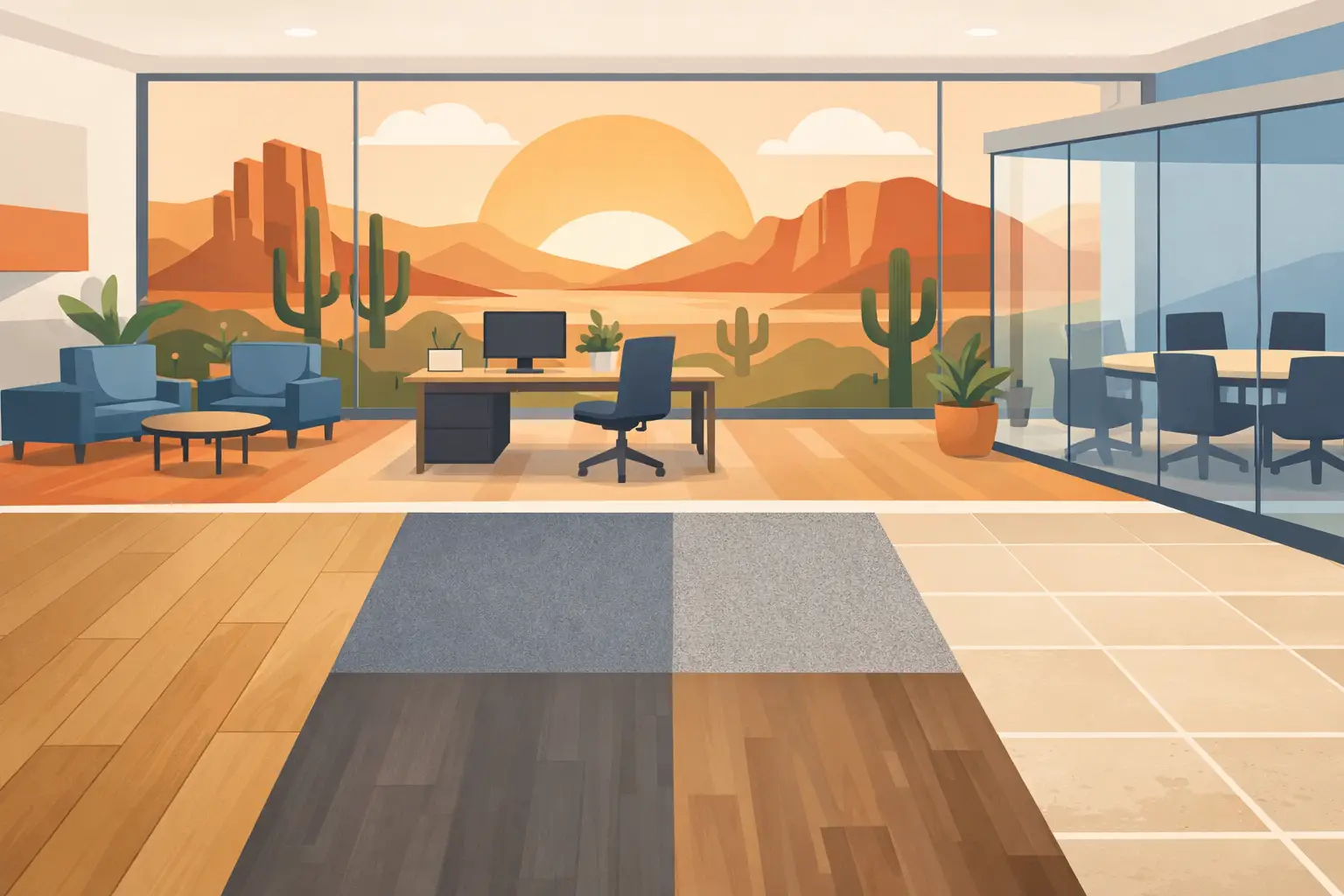
An office floor has to do more than look good in the lobby. It has to hold up to rolling chairs, constant foot traffic, spills, cleaning products, and the daily wear that comes with a busy workplace. That is why an office flooring options guide matters most at the start of the project, before you commit to a material that looks right in a sample but performs poorly after six months.
For Phoenix and East Valley businesses, the decision usually comes down to a few practical questions. How much traffic will the space handle? How quiet does it need to be? Will employees be on their feet all day? Does the office need a polished, client-facing appearance, or is durability the bigger priority? The right answer depends on the space, the budget, and how the office is actually used.
How to use this office flooring options guide
The best office flooring choice is rarely about one feature alone. A material that is easy to maintain may be louder underfoot. A floor that looks premium may require more care than a busy office manager wants to handle. In many projects, the smartest move is not choosing one material for the entire floor plan. It is combining products based on the needs of each area.
Reception areas, hallways, private offices, conference rooms, break rooms, and back-of-house workspaces all perform differently. That is why a one-size-fits-all recommendation usually falls short. A good flooring plan matches the material to the job.
Carpet tile for offices
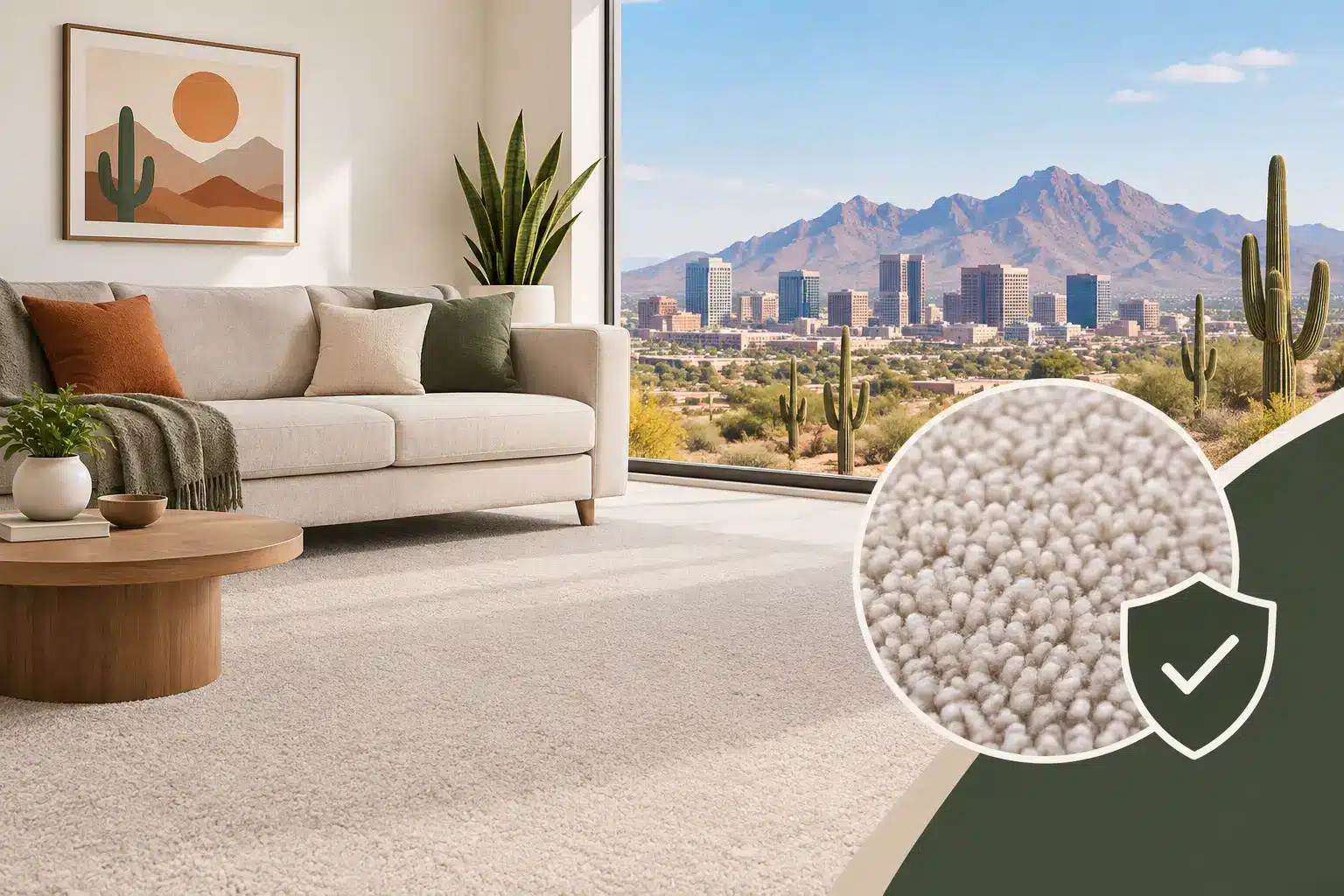
Carpet tile remains one of the most practical commercial flooring choices, especially in professional office environments. It helps control sound, adds comfort underfoot, and creates a more finished feel in private offices, conference rooms, and collaborative spaces. For businesses that want a clean, modern look without sacrificing function, carpet tile is often the first place to start.
One of its biggest advantages is replaceability. If one section gets stained or damaged, individual tiles can often be swapped out instead of replacing the entire floor. That matters in offices where coffee spills, tracked-in dirt, or heavy chair use can take a toll over time.
There are trade-offs. Carpet tile can hold dust and debris more than hard surfaces, so regular vacuuming is a must. In spaces like break rooms or entry points where moisture is common, it may not be the strongest standalone option. Still, for comfort, acoustics, and day-to-day practicality, carpet tile continues to be a strong fit for many office layouts.
Luxury vinyl plank and vinyl tile
Luxury vinyl plank, often called LVP, and commercial vinyl tile are some of the most versatile options in this office flooring options guide. They work well for businesses that want the visual appeal of wood or stone with easier maintenance and better moisture resistance.
In an office setting, vinyl performs well in corridors, open work areas, reception zones, and break rooms. It is generally easier to clean than carpet, and many products hold up well to foot traffic, furniture movement, and routine maintenance. For property owners managing tenant improvements or value-conscious renovations, vinyl often offers a strong balance of appearance and cost.
Not all vinyl products perform the same way, though. Wear layer, core construction, and installation method all matter. In a light-use office, an entry-level product may be enough. In a high-traffic commercial setting, a heavier-duty specification is the better long-term value. This is one area where expert guidance pays off, because choosing solely by color or price can lead to premature wear.
Tile flooring for office spaces
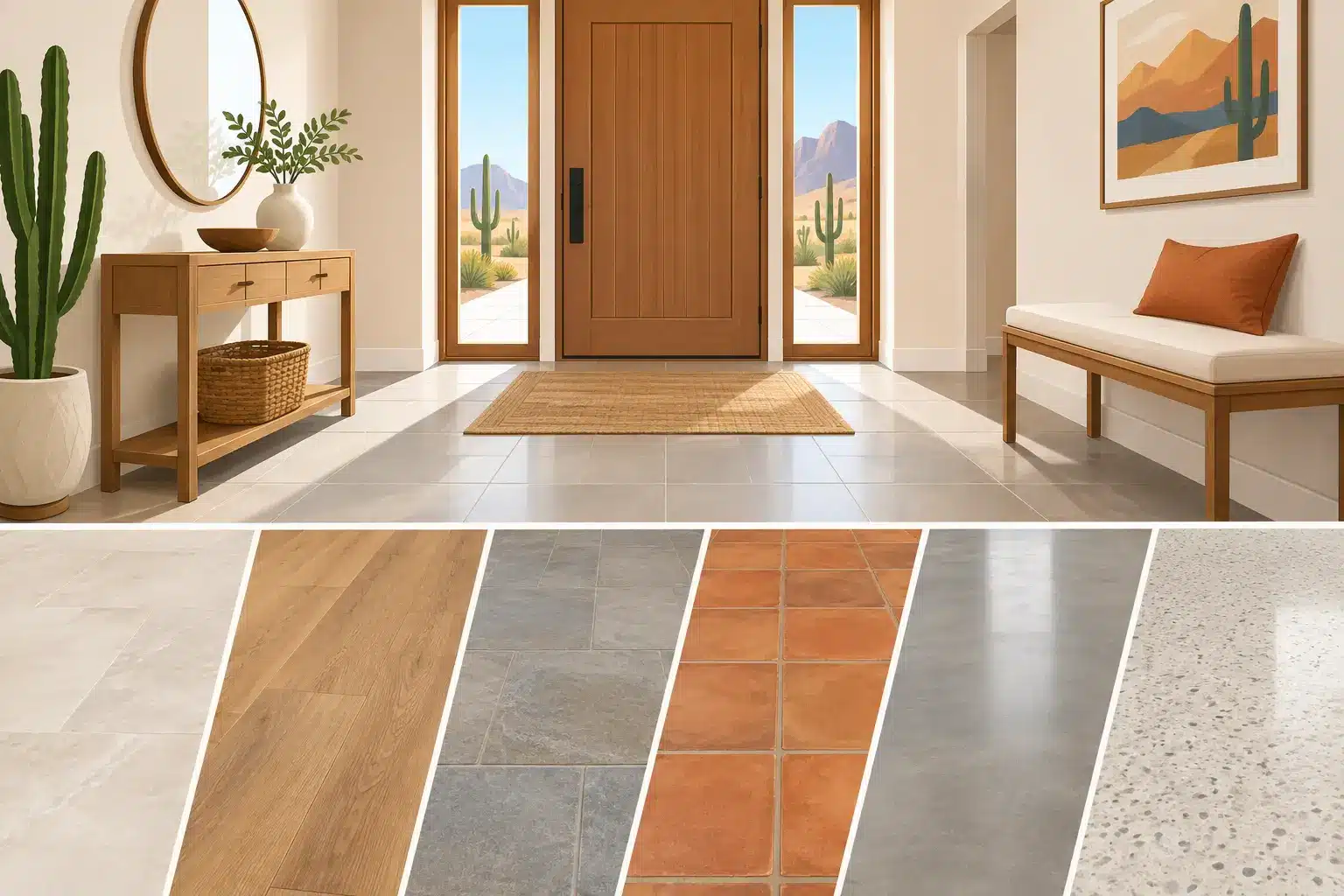
Tile is a dependable choice for offices that need maximum durability and easy cleanup. It is especially useful in entryways, restrooms, break rooms, and other areas where water, dirt, and heavy wear are part of normal use. In Arizona, tile also appeals to many buyers because it stays cooler underfoot and fits the regional design style.
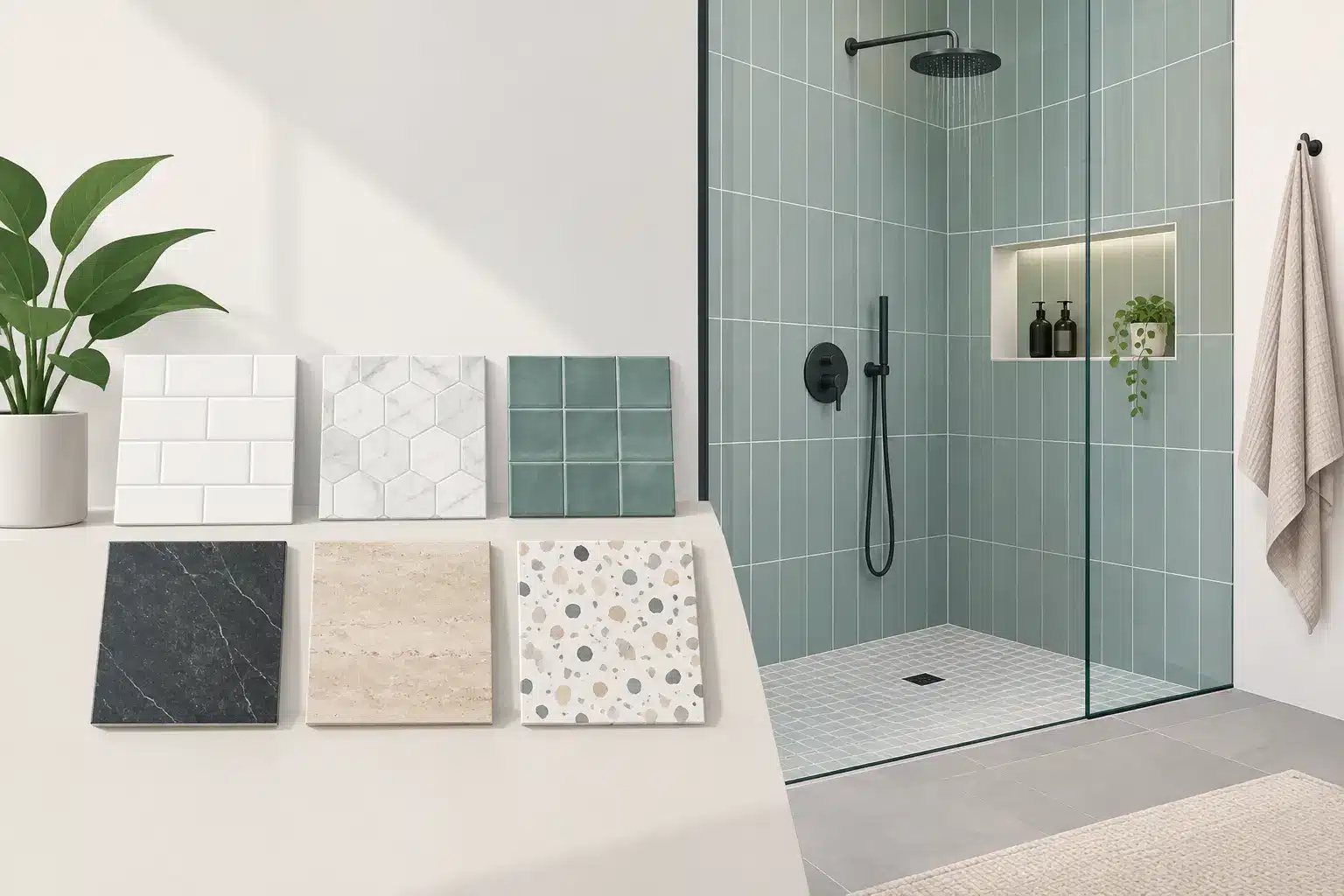
Porcelain tile is often the stronger commercial option because it is dense, durable, and available in a wide range of looks. It can mimic stone, concrete, or wood while offering excellent wear resistance. For offices that want a polished appearance with low ongoing maintenance, tile is hard to ignore.
The downside is comfort and sound. Tile is harder underfoot than carpet or vinyl, and it can make a space feel louder if used wall to wall. That does not mean it should be ruled out. It simply means it works best where durability matters most or where the design supports a harder surface.
Hardwood and engineered wood in office design
Wood flooring gives an office a warm, established look that many professional firms want. In executive offices, conference rooms, and client-facing areas, hardwood or engineered wood can create a strong first impression. It signals quality and tends to photograph well, which matters for businesses that care about branding and presentation.
Still, wood is usually a more selective choice for office use. Natural wood can scratch, show wear from rolling furniture, and react differently depending on moisture and maintenance. Engineered wood may offer better stability, but it still requires a level of care that some workplaces would rather avoid.
For that reason, wood often makes the most sense in lower-traffic spaces or as part of a mixed-material plan. It brings a premium look, but it is not always the best fit for every square foot.
What matters most when comparing office flooring options
Budget is always part of the decision, but installed value matters more than the sticker price alone. A cheaper product that wears out early or creates maintenance headaches can cost more over time. On the other hand, the most expensive material is not automatically the right investment if the office does not need that level of performance.
Durability should be measured against actual use. A professional office with mostly desk-based staff has different needs than a medical office, retail-adjacent space, or multi-tenant property with steady public traffic. The more realistic you are about how the floor will be used, the better the result.
Maintenance is another factor buyers sometimes underestimate. Smooth surfaces are easier for quick cleanup, but they may show dirt more quickly. Soft surfaces help with acoustics and comfort, but they require regular vacuuming and periodic deeper cleaning. Neither is better in every case. It depends on the staff, the schedule, and how the office is managed.
Appearance also plays a practical role. Flooring shapes how clients experience the space and how employees feel working in it. A law office, creative studio, medical practice, and property management office may all choose different materials for good reason. The floor should support the brand, not compete with it.
Best flooring by office area
If you are planning a full office update, it often helps to think in zones instead of categories. Reception areas need visual impact and durability. Hallways need wear resistance. Private offices may benefit from quieter, softer flooring. Break rooms and restrooms call for moisture-friendly materials.
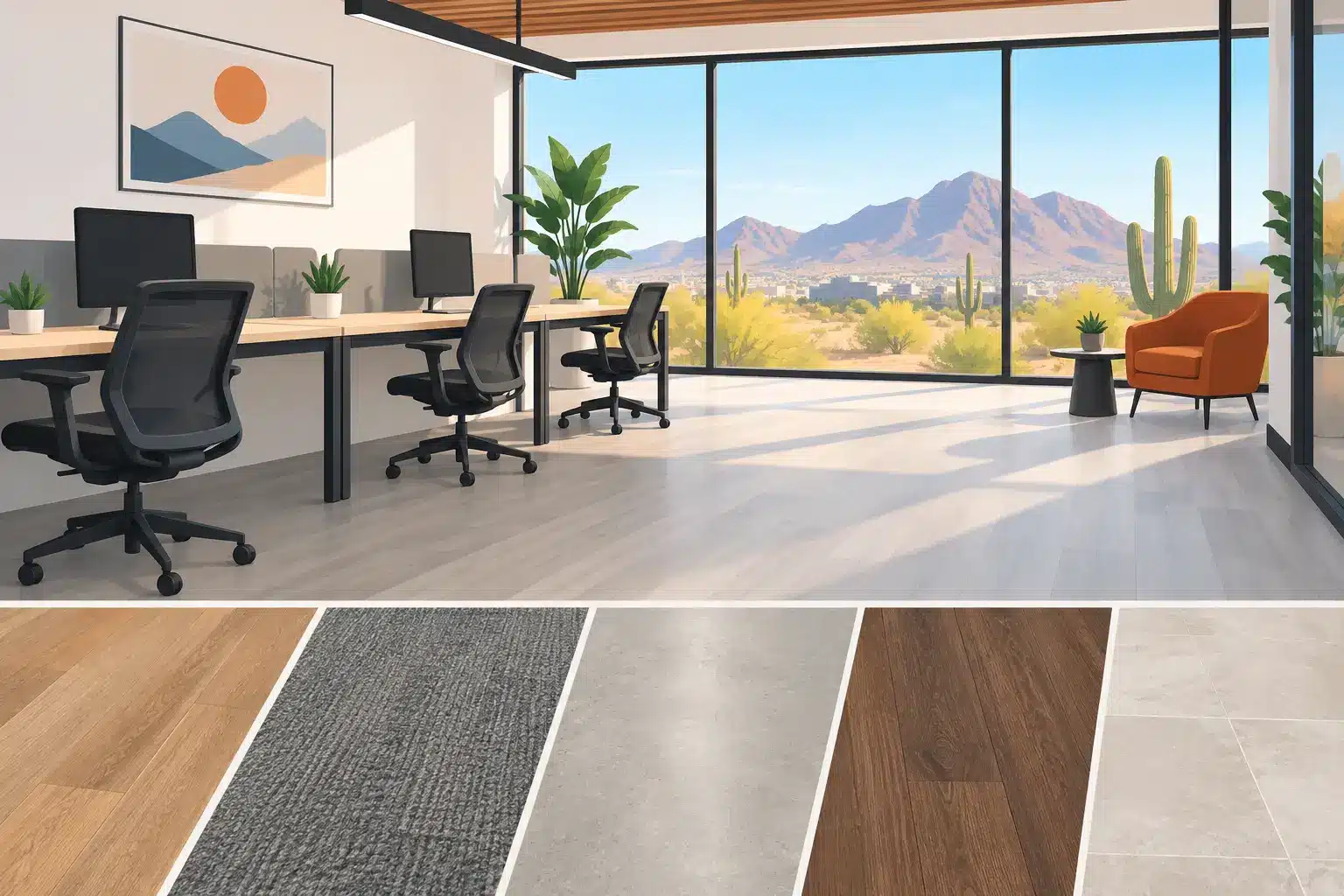
That is why many commercial projects combine carpet tile with vinyl or tile. You get softness and sound control where people work and gather, then add hard-surface performance where spills, dirt, and heavy traffic are more likely. This approach often gives business owners the best mix of function, design, and long-term value.
Installation matters as much as the product
Even the right flooring product can disappoint if it is installed poorly. Subfloor condition, layout planning, transitions between materials, and adhesive or underlayment choices all affect how the floor performs. In commercial spaces, timing matters too. Delays can interrupt business operations and create added costs.
That is why many buyers prefer working with a local flooring team that can guide product selection, provide a clear estimate, and coordinate installation with the realities of the space. Premium Carpet Tile Stone and Wood, LLC works with office buyers across Phoenix and the East Valley who want straightforward advice, competitive pricing, and flooring recommendations based on real project needs, not guesswork.
Choosing the right office flooring with confidence
The best office flooring is the one that fits how your space works every day. If comfort and acoustics come first, carpet tile may lead the way. If easy maintenance and durability are the priorities, vinyl or tile may be the better choice. If the goal is a more elevated, professional finish in select spaces, wood may have a place.
A good office floor should support your business for years, not just look good on installation day. When you compare materials honestly, consider trade-offs, and match products to each part of the office, the decision becomes much clearer. A well-chosen floor does not just finish the space. It helps the space work better.


Leave A Comment