

A laminate flooring review should answer more than whether a floor looks good in a sample. For Phoenix-area homeowners and property owners, the better question is whether it will handle daily traffic, dry conditions, pets, spills, and the expectations you have for the space. Laminate can be an excellent value when it is selected carefully and installed over a properly prepared subfloor.
It has come a long way from the shiny, repetitive styles many buyers remember. Current laminate flooring can closely resemble oak, hickory, maple, stone, and tile, with textured surfaces and wider planks that create a more natural look. Still, it is not the right choice for every room or every project. Knowing where laminate performs well, and where another material may be smarter, helps protect your investment.
What Laminate Flooring Is Made Of
Laminate is a layered flooring product. A durable wear layer protects the surface from everyday scuffs and scratches. Beneath that is a high-resolution decorative layer that gives the floor its wood or stone appearance. The core is typically a dense fiberboard material, and the backing layer helps support stability.
This construction is why laminate can deliver the appearance of hardwood at a more accessible price point. It is also why moisture deserves close attention. Unlike solid hardwood, laminate does not need to be refinished. Unlike many luxury vinyl products, however, its core can swell if standing water reaches the seams or edges.
Most modern products use a locking system that allows planks to float over an approved underlayment or prepared existing surface. The installation can move efficiently in the right conditions, but the preparation work is not optional. A floor that is uneven, damp, or poorly measured can lead to gaps, movement, noise, or premature wear.
Laminate Flooring Review: The Benefits
The strongest case for laminate is its balance of appearance, durability, and value. It is a practical option for homeowners updating several rooms, rental property owners seeking a clean and durable finish, and commercial buyers who need an attractive floor without the cost of natural hardwood.
High-quality laminate is especially good at resisting surface scratches from shoes, chairs, and normal household use. This makes it a worthwhile option for living rooms, hallways, bedrooms, dining areas, and busy family spaces. Many styles also have realistic grain patterns and embossed textures that make the design feel more convincing underfoot and from across the room.
Laminate is also easy to maintain. Routine sweeping or vacuuming with a hard-floor setting removes grit that can dull the finish over time. For cleaning, use a lightly damp microfiber mop and a manufacturer-approved laminate cleaner. The goal is to clean the surface without leaving excess water behind.
Cost is another advantage. Product pricing varies by thickness, wear rating, texture, edge detail, and water-resistance features, but laminate generally provides a lower upfront cost than many hardwood and stone options. It can give a home a coordinated, updated look while leaving more room in the project budget for installation, trim, or other remodeling priorities.
Where Laminate Has Limits
No honest laminate flooring review should treat water resistance and waterproof performance as the same thing. Some laminate products are designed to resist spills for a stated period when installed correctly. That can be useful in kitchens, entryways, and active households. It does not mean the floor should be routinely exposed to standing water, flooded, or steam-cleaned.
Bathrooms, laundry rooms, and areas with a known moisture risk require extra consideration. Depending on the product and the condition of the room, luxury vinyl plank or tile may be the better choice because it is typically more forgiving around water. A professional recommendation should account for the room’s use, the condition of the slab or subfloor, and the specific warranty requirements of the product.
Laminate can also produce a different sound and feel than hardwood. A quality underlayment and proper installation reduce hollow sounds, but a floating floor will not feel exactly like nailed-down wood. If you want the depth, repairability, and long-term refinishing potential of genuine hardwood, laminate is a different category with different expectations.
Direct sunlight is another consideration in Arizona homes. Good laminate products are designed for normal indoor light exposure, but intense sun can affect many flooring materials over time. Window coverings, UV-filtering glass, and careful product selection matter in rooms with large south- or west-facing windows.
Choosing the Right Laminate for Your Space
Start with the room, not the color. A low-traffic guest bedroom can accommodate many laminate options, while a main living area with children, pets, and frequent entertaining needs a more durable product with a stronger wear layer and realistic surface texture. Commercial spaces also need a product rated for the expected level of foot traffic.
Thickness can affect how substantial a floor feels and how well it handles minor subfloor variation, but thicker does not automatically mean better. The quality of the core, locking system, surface protection, and installation all matter. A dependable product from an established manufacturer is often a better investment than a bargain option with limited warranty coverage or an uncertain replacement match.
Color deserves practical thought as well. Light natural oak looks clean and open, while medium tones often hide dust and everyday debris more easily. Very dark floors can show pet hair, footprints, and dry Arizona dust more quickly. In a busy household, a textured matte finish is often easier to live with than a high-gloss surface.
Before making a final selection, take samples home and view them at different times of day. Showroom lighting is helpful, but it cannot fully replicate your wall colors, cabinet finishes, natural light, and furniture. This simple step prevents many color surprises after installation.
Installation Makes the Difference
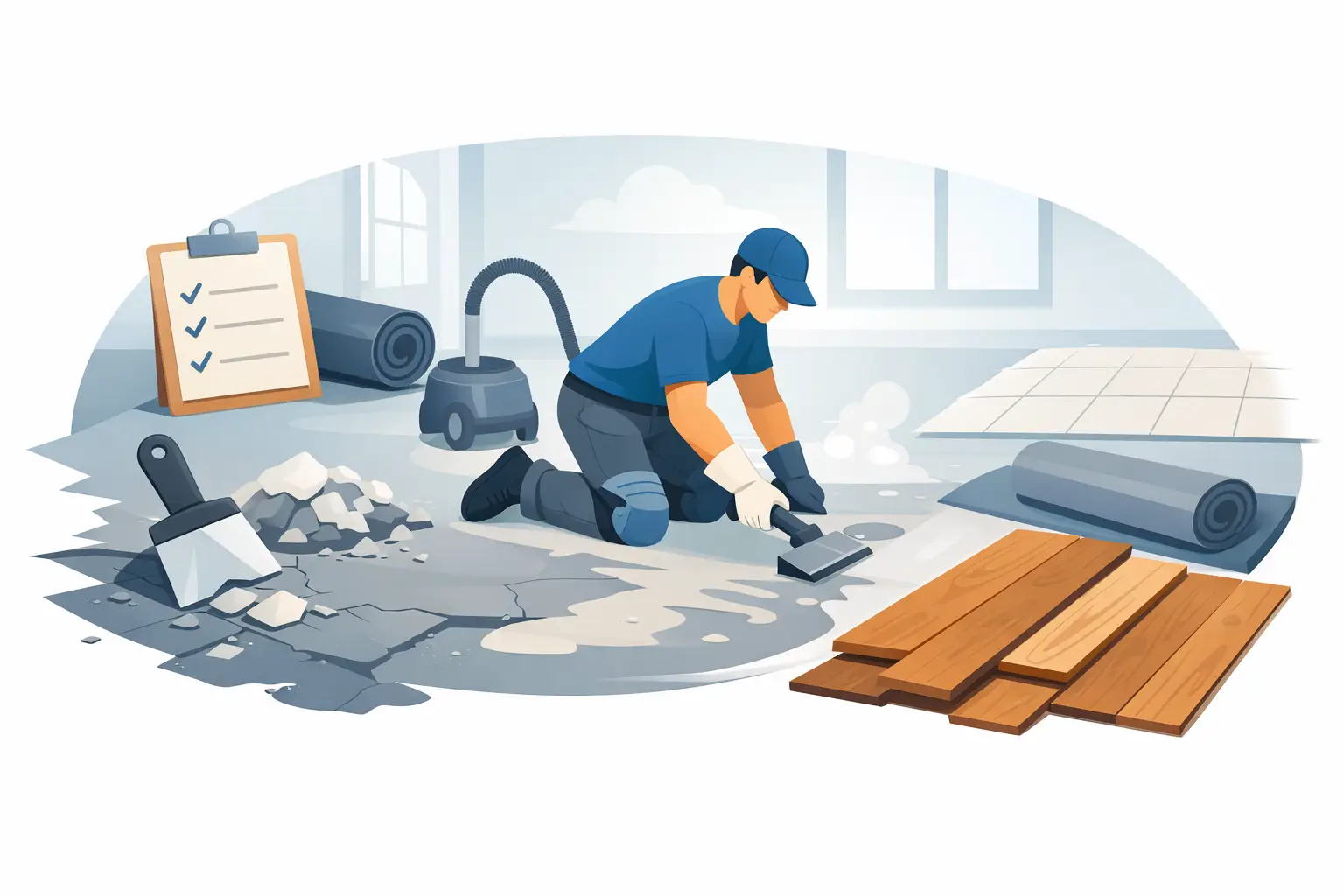
Laminate is often described as easy to install, but a successful floor depends on details that are easy to overlook. The subfloor must be flat, clean, dry, and suitable for the product. On concrete slabs common in the Phoenix area, moisture testing and the correct vapor protection can be essential. Skipping these steps can put the flooring and its warranty at risk.
Proper expansion space is also necessary. Laminate expands and contracts with changes in temperature and humidity, so installers leave room at walls, doorways, and fixed objects. Baseboards, shoe molding, or transitions cover those spaces while allowing the floor to move as designed.
Door jambs, appliances, stairs, existing floor height, and transitions into adjacent rooms all need a plan before installation begins. Professional installation is particularly valuable for larger open areas, multi-room projects, and homes with uneven slabs. It helps ensure the finished floor looks intentional rather than improvised.
Is Laminate a Good Value?
Laminate is a good value when its strengths match your needs. It works well for buyers who want a durable, attractive floor with wood-inspired style and manageable maintenance. It can be a strong option for whole-home updates, bedrooms, family rooms, offices, rental properties, and light commercial applications.
It may not be the best fit when frequent moisture exposure is likely, when you want a floor that can be refinished, or when a solid, attached-underfoot feel is a top priority. In those cases, luxury vinyl, engineered hardwood, porcelain tile, or natural stone may serve the space better.
The best comparison is not simply laminate versus hardwood or laminate versus vinyl. It is the product, installation method, room conditions, and your day-to-day lifestyle working together. A less expensive floor that needs early replacement is rarely a bargain, while a well-chosen laminate floor can provide years of reliable performance.
For homeowners and commercial buyers who want to compare real samples, Premium Carpet Tile Stone and Wood can help narrow the choices based on your budget, traffic level, design goals, and installation requirements. A free in-home estimate is a practical way to evaluate the space before committing to a product. The right floor should fit the way you use the room, not just the way it looks on a display board.





Leave A Comment