

A worn path from the front door to the living room, a busy office corridor, and a guest room that gets occasional use do not need the same flooring solution. When considering carpet tile compared with broadloom, the better choice comes down to how the room is used, how much flexibility you need, and what you expect from your investment over time.
Both options can provide warmth, sound control, and a finished look that hard-surface flooring cannot always match. The difference is in the format. Broadloom is traditional wall-to-wall carpet installed in one continuous roll. Carpet tile is modular carpet, commonly sold in squares or planks, that is installed piece by piece. Each has clear advantages, and an experienced flooring professional can help match the product to your home, rental property, or commercial space.
Carpet Tile Compared With Broadloom: The Main Difference
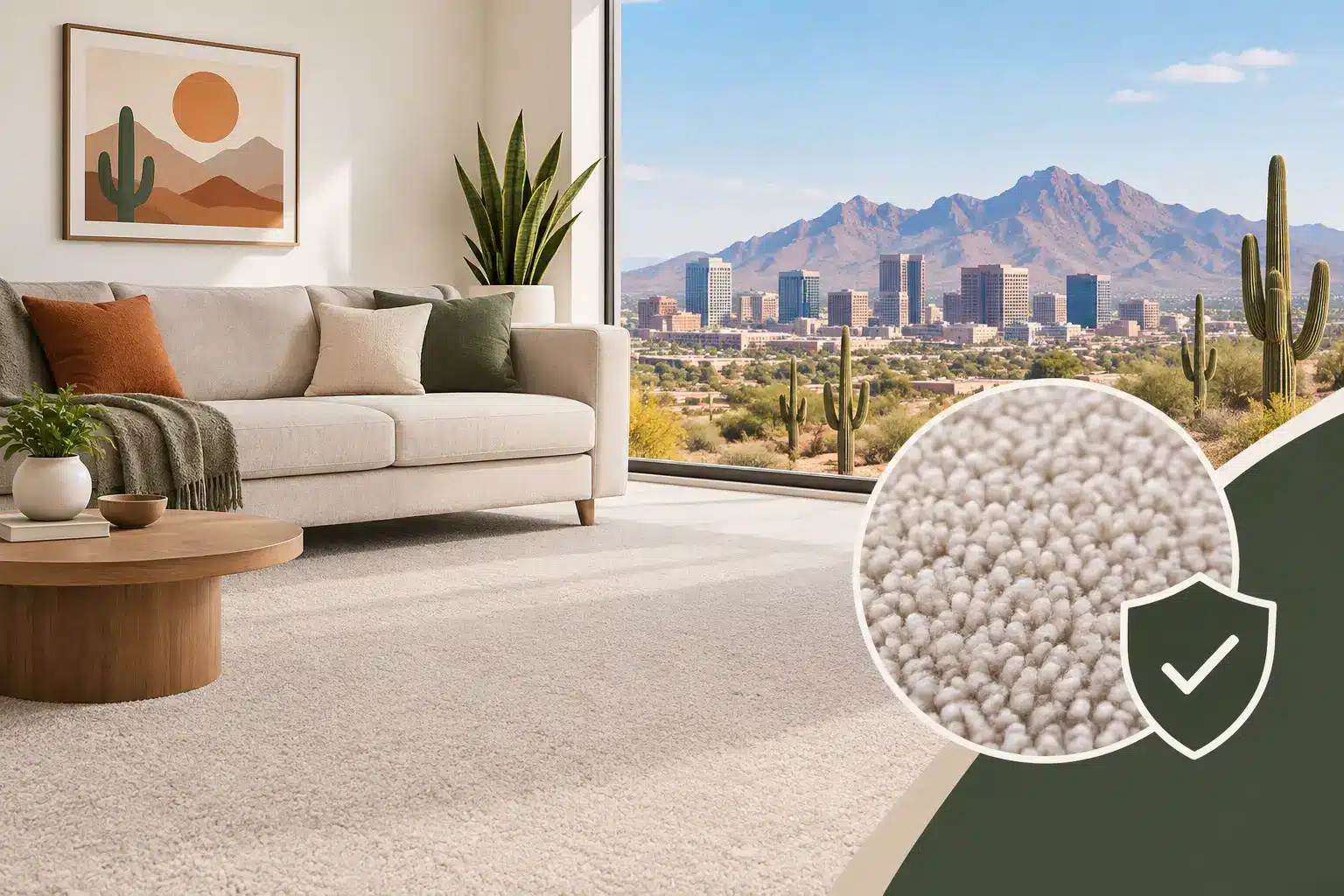
Broadloom carpet is typically chosen for its continuous appearance and soft, comfortable feel. It is available in a wide range of textures, colors, patterns, and fiber types. For bedrooms, formal living areas, and other spaces where a plush, unified look matters most, broadloom remains a popular choice.
Carpet tile is designed around flexibility. Individual tiles can be arranged in a single color, mixed with coordinating shades, or laid in different directions for a custom pattern. If one section becomes stained or damaged, the affected tile can often be replaced without removing the entire floor. That is a practical advantage in offices, retail spaces, hallways, rental units, playrooms, and other areas with regular traffic.
The right comparison is not simply tile versus roll carpet. It is continuous comfort and visual softness versus modular performance and targeted repair.
Comfort and Appearance
Broadloom usually has the edge when your priority is a traditional, residential carpet feel. A quality pad beneath broadloom adds cushioning underfoot and can make a bedroom or family room noticeably more comfortable. There are no repeating seams between modules, so the finished floor reads as one uninterrupted surface.
That does not mean carpet tile has to look commercial. Many current carpet tile styles offer refined patterns, tailored textures, and neutral color palettes that work well in contemporary homes. Carpet planks can create a more linear appearance, while square tiles can produce subtle movement through alternating installation directions.
Still, carpet tile has visible joints when viewed closely, and its construction is generally firmer than broadloom with a premium pad. In a quiet primary bedroom or a formal space where softness is the main goal, broadloom is often the better fit. In a home office, media room, basement, or high-use family area, the more structured feel of carpet tile may be a reasonable trade-off for easier upkeep.
Maintenance, Stains, and Replacement
This is where carpet tile often stands apart. A spill on broadloom may be removable with prompt cleaning, but permanent staining, burns, pet damage, or wear in one concentrated area can create a larger repair challenge. Depending on the carpet and where the damage is located, a professional may be able to patch it. A patch, however, can be difficult to blend if the original carpet has faded or is no longer available.
With carpet tile, replacement is more direct. Keeping a small number of extra tiles after installation gives you a matching material for future repairs. If a tile is badly stained, it can be lifted and replaced while the rest of the floor stays in place. For a rental property, office, daycare, or busy household with pets and children, that can reduce disruption and avoid replacing carpet before the rest of the floor is worn out.
Broadloom is not high-maintenance by default. Regular vacuuming, immediate attention to spills, and periodic professional cleaning can extend its life considerably. The key is to choose the right fiber and construction for the room. A soft, high-pile carpet may feel excellent underfoot but show traffic patterns sooner than a denser, lower-profile option.
Cost Depends on More Than the Price Per Square Foot
A broadloom quote may look less expensive at first, especially for a straightforward residential room. But comparing only material pricing can be misleading. Broadloom installation can involve carpet pad, tack strips, seams, transitions, furniture moving, and waste from cutting a roll to fit the room.
Carpet tile may carry a higher material cost for some styles, but its modular size can reduce waste in rooms with many corners or unusual layouts. Certain products also install without a traditional pad, which changes the overall project cost and floor height. In commercial projects, carpet tile may offer long-term value because individual tiles can be replaced instead of replacing the entire carpeted area.
There is no universal winner on price. A small, rectangular bedroom may favor broadloom. A suite of offices with corridors, workstations, and frequent furniture changes may favor carpet tile. The best way to compare costs is to review the full installed estimate, including preparation, removal of existing flooring, transitions, underlayment or adhesive requirements, and expected maintenance needs.
Installation and Subfloor Conditions
Broadloom installation requires accurate measuring, careful seaming, stretching, and trimming. Professional installation matters because poor stretching can lead to wrinkles, loose edges, and premature wear. The subfloor must be clean, dry, and reasonably level, while the chosen pad should support the carpet’s performance rather than work against it.
Carpet tile installation also requires preparation, particularly when tiles are adhered directly to the floor or installed with a pressure-sensitive system. The floor needs to be smooth and clean so the tiles sit flat and stay secure. Pattern alignment is another consideration. A skilled installer plans the layout so cuts at walls look balanced and the overall design remains consistent.
For Phoenix and East Valley properties, indoor climate control and moisture conditions still deserve attention. Carpet is installed inside conditioned spaces, but concrete slabs, prior water events, and moisture vapor concerns should be evaluated before any flooring is selected. Addressing a subfloor issue first protects either type of carpet from avoidable problems later.
Where Each Option Works Best
Broadloom is often a strong choice for bedrooms, living rooms, stairs, and low-to-moderate traffic residential areas where comfort and a cohesive appearance are the priority. It is also well suited to homeowners who want a wide choice of plush styles and prefer the feel of carpet over a thick pad.
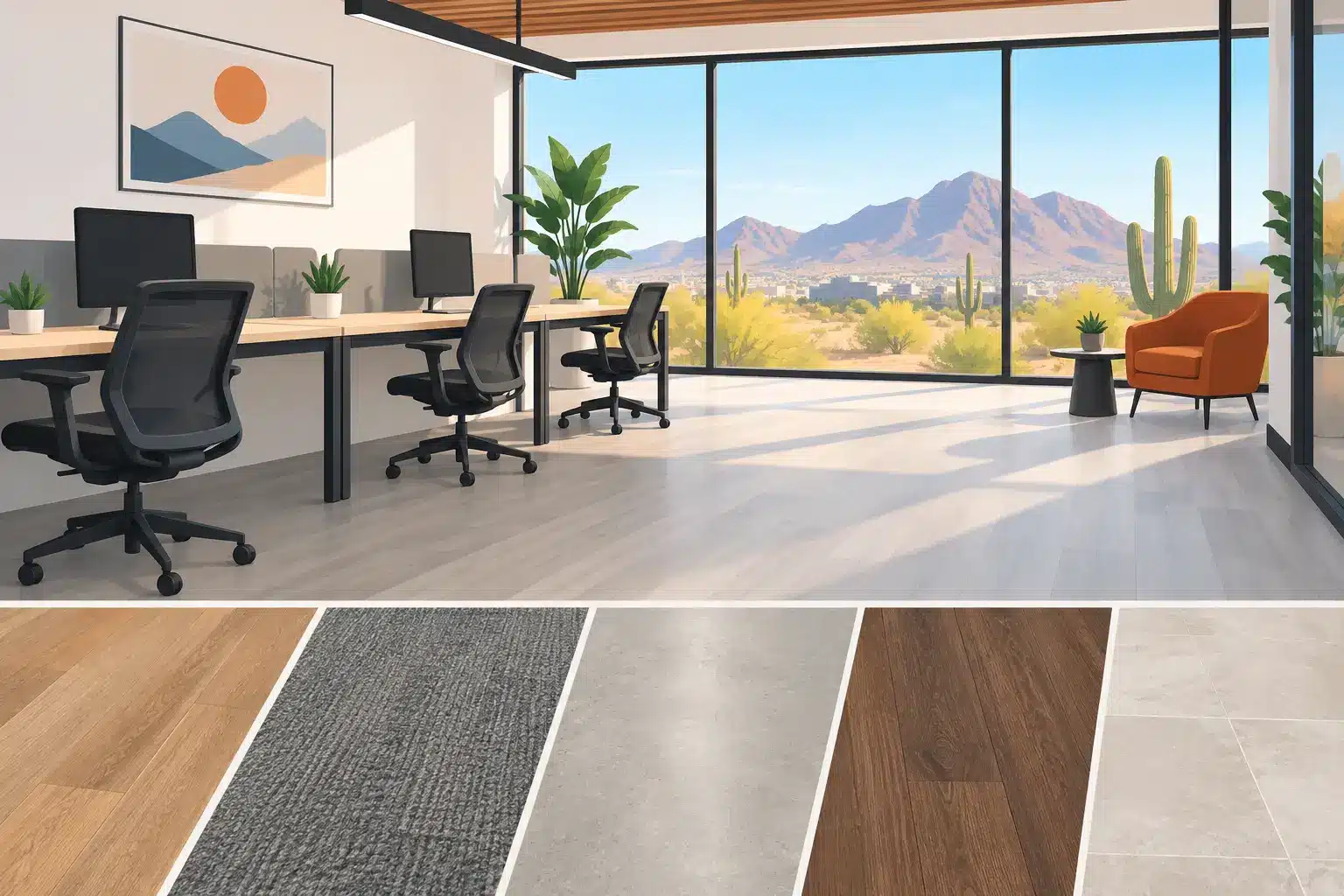
Carpet tile is especially practical in offices, medical or professional spaces, retail areas, classrooms, multifamily common areas, and rental properties. It also makes sense in home offices, playrooms, finished basements, and rooms where pets, kids, rolling chairs, or frequent gatherings create a higher risk of isolated damage.
For commercial buyers, acoustics can be a deciding factor. Both carpet types help reduce footfall and absorb sound, but carpet tile gives designers and facility managers a way to define zones, create directional patterns, or replace high-wear sections near entrances and work areas.
Questions to Ask Before Choosing
Before selecting a carpet style, consider the people using the room and the conditions the floor will face. A few practical questions can make the choice clearer:
- Is this a comfort-first room, or does it need to handle daily traffic and occasional spills?
- Would replacing one damaged section be valuable, especially in a rental or business setting?
- Do you want a soft, uninterrupted wall-to-wall appearance or a tailored, patterned design?
- What does the complete installation estimate include, beyond the material itself?
Samples are especially helpful here. Looking at color and texture under your home’s lighting, then feeling the material underfoot, often reveals more than a product photo can. A free in-home estimate can also identify measuring, subfloor, and transition details that affect the final recommendation.
Premium Carpet Tile Stone and Wood, LLC helps Phoenix-area homeowners and commercial buyers compare flooring choices with the full project in mind, including product performance, wholesale value, and professional installation requirements. The most satisfying carpet choice is rarely the one that simply looks best in a showroom. It is the one that fits the room’s daily demands and still feels like the right decision years from now.



Leave A Comment