
A low price on the showroom floor does not always mean a low-cost flooring project. For Phoenix-area homeowners, property managers, and business owners, the best affordable flooring materials are the ones that fit the room, hold up to daily use, and avoid expensive replacement sooner than expected. Material price matters, but so do preparation, installation, maintenance, and the demands of Arizona heat.
The right choice depends on how the space is used. A busy family room, a rental property, a medical office, and a guest bedroom may all need different flooring – even when the goal is the same: dependable value. Looking at the full picture helps you spend wisely without settling for a floor that disappoints after a few years.
What Makes Flooring Truly Affordable?
Affordable does not have to mean the least expensive product available. A better definition is flooring that delivers the right balance of upfront price, service life, appearance, and maintenance for the project.
For example, a basic carpet may have a lower initial price than porcelain tile. However, tile can be the better long-term value in a high-traffic entry, kitchen, or commercial setting because it handles wear, spills, and frequent cleaning exceptionally well. On the other hand, installing tile in a lightly used bedroom may not be the most practical place to put the budget.
Installation is another part of the equation. A floor can only perform as well as the surface beneath it. Removing old flooring, leveling a subfloor, repairing concrete, moving furniture, and selecting the correct underlayment can affect the final investment. An accurate in-home estimate is often the best way to compare options without surprises.
Affordable Flooring Materials for Phoenix Properties
Luxury Vinyl Plank and Luxury Vinyl Tile
Luxury vinyl plank, often called LVP, is one of the most popular value choices for homes, rentals, and many commercial spaces. It offers the look of wood or stone in a product that is generally more water resistant, easier to maintain, and less costly than many natural materials.
LVP works especially well in living areas, hallways, bedrooms, kitchens, and rental units where a consistent look throughout the property is a priority. Luxury vinyl tile provides similar practical benefits with stone- and tile-inspired visuals. Both can be comfortable underfoot and quieter than hard tile, depending on the product and installation method.
Not all vinyl flooring is equal. Wear-layer thickness, core construction, locking system, and warranty can make a major difference in performance. A lower-priced option may be appropriate for a short-term rental refresh or low-traffic room, while an active household with pets and children may benefit from stepping up to a more durable product. It is also wise to choose flooring made for interior temperature conditions and follow installation requirements carefully in Arizona homes.
Ceramic and Porcelain Tile
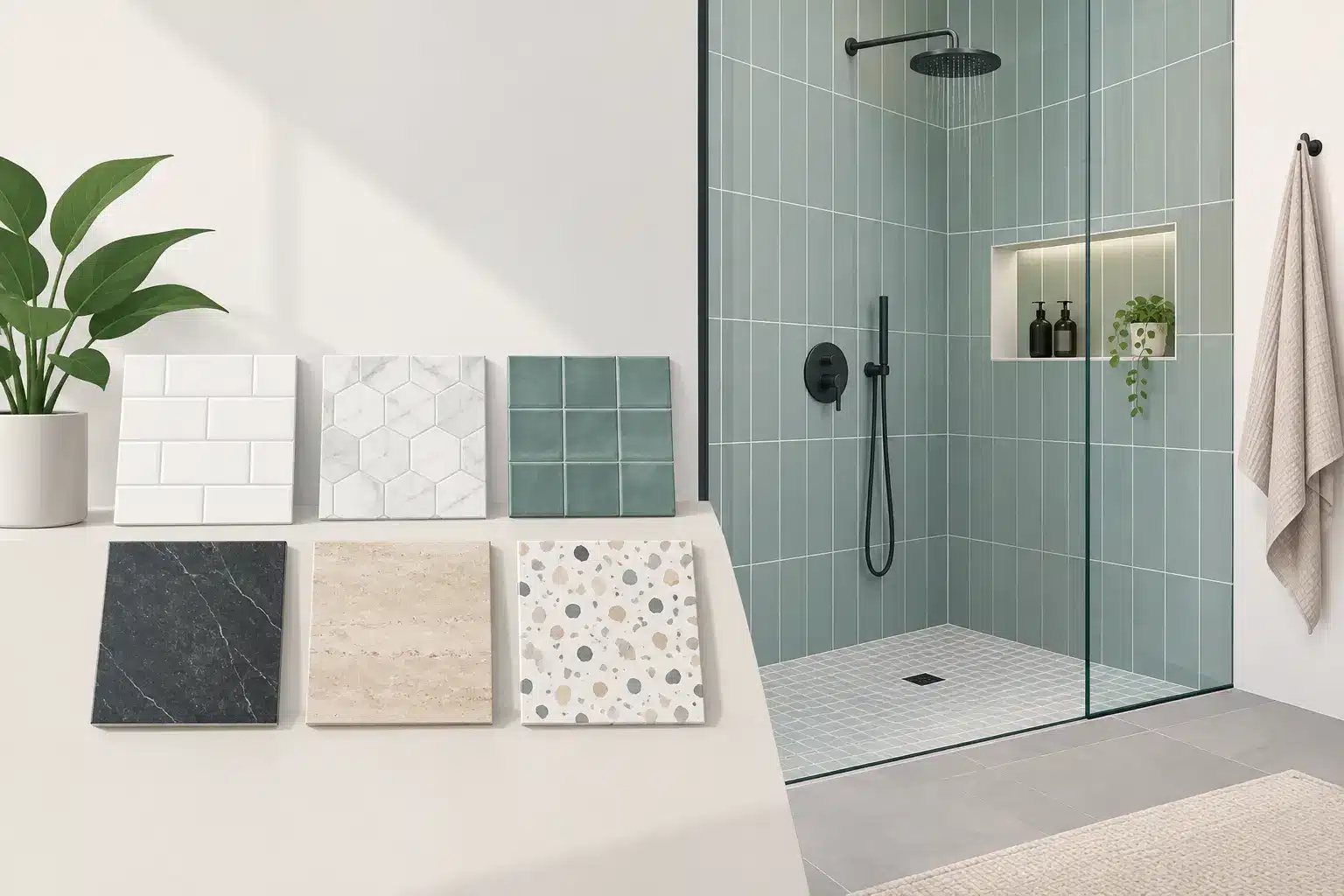
Tile remains a strong investment in the East Valley because it stands up well to heat, heavy foot traffic, moisture, and routine cleaning. Ceramic tile can be a cost-conscious choice for many rooms, while porcelain typically offers greater density and durability. Both are available in a wide range of colors, sizes, and wood-look or stone-look designs.
The trade-off is installation cost. Tile installation is detail-oriented and often requires more labor, surface preparation, and time than floating vinyl or carpet. Yet when properly installed, tile can provide decades of service. That makes it particularly appealing for kitchens, bathrooms, entries, laundry rooms, restaurants, offices, and properties where long-term durability is more valuable than the lowest upfront number.
To keep a tile project within budget, consider standard sizes, readily available styles, and straightforward layouts. Large-format tile, detailed patterns, specialty trims, and extensive demolition can add cost. A skilled flooring professional can help identify where a simpler selection makes sense and where investing a little more will improve the finished result.
Carpet and Carpet Remnants
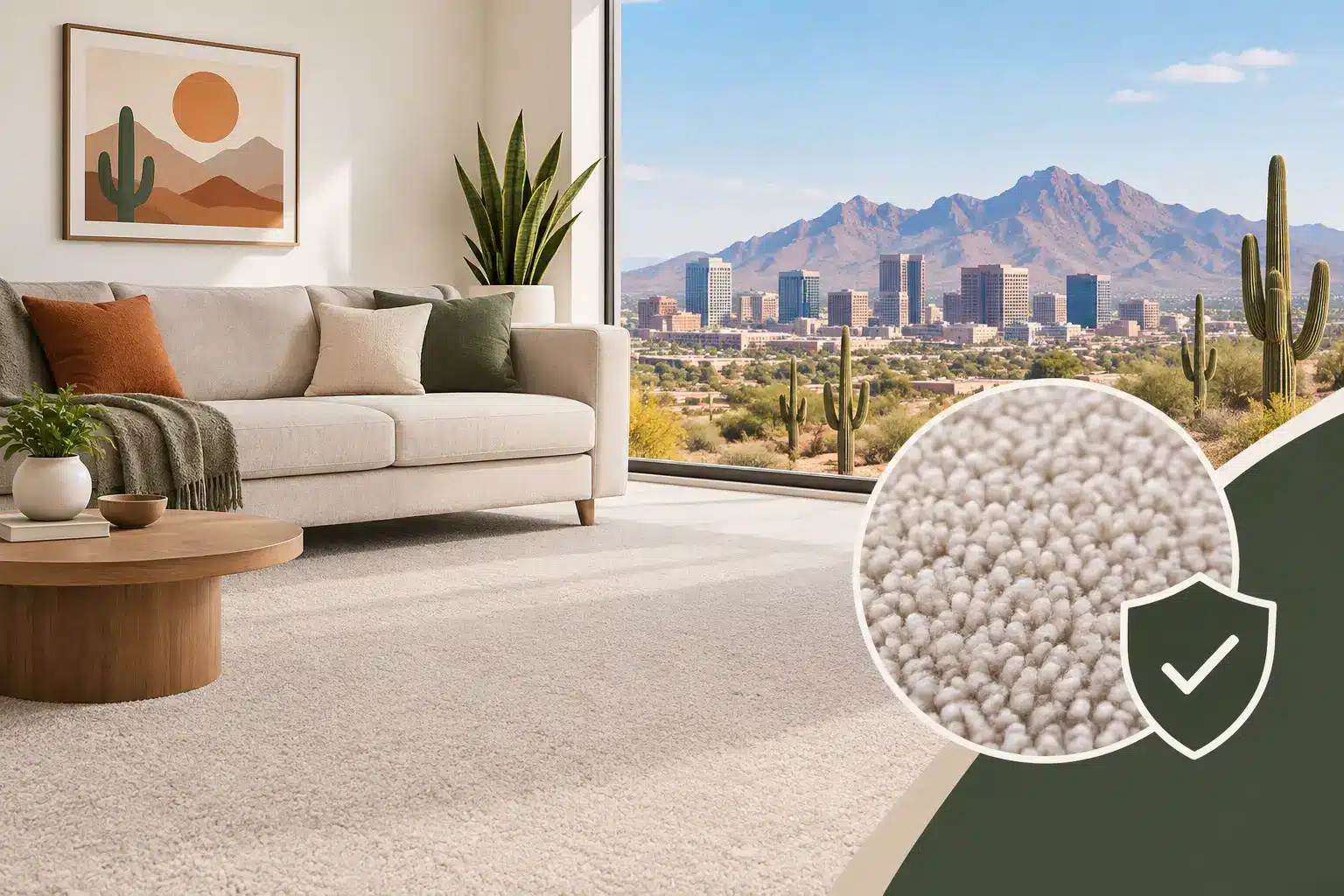
Carpet is still one of the most budget-friendly ways to make bedrooms, family rooms, offices, and multi-unit spaces feel more comfortable. It adds warmth, absorbs sound, and provides a softer surface underfoot than hard flooring. For homeowners preparing a house for sale or landlords turning over a rental, carpet can offer a quick visual improvement at a manageable price.
The most affordable carpet is not always the right carpet. Fiber type, face weight, density, and padding all influence how well it resists crushing, staining, and traffic patterns. In an active household, quality padding is not an extra to overlook. It supports comfort and can help carpet wear more evenly.
Carpet remnants can provide exceptional value for smaller rooms, closets, offices, and staged spaces. Because remnants are limited to the available size and style, they are not ideal for every project. When the dimensions work, though, they can be a practical way to purchase quality carpet at a reduced cost.
Sheet Vinyl
Sheet vinyl is a sensible option when the priority is straightforward affordability and easy cleanup. It is commonly used in laundry rooms, utility areas, bathrooms, break rooms, and budget-conscious rental projects. Fewer seams can be helpful in areas exposed to occasional water.
Its design selection and long-term feel underfoot may not suit every homeowner, especially when the goal is a premium wood-look living area. Still, a well-chosen sheet vinyl can be a reliable solution in the right room. It is a good reminder that matching the material to the job matters more than following trends.
Laminate Flooring
Laminate can offer convincing wood visuals at a competitive price, and many current products are more durable than older laminate floors. It can be a good fit for bedrooms, living rooms, and other dry areas where scratch resistance and appearance are priorities.
Water resistance varies widely. Some laminate products are designed to manage everyday spills, while others are less forgiving around pet accidents, wet mopping, or plumbing leaks. For kitchens, bathrooms, or ground-level spaces with moisture concerns, luxury vinyl or tile may be the safer value choice. Asking about the product’s moisture rating before making a decision is worthwhile.
Choose by Room, Not Just by Price
A practical flooring plan often uses more than one material. Tile may make sense in wet areas and high-traffic entries, while carpet brings comfort to bedrooms. LVP can create a durable, unified look through main living spaces. This approach can protect the budget while giving each room the performance it needs.
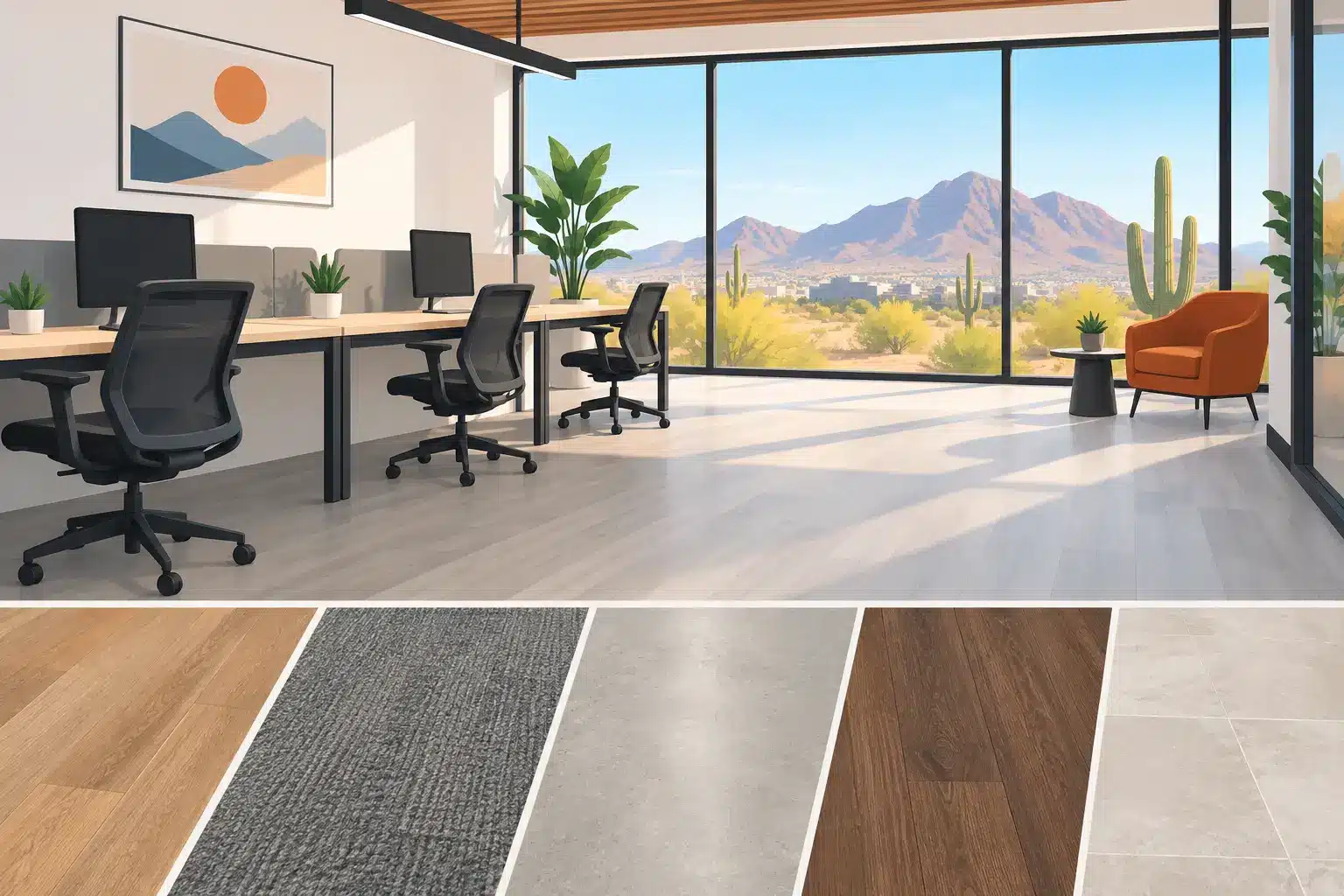
Commercial buyers should also consider maintenance routines. A floor that looks good but requires special cleaning or frequent repairs can become expensive over time. Durable vinyl, commercial carpet tile, and porcelain tile are often worth comparing for offices, retail spaces, medical environments, and rental common areas because they are designed around real-world traffic and upkeep.
Where Not to Cut Costs
There are places to save, and there are places where a lower price can create a larger problem. Subfloor preparation, moisture testing when needed, proper adhesives, transitions, and professional installation should be treated as part of the flooring system. Skipping these details can lead to movement, gaps, uneven surfaces, premature wear, or manufacturer warranty issues.
It is also worth considering color and pattern carefully. Extremely light floors can show dirt quickly, while very dark colors may reveal dust and pet hair. A mid-tone pattern, textured finish, or realistic wood-grain visual can be more forgiving in busy Phoenix homes. The right style can reduce the time spent cleaning while keeping the floor looking better between maintenance visits.
Get a Clear Comparison Before You Buy
When comparing quotes, make sure each proposal covers the same scope: product, pad or underlayment, removal, floor preparation, installation, trim, transitions, and haul-away if needed. A lower quote may reflect fewer included services rather than a better value.
At Premium Carpet Tile Stone and Wood, LLC, customers can compare flooring samples, discuss how a space is used, and receive guidance based on budget and performance needs. With more than 30 years serving the local market, the goal is not to steer every customer to the highest-priced floor. It is to help them choose a material they can feel confident living or working on.
The best next step is simple: bring room measurements, photos, and a realistic budget to a flooring conversation. Once the use of the space is clear, it becomes much easier to find a floor that looks right, performs well, and respects the investment behind it.



Leave A Comment