
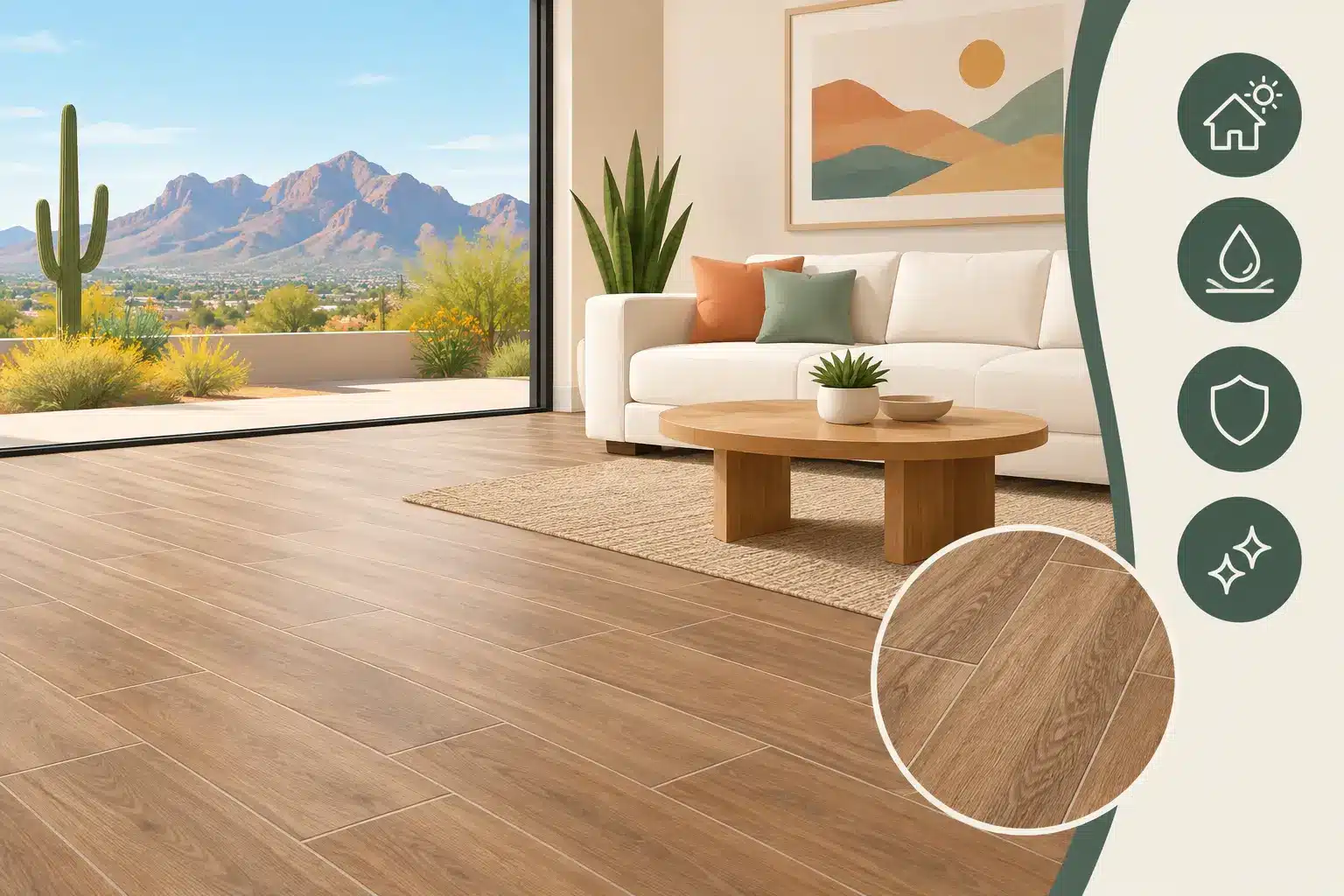
A floor has to handle more in Phoenix than it might in a mild-climate home. Dust, pool traffic, pets, busy kitchens, and bright natural light all put materials to the test. That is where wood look tile benefits become especially practical: you can bring the warmth and character of wood into high-use spaces without asking a natural wood floor to do a job it was never designed to do.
Modern wood look tile has moved well beyond basic imitation. Quality porcelain and ceramic options offer convincing grain patterns, natural color variation, and plank formats that complement everything from a clean contemporary remodel to a more traditional Arizona home. The right product still depends on the room, the subfloor, and your expectations, but wood look tile deserves a close look when durability and low-maintenance style are priorities.
Wood Look Tile Benefits That Matter Every Day
The strongest reason to choose wood look tile is that it combines a familiar design with the practical performance of tile. It gives homeowners and property owners more flexibility in places where solid hardwood can be a higher-risk choice.
It stands up to moisture and everyday spills
Kitchens, bathrooms, laundry rooms, entryways, and pool-adjacent living spaces all see moisture. A properly installed wood look porcelain tile floor is not damaged by a dropped glass of water, wet shoes, or a pet bowl spill the way wood flooring can be. The tile itself resists water, although grout joints still need appropriate care and cleaning.
This does not mean every tile installation is automatically right for every wet area. Shower floors, exterior patios, and commercial entryways need products selected for their specific conditions, including slip resistance and moisture exposure. For most interior rooms, however, wood look tile provides valuable peace of mind for active households.
It handles Arizona heat and sun well
Direct sunlight can be hard on many flooring finishes over time. Tile is a stable material for sunny rooms and can be a sensible choice near large windows, patio doors, and bright open living areas. It also feels naturally cooler underfoot, a feature many Arizona homeowners appreciate during warmer months.
Color selection still matters. Very dark planks can show dust more readily, while extremely light colors may highlight certain stains or grout lines. A flooring professional can help you compare samples in your own lighting before you commit to a full room.
It offers a durable surface for busy homes
Porcelain wood look tile is known for its strength and scratch resistance. That makes it well suited to homes with dogs, children, frequent visitors, or furniture that gets moved regularly. It is also a practical material for rental properties and many commercial environments where owners want a polished appearance without constant refinishing or replacement concerns.
No floor is completely maintenance-free. Heavy impacts can chip tile, and dragging metal furniture can damage almost any surface. Still, compared with many wood products, tile generally requires less worry about claw marks, dents, and routine wear in busy areas.
It delivers wood-inspired design without wood-only limitations
Homeowners often want the long-plank appearance and visual warmth associated with hardwood, but they may not want wood in a bathroom or throughout an open floor plan. Wood look tile makes that consistent design possible. The same visual style can continue from a living room into the kitchen, hall, laundry room, or powder room without an abrupt material change.
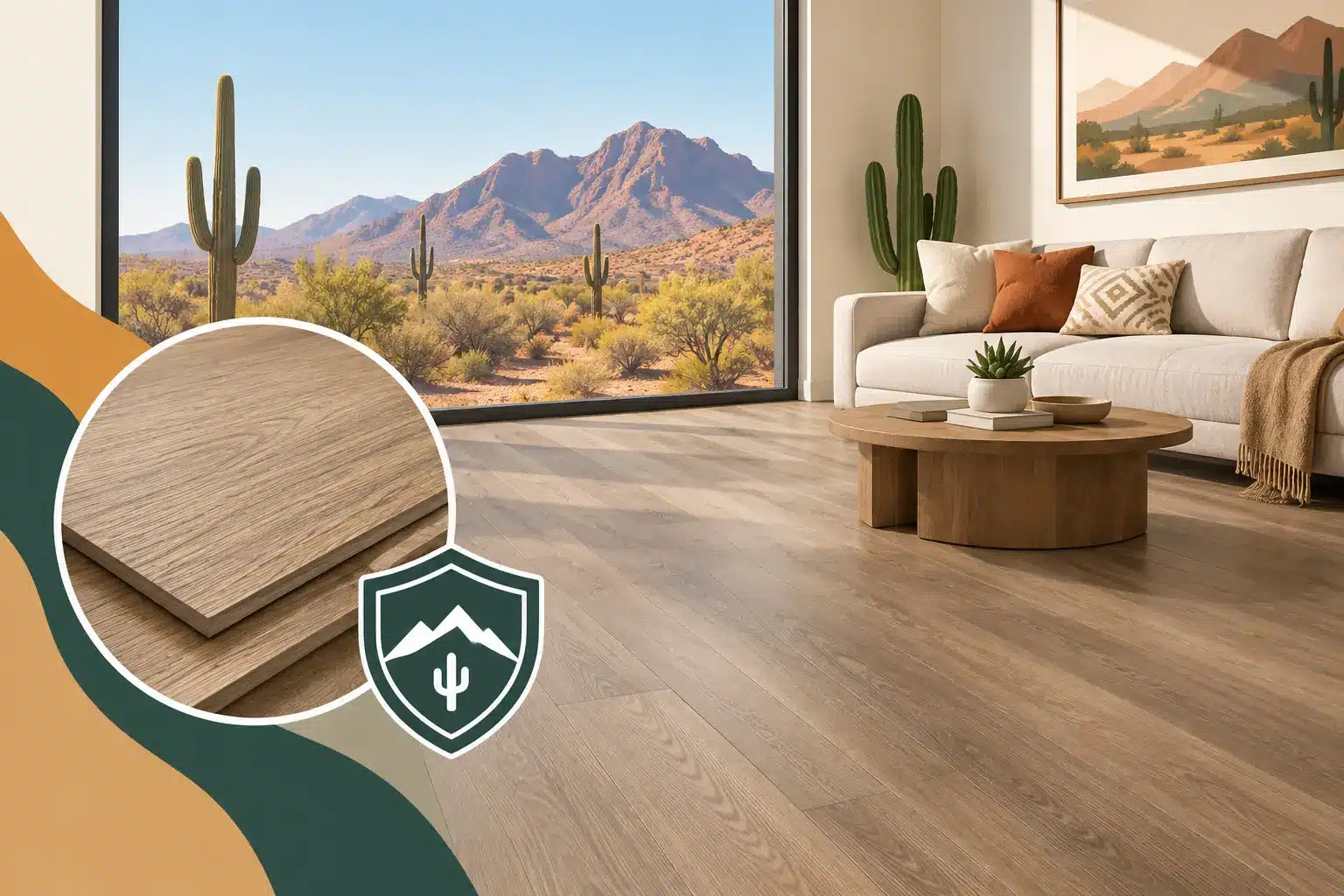
Today’s collections range from pale oak and warm maple looks to weathered gray, rich walnut, and wider European-style planks. Some feature cleaner grain patterns for modern spaces, while others include knots and character markings for a more rustic effect. Seeing full samples matters because a single tile can look very different from an installed floor with multiple pattern variations.
Where Wood Look Tile Works Best
Wood look tile is often chosen for main living areas, kitchens, bathrooms, hallways, and entryways. It is especially useful when a homeowner wants one durable flooring material across several rooms with different moisture levels. Large-format planks can make an open space feel more continuous and less visually busy.
For commercial buyers, wood look tile can be a smart choice for offices, retail spaces, medical waiting areas, and other interiors where appearance and cleanability both matter. The final recommendation should account for foot traffic, maintenance routines, furniture loads, and the condition of the existing slab.
Bedrooms are more of a personal decision. Tile performs well there, but some homeowners prefer carpet, hardwood, or luxury vinyl plank for a softer and warmer feel first thing in the morning. Area rugs can add comfort and color if you want tile’s durability throughout the home without giving up a softer landing near the bed.
The Trade-Offs to Consider Before You Buy
An honest flooring decision includes the drawbacks as well as the advantages. Tile can feel hard and cool underfoot, particularly in bedrooms or during cooler winter mornings. Rugs, runners, and slippers help, but they do not change the surface itself. If comfort is your top concern, luxury vinyl plank may be worth comparing alongside wood look tile.
Installation is another important factor. Wood look tile needs a properly prepared, level substrate to look its best and perform as expected. Long plank tiles can make floor unevenness more noticeable, so careful layout, mortar coverage, and lippage control are essential. This is not a product where cutting corners on installation is likely to pay off.
Grout lines also require consideration. Narrower grout joints can create a more continuous wood-like appearance, but grout color needs to coordinate with the tile and installation requirements. A poor grout match can make even a beautiful tile look overly segmented. Grout can also collect dirt over time, especially in high-traffic areas, so regular cleaning remains part of ownership.
Cost varies widely based on tile quality, plank size, installation complexity, and subfloor preparation. While tile may cost more upfront than some flooring alternatives, its long service life can offer good value in the right space. The best comparison is not just material price per square foot. It is the full installed cost and how well the floor fits your household or property over the years ahead.
Choosing the Right Wood Look Tile
Start with the room’s real use, not just the photo you saved for inspiration. A kitchen with large dogs and daily family traffic needs a different solution than a rarely used guest bath. Consider the amount of natural light, how often you clean, whether the floor connects to outdoor areas, and whether you plan to keep the property long term.
Then look closely at the tile itself. Porcelain is often preferred for demanding residential and commercial applications because of its density and durability. Ceramic can be a good option in lower-traffic interior spaces, depending on the product. Ask about recommended uses, finish, tile rating, available trim pieces, and whether the pattern includes enough variation to avoid a repeated look across a large room.
Plank dimensions influence the finished appearance, too. Wider, longer planks can feel current and spacious, but they demand more attention to subfloor flatness and layout. Smaller planks may suit tighter rooms or projects with a more traditional design. The best size is the one that fits both the room and the installation conditions.
Installation Makes the Difference
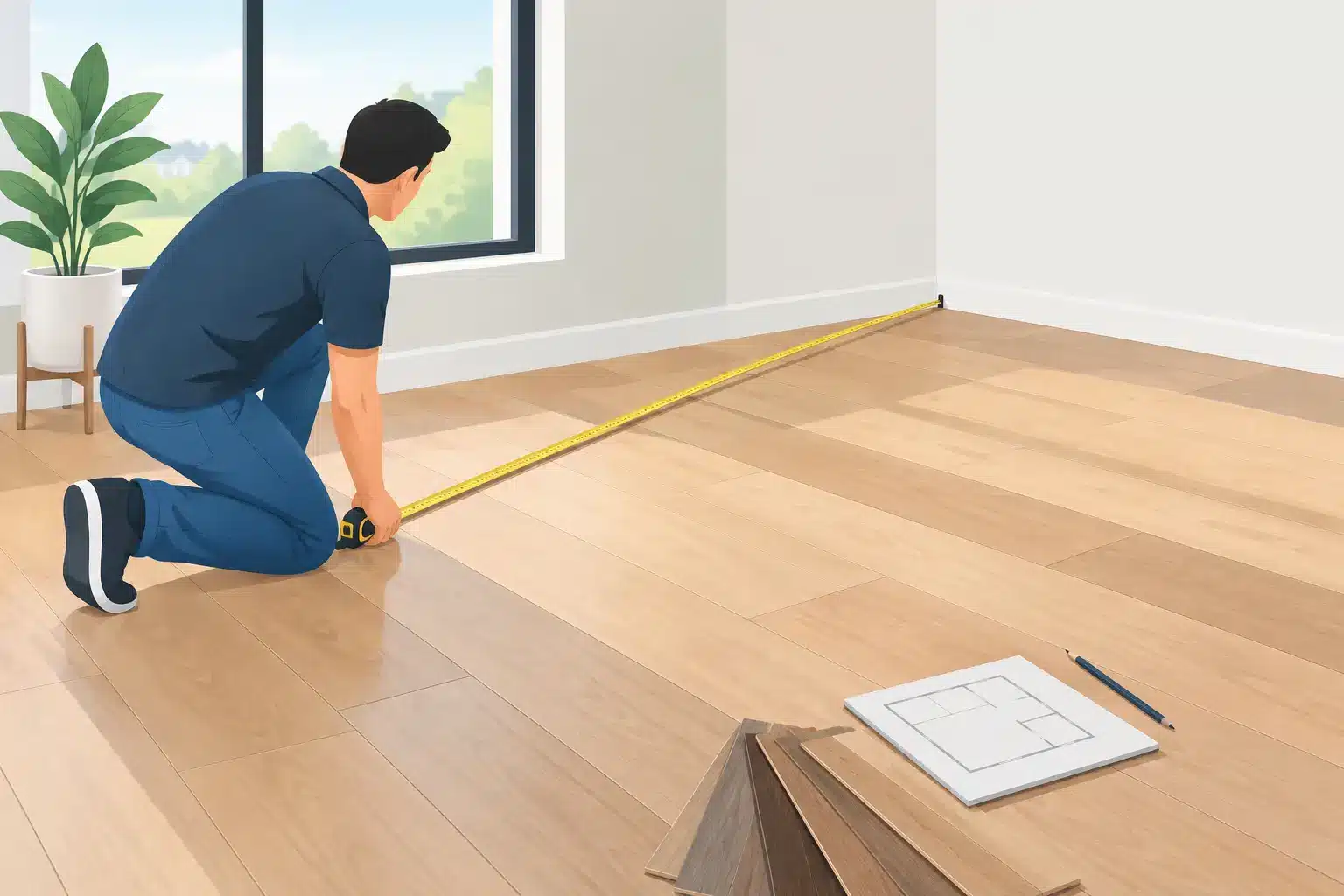
A wood look tile floor should be planned before the first tile is set. Professional installers evaluate the subfloor or concrete slab, determine the layout direction, plan cuts around walls and doorways, and confirm transitions to adjoining flooring. In Phoenix-area homes, slab condition and existing flooring removal can significantly affect the scope of work.
It is also wise to review tile samples and grout options in the room where they will be installed. Showroom lighting is helpful, but your home’s daylight, wall colors, cabinetry, and furnishings determine how the floor will actually read. A free in-home estimate can make those choices clearer while identifying installation details that may affect the budget.
Premium Carpet Tile Stone and Wood has helped East Valley customers compare flooring based on lifestyle, design goals, and real project conditions for more than 30 years. That kind of guidance is valuable when you are choosing among tile, hardwood, luxury vinyl, and other materials that may look similar at first glance but perform very differently.
A well-chosen wood look tile floor should not feel like a compromise. When the product, grout, and installation are matched to your space, it can give you the wood-inspired look you want and the dependable performance your home or business needs.


Leave A Comment