
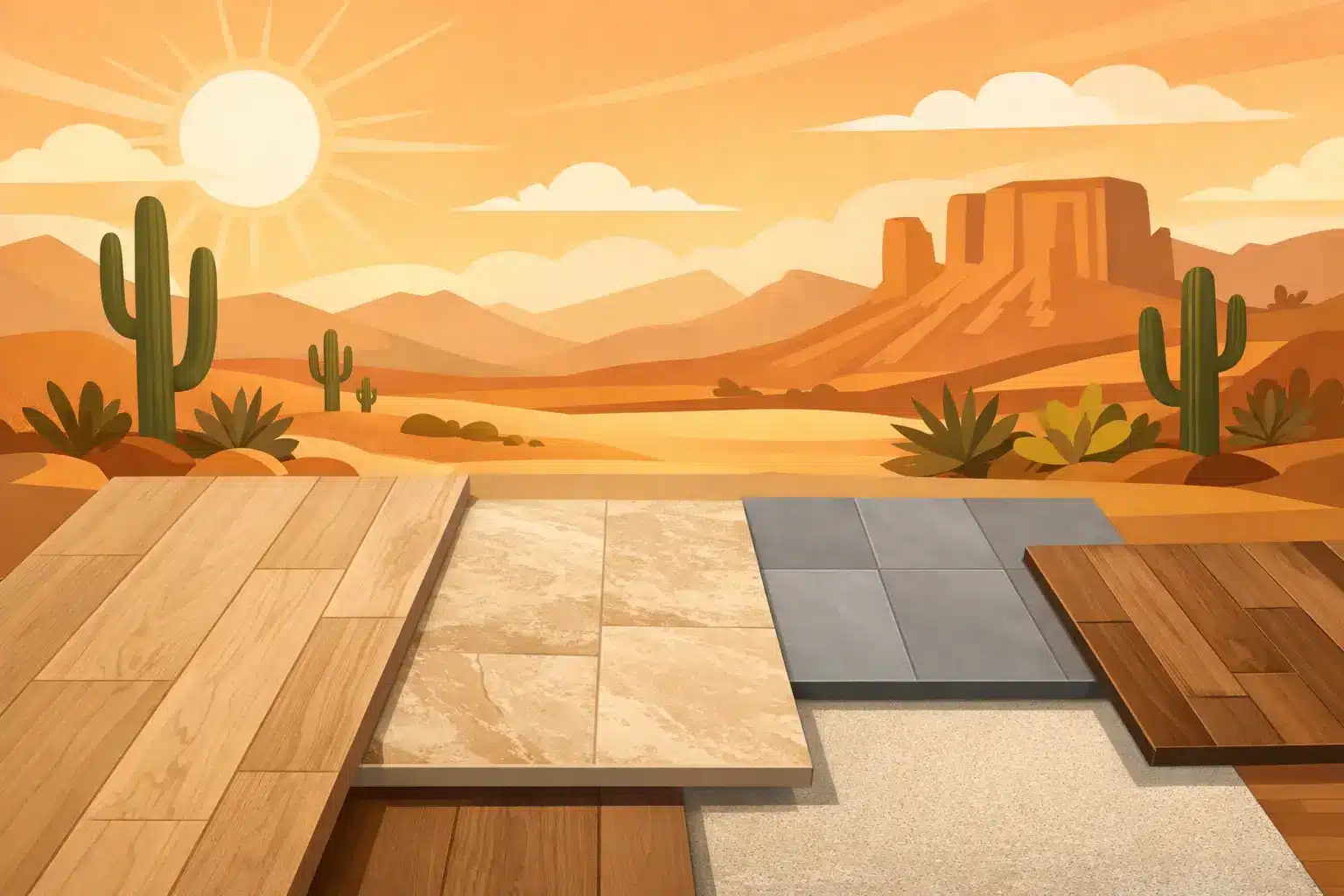
Step outside in Phoenix in July, then walk barefoot across the wrong floor inside, and you understand fast why material choice matters here. The best flooring for Arizona heat is not just about looks. It is about how a floor handles extreme temperatures, intense sun exposure, dry air, heavy foot traffic, and the day-to-day reality of desert living.
For homeowners, property managers, and commercial buyers across the East Valley, the right answer usually comes down to performance first, style second, and budget close behind. Some flooring types stay cooler underfoot. Some resist expansion better. Some hold up well in sun-filled rooms, while others need more protection and maintenance. That is why flooring in Arizona should never be chosen the same way it might be in a milder climate.
What makes Arizona heat hard on flooring
Arizona does not just bring hot weather. It brings long stretches of high temperatures, strong UV exposure, dust, and major temperature swings between indoor cooling and outdoor heat. Even if your interior stays air-conditioned, your flooring still feels the effects at entry points, near large windows, and in rooms with direct sun.
Heat can cause some materials to expand, contract, fade, or dry out over time. That does not mean every floor will fail in Arizona. It means installation method, product quality, and room location matter just as much as the category itself. A floor that works beautifully in a shaded bedroom may not be the right fit for a south-facing great room with full glass sliders.
Best flooring for Arizona heat in most homes
If you want the most dependable all-around choices, tile, luxury vinyl, and certain natural stone products usually lead the conversation. They perform well in desert conditions, they give buyers a wide range of style options, and they fit many different price points.
Tile remains the safest bet
For many Arizona homes, porcelain or ceramic tile is still the most practical answer. It handles heat extremely well, resists fading better than many other surfaces, and tends to stay cooler underfoot than most wood-look options. It is also a strong fit for open-concept homes, kitchens, bathrooms, and high-traffic living areas.
Porcelain is often the stronger choice over standard ceramic because it is denser and more durable. That matters in busy households, rental properties, and commercial spaces. Tile also works well with Arizona design styles, whether you want a clean modern look, a stone appearance, or a wood-look plank format.
The trade-off is comfort. Tile can feel hard, and in winter it can feel cooler than some people like, though Arizona winters are mild compared with most states. Grout maintenance is another factor. With proper product selection and installation, though, tile remains one of the smartest long-term investments for desert climates.
Luxury vinyl plank works well when comfort matters
Luxury vinyl plank, often called LVP, has become a very popular option for Arizona buyers who want a softer feel and a wood-look floor without the maintenance concerns of traditional hardwood. Good-quality vinyl products are durable, easy to clean, and often more forgiving in active households with kids, pets, or frequent foot traffic.
For heat, quality matters more than ever. Lower-grade vinyl can struggle if exposed to excessive direct sunlight or large temperature swings. Better products are more stable and are designed to perform in demanding residential and light commercial settings. In Arizona, this is one category where professional guidance helps. Not every vinyl plank is built the same, and not every installation environment is ideal for a floating floor.
In bedrooms, family rooms, rental homes, and offices, luxury vinyl can be an excellent balance of cost, appearance, and performance. It is especially appealing for buyers who want something warmer and quieter than tile.
Natural stone offers durability and a premium look
Stone flooring fits Arizona naturally. Travertine, slate, and other stone surfaces can perform very well in desert conditions, and they bring a high-end, timeless appearance that many homeowners want. Stone also tends to stay relatively cool, which can be a real advantage in warmer interiors.
The main consideration is maintenance and cost. Stone is usually more expensive than tile or vinyl, and some varieties require sealing and ongoing care to protect the surface. It can also feel hard underfoot, much like tile. For buyers who want a premium result and are comfortable with the upkeep, stone is still one of the strongest flooring choices for Arizona homes.
Where wood fits – and where it does not
Many buyers ask about hardwood because they love the warmth and character it brings. Real wood can work in Arizona, but it needs more careful planning than tile or vinyl. The dry climate and temperature shifts can affect natural wood, especially if the product is not acclimated properly or if the wrong species or construction type is selected.
Engineered hardwood is generally a better fit than solid hardwood in Arizona. Its layered construction makes it more dimensionally stable, which helps reduce movement caused by changing indoor conditions. Even so, wood is usually best in areas with controlled interior temperatures and less direct sun.
If you are considering wood, this is not the place to cut corners. Product quality, moisture testing, subfloor conditions, and installation all matter. Wood can absolutely be beautiful in Arizona, but it is not usually the first answer when someone asks for the best flooring for Arizona heat with the fewest long-term concerns.
Flooring to be careful with in desert conditions
Carpet still has a place, especially in bedrooms, offices, and spaces where comfort and sound control matter most. Arizona heat itself is not the biggest issue for carpet. The bigger questions are wear, cleaning, and whether it suits your lifestyle. In very active homes or commercial environments, carpet may show traffic patterns faster than hard surface flooring.
Laminate can also be a mixed bag in Arizona. Some newer products perform better than older versions, but heat and moisture sensitivity can still make laminate less forgiving than tile or high-quality vinyl in certain locations. Near sun-heavy windows or entrances, product selection becomes critical.
This is why broad advice like buy the cheapest wood-look floor can backfire. In Arizona, a flooring product has to do more than match your cabinets. It has to live well in the climate.
How to choose the best flooring for Arizona heat by room
The best choice often changes from room to room. In kitchens, living rooms, and main traffic areas, tile is usually the safest recommendation because of its durability and heat resistance. In bedrooms, many homeowners prefer luxury vinyl or carpet for a softer, quieter feel. In bathrooms and laundry rooms, porcelain tile is hard to beat.
For rental properties, durability and replacement cost usually drive the decision. That often puts tile and quality vinyl at the top of the list. For commercial spaces, the right answer depends on foot traffic, maintenance expectations, and the image the space needs to project. A medical office may prioritize easy cleaning and durability, while a retail showroom may want a more upscale visual finish.
Large windows are another factor that gets overlooked. Rooms with heavy direct sunlight need flooring that can resist fading and handle heat buildup near the glass. That is one reason tile and stone continue to perform so well in Arizona homes.
Installation matters as much as material
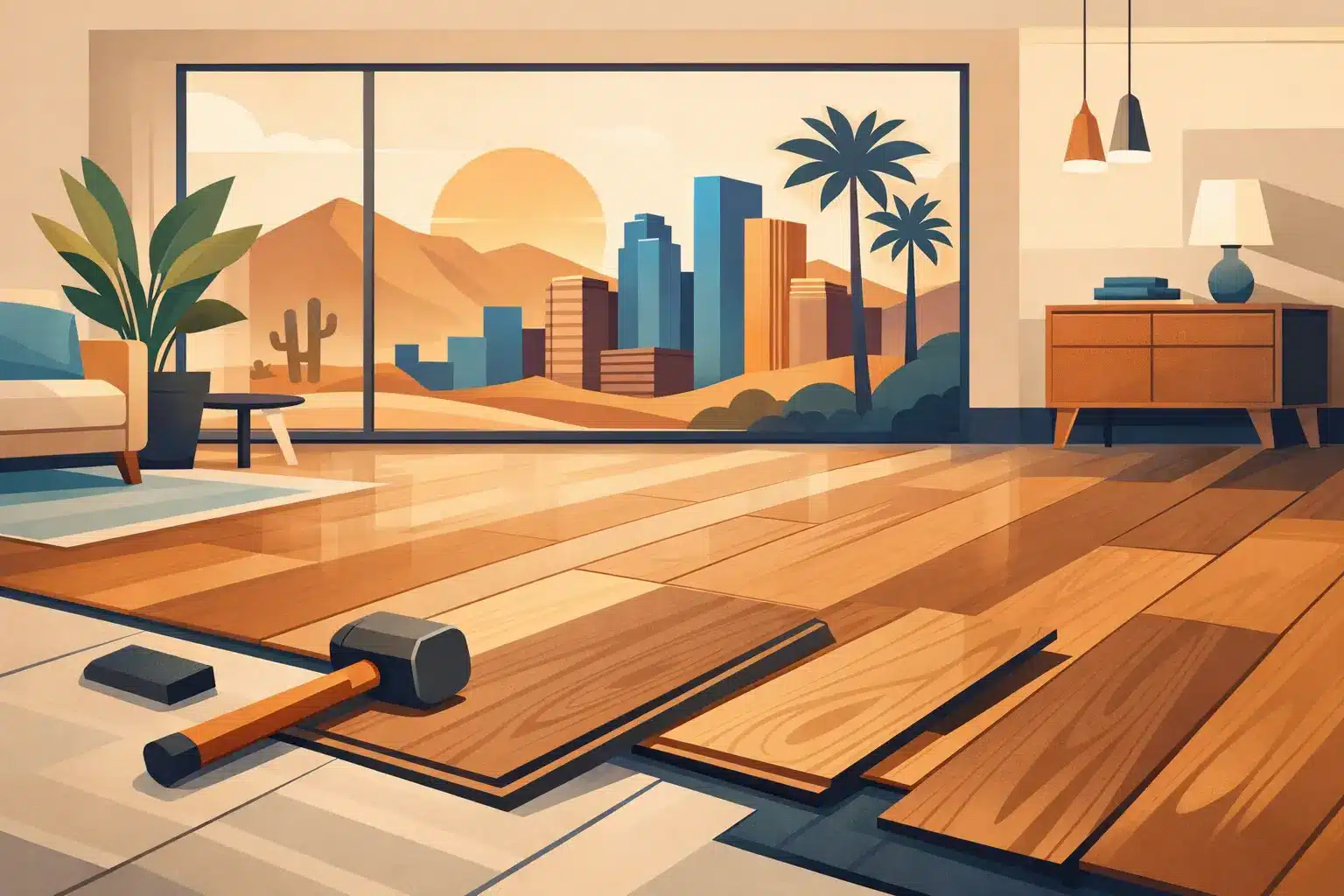
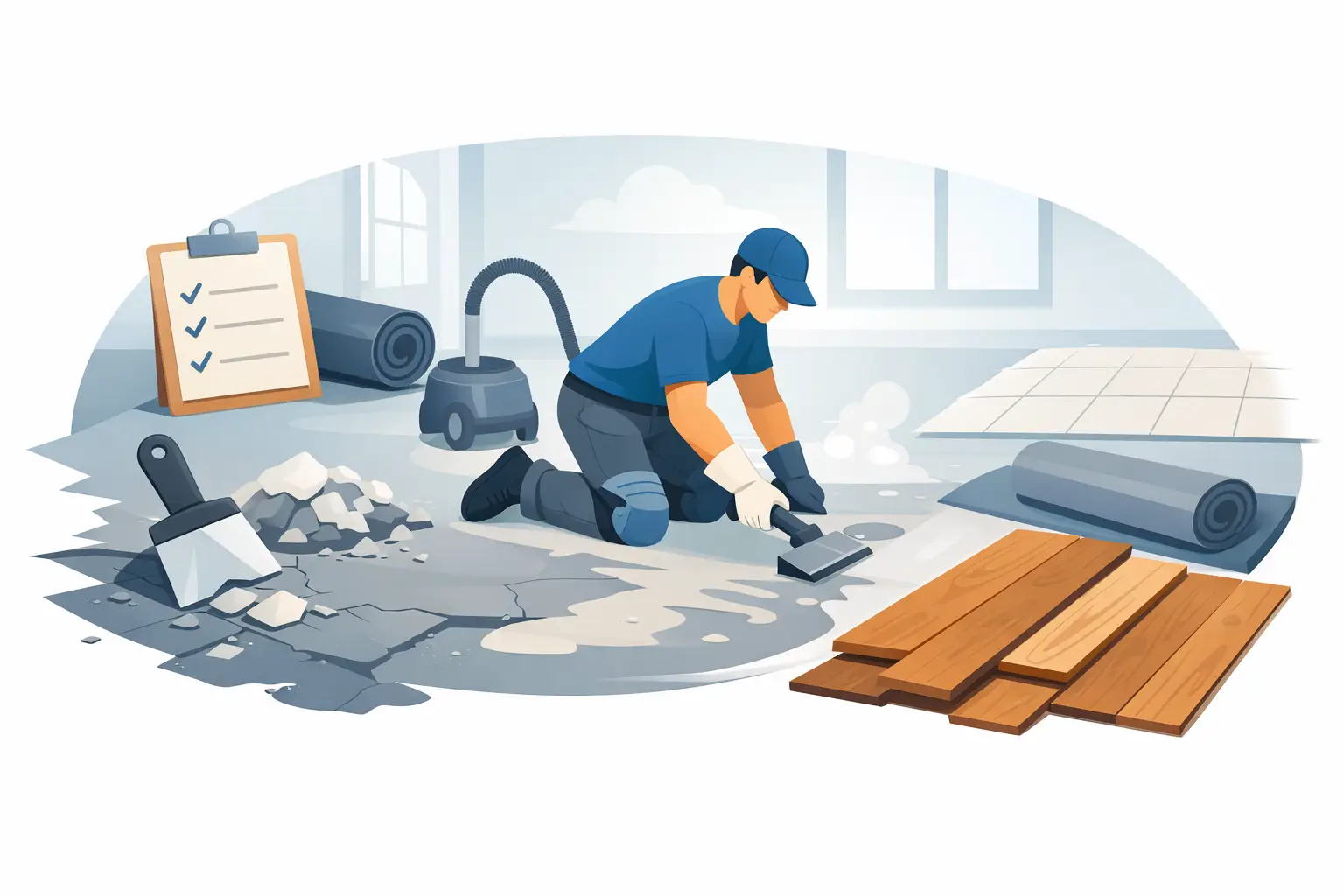
A good product can still become a problem if it is installed poorly. Expansion gaps, subfloor prep, adhesive selection, and proper acclimation all affect how flooring performs in Arizona heat. This is especially true for vinyl and wood products, where movement and temperature response can be more noticeable.
That is also why showroom samples only tell part of the story. A floor may look great in a display, but the real question is how it will perform in your home or commercial property, with your sunlight, your foot traffic, and your budget. A local, installation-focused team can help narrow the options based on actual conditions instead of generic national advice.
At Premium Carpet Tile Stone and Wood, LLC, that kind of guidance is part of the process. Buyers do better when they can compare product categories, review samples, and get straightforward recommendations based on where the flooring is going and how it needs to perform.
The smartest approach for Arizona buyers
If your goal is long-term value, start with performance and then narrow by style. Tile is usually the most dependable answer for Arizona heat. Luxury vinyl is a strong option when comfort, noise control, and wood-look design are priorities. Stone makes sense when you want a premium finish and are prepared for the higher investment. Engineered wood can work in the right rooms, but it asks for more care and better product selection.
The best floor is not always the most expensive one. It is the one that fits your space, handles the climate, and still looks right years from now. In Arizona, that decision gets easier when you choose with the desert in mind, not just the sample board.




Leave A Comment