
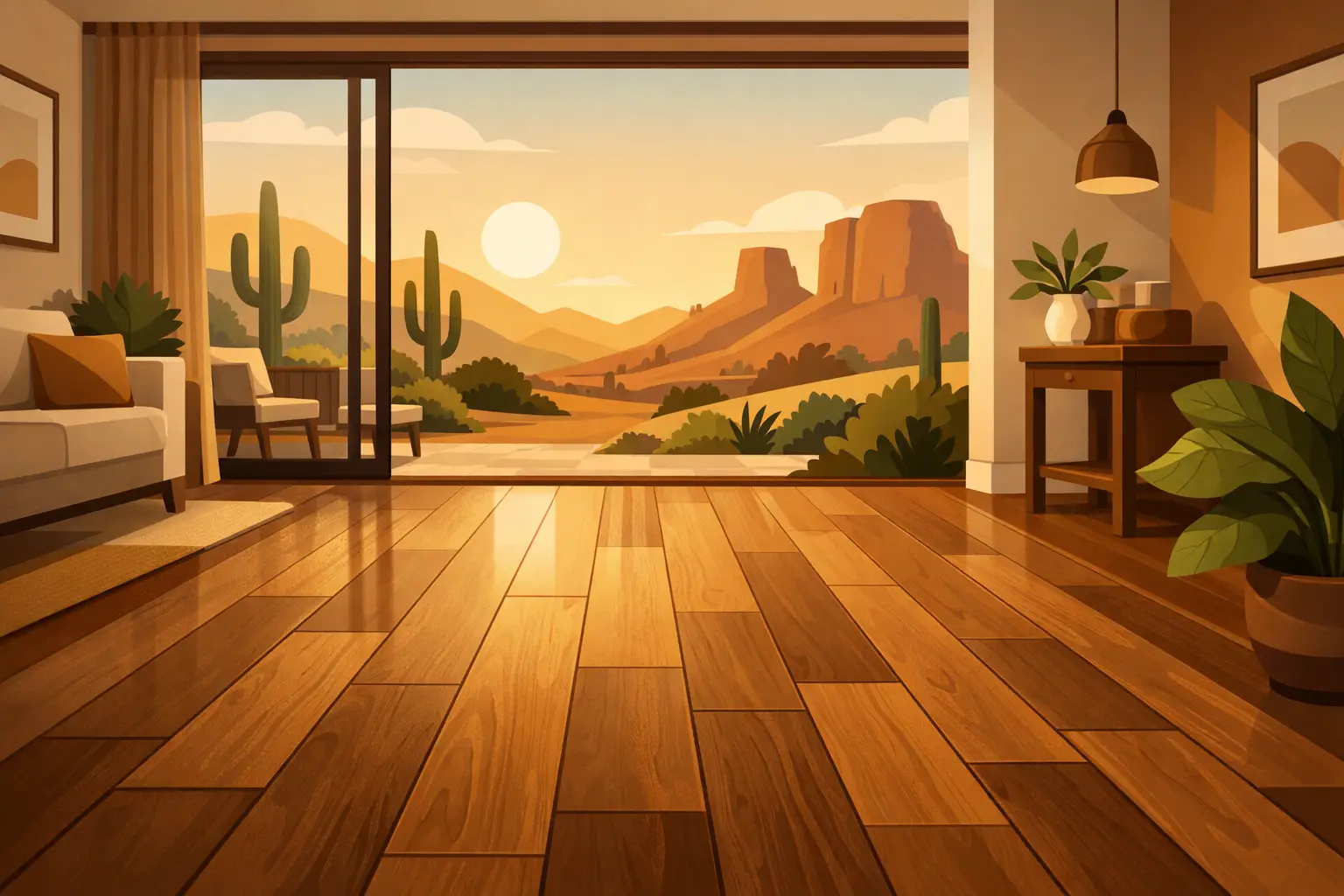
A hardwood floor can change the character of a home before a single piece of furniture is moved in. It adds warmth to a Scottsdale great room, gives a Mesa remodel a more finished feel, and provides a durable surface that can remain attractive for decades with the right product and care. But hardwood flooring is not a one-size-fits-all purchase, especially in the Phoenix area, where dry conditions, strong sunlight, pets, and busy households all affect the best choice.
The right floor starts with more than color. It comes down to wood construction, species, finish, room conditions, installation method, and how you expect the space to be used. A knowledgeable flooring consultation helps narrow those choices before installation begins.
Solid vs. Engineered Hardwood Flooring
The first decision is usually whether solid or engineered hardwood flooring makes more sense for the project. Both use real wood and offer the natural grain, texture, and long-term value homeowners expect. Their construction is different, and that difference matters.
Solid hardwood is milled from one piece of wood. It is a traditional choice for living rooms, bedrooms, hallways, and other dry interior spaces. Depending on the thickness of the wear layer, it can often be sanded and refinished several times over its lifespan. For homeowners planning to stay in a property for many years, that renewability can be a major advantage.
Engineered hardwood has a real hardwood surface over a layered core designed for added dimensional stability. This construction makes it a practical option for concrete slab homes, which are common throughout Phoenix and the East Valley. It can also work well in wider plank styles and in homes where seasonal changes in indoor humidity may be a concern.
Neither option is automatically better. A solid oak floor may be ideal for a traditional home with a plywood subfloor. An engineered white oak floor may be the smarter fit for a contemporary home built on a slab. The subfloor, room location, desired plank width, and installation conditions should guide the decision.
Choose a Wood Species for Real Life
Species affects more than appearance. It influences hardness, grain pattern, color variation, and the way a floor shows everyday wear.
Oak remains one of the most dependable choices for hardwood flooring. Red oak has a warmer, more pronounced grain, while white oak offers a cleaner look with neutral undertones that work well with today’s natural and modern interiors. White oak also takes stain beautifully, which is why it is often selected for light, medium, and custom-finished looks.
Hickory is a strong option for active households. Its dramatic grain variation helps disguise small scratches and everyday marks, while its hardness makes it well suited for homes with large dogs, children, or frequent entertaining. Maple has a smoother, subtler grain and a more consistent appearance, though its density can make staining less predictable than oak.
For a more distinctive look, homeowners may consider walnut, acacia, or other specialty species. These materials can create a memorable floor, but they may have different hardness levels, color variation, and price points. The most beautiful sample in the showroom is not always the most practical choice for a sun-filled family room or a rental property with heavy turnover.
Hardwood Color and Finish Matter as Much as Species
Light and natural tones are popular for good reason. They keep rooms feeling open and can make dust and minor surface marks less noticeable than very dark floors. Medium brown finishes provide a classic look and work with a wide range of cabinetry and furniture. Dark hardwood can be striking, but it typically shows pet hair, footprints, and dust more readily in Arizona homes.
Finish sheen is another practical decision. A matte or low-gloss finish tends to hide small scratches and reflects less glare from large windows. Satin offers a balanced, familiar look. High-gloss finishes create more shine, but they require more frequent cleaning to maintain that polished appearance.
Arizona Sun and Dry Air Deserve Extra Attention
Hardwood is a natural material, which means it responds to its environment. Arizona’s dry climate does not rule out wood floors, but it makes proper product selection, acclimation, and installation especially important.
Sun exposure is often the biggest concern. Intense direct light can gradually change the color of wood, especially on floors near south- and west-facing windows. Area rugs, window coverings, and occasional furniture rearrangement can help prevent uneven fading. A quality finish with UV protection can also reduce the visible impact of sunlight over time, although no wood floor is completely immune to natural color change.
Indoor climate control matters too. Excessively dry indoor air can cause wood to shrink slightly, creating small seasonal gaps between boards. Proper acclimation before installation, appropriate expansion space around the perimeter, and a stable indoor environment help manage this natural movement. This is one reason professional installation is worth considering rather than treating hardwood as a simple weekend project.
Hardwood is generally not recommended for full bathrooms or other rooms with frequent standing water. Kitchens can work when spills are cleaned promptly and the right finish is selected. For laundry rooms, entryways exposed to pool traffic, and moisture-prone spaces, luxury vinyl plank or porcelain tile may offer a more forgiving alternative.
Installation Details Protect the Investment
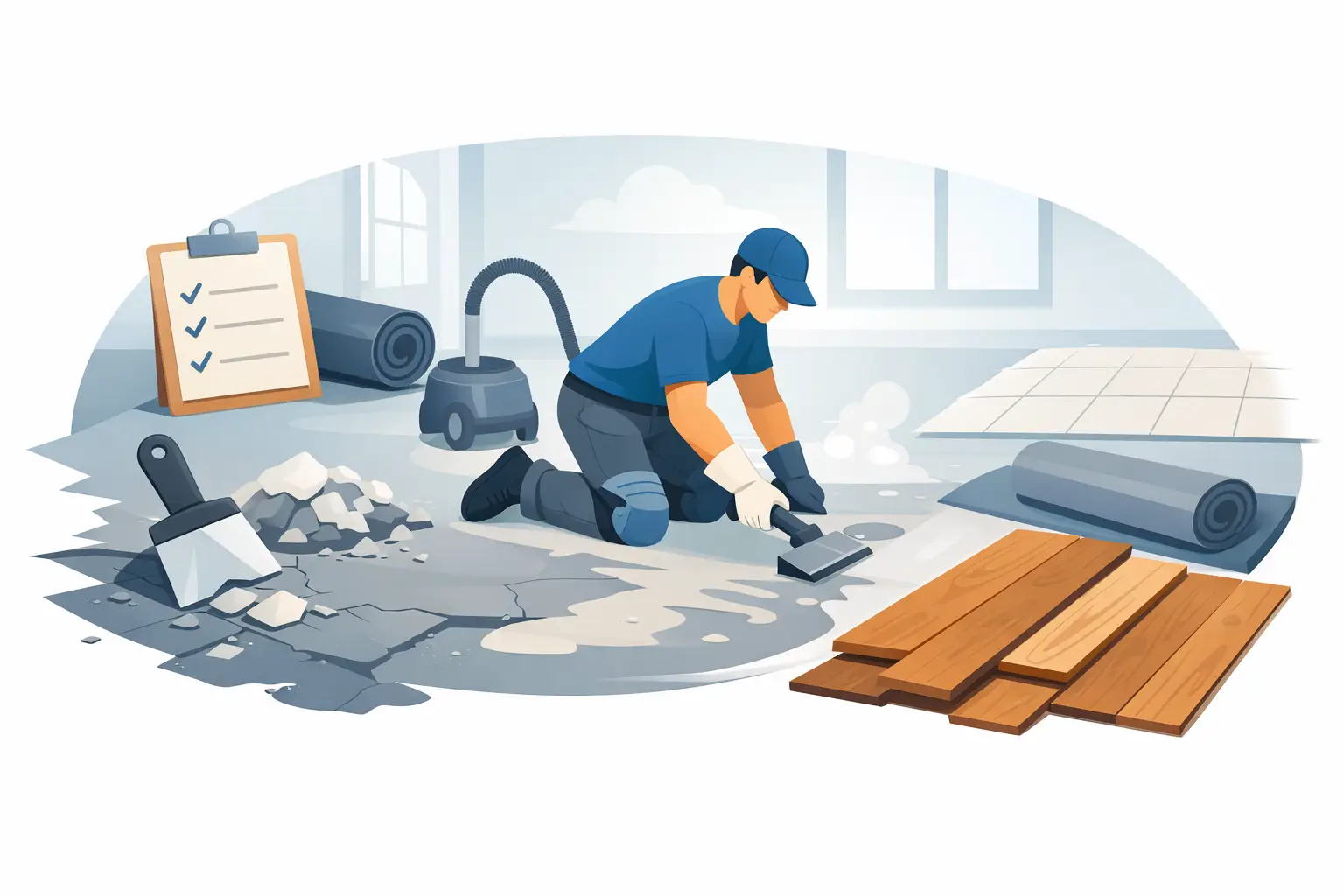
A beautiful hardwood product can underperform if the installation is rushed or the subfloor is not prepared correctly. Before any boards are installed, the existing floor must be checked for flatness, moisture, and structural condition. Concrete slabs require moisture testing. Wood subfloors need to be clean, secure, and properly leveled.
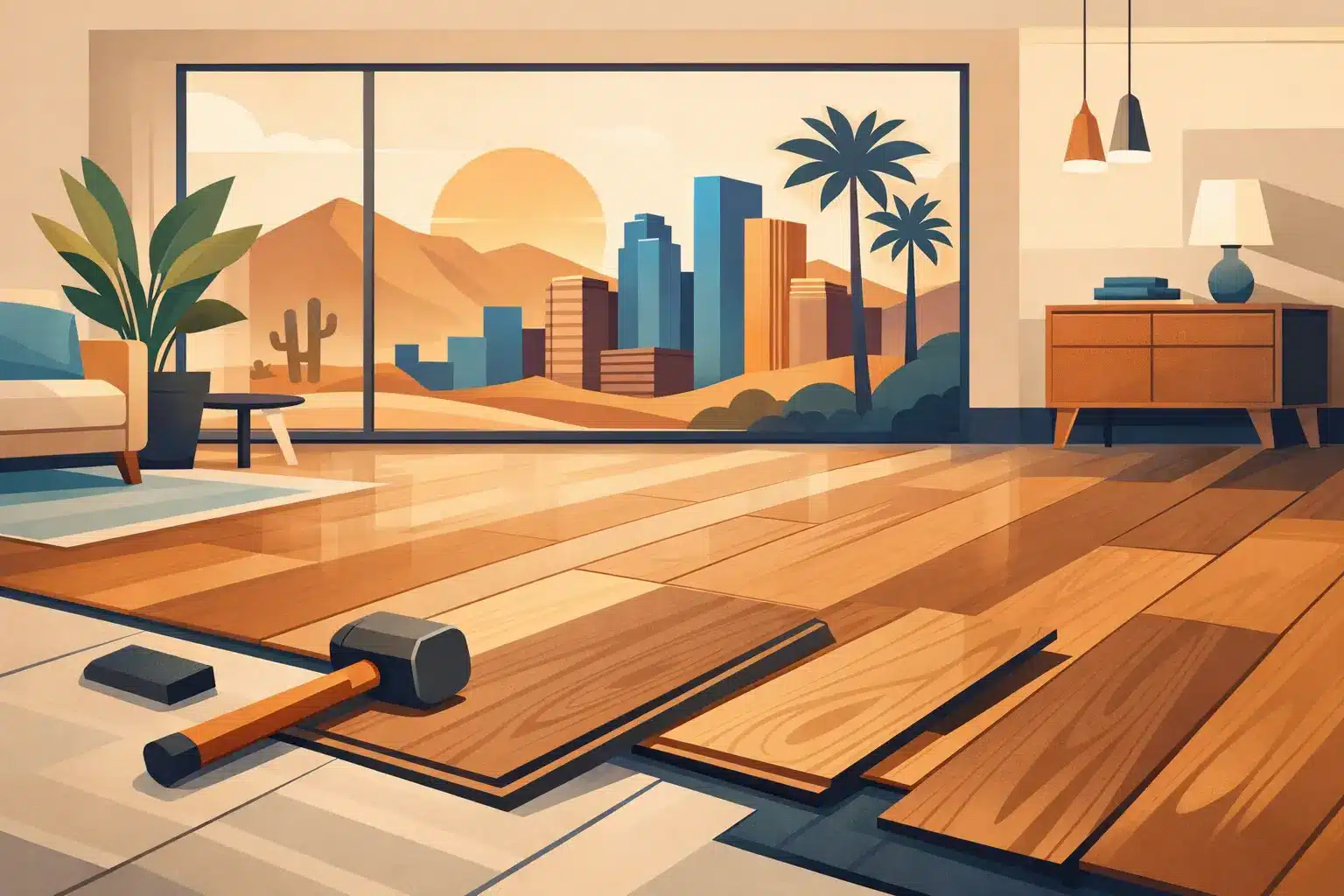
The installation method depends on the product and subfloor. Solid hardwood is commonly nailed or stapled over an approved wood subfloor. Engineered hardwood may be glued down, nailed down, floated, or installed using a combination of methods. Each approach has advantages, but the manufacturer’s specifications should always be followed to protect the product warranty.
Plank direction also affects the finished appearance. Running boards along the length of a room can make the space feel larger, while alignment with major sightlines can create a more intentional design. Transitions between rooms, stair details, baseboards, and floor height changes should be planned before installation day, not treated as afterthoughts.
For Phoenix-area homeowners, a free in-home estimate can answer the questions samples alone cannot: Is the slab suitable? What prep is needed? How will the new floor meet adjacent tile or carpet? What installation approach fits the home and budget?
What Hardwood Flooring Costs Over Time
Hardwood is usually a higher initial investment than carpet, laminate, or many vinyl products. That does not mean it is always the expensive choice over the life of a home. A quality wood floor can be refinished, repaired in localized areas, and valued by future buyers when maintained properly.
The project price is influenced by the species, board width, grade, construction, finish, removal of existing flooring, subfloor preparation, trim work, and installation method. Wide-plank engineered wood with a premium finish will typically cost more than a narrower, entry-level product. Custom stairs, complex room layouts, and significant floor leveling can also affect the final quote.
The best value is not simply the lowest material price. It is a floor that fits the room, is installed to specification, and will not need to be replaced because it was poorly matched to the household. For a commercial office, rental property, or busy family home, that may mean selecting a more durable finish over a more delicate species.
Simple Care Keeps Wood Looking Its Best
Daily care does not need to be complicated. Sweep or vacuum regularly using a hard-floor setting without a beater bar, then clean with a manufacturer-approved hardwood floor cleaner as needed. Avoid soaking the floor, steam mops, abrasive scrubbers, and oil soaps that can leave residue or damage the finish.
Use felt pads beneath furniture, place mats at exterior doors, and clean spills promptly. If pets are part of the household, keeping nails trimmed helps reduce surface scratches. Small marks are part of the lived-in character of natural wood, but a quality finish and sensible maintenance will keep them from becoming a larger issue.
When you are comparing samples, bring the decision back to your actual home: the amount of sunlight, the subfloor underfoot, the people and pets using the room, and the style you want to live with for years. Premium Carpet Tile Stone and Wood can help you compare real wood options, wholesale pricing, and professional installation details in one conversation, so your final choice feels as solid as the floor itself.




Leave A Comment