
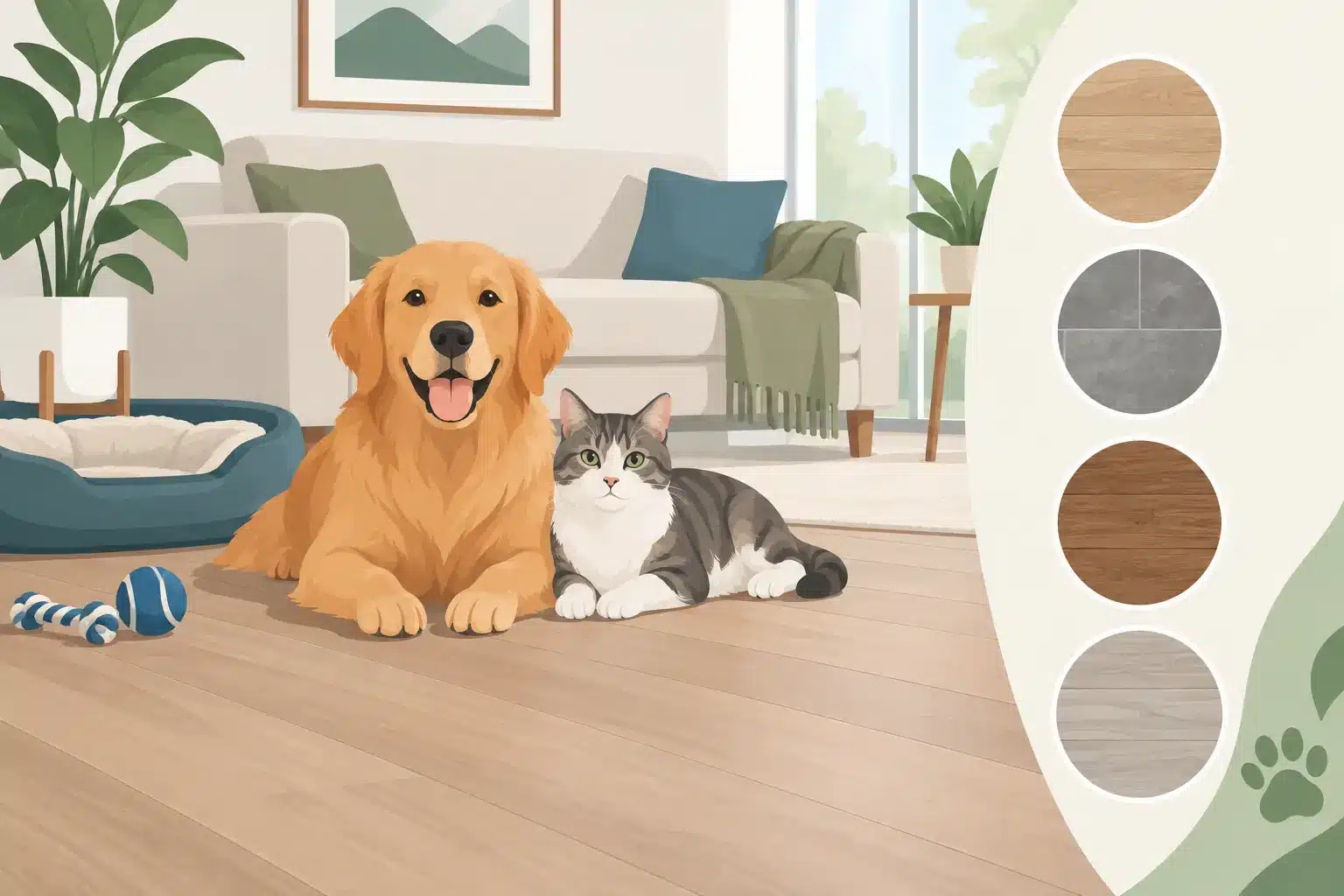
A new floor can look perfect on installation day and still be the wrong fit if it shows every paw print, scratches under a dog’s nails, or absorbs the occasional accident. When you choose pet friendly flooring, the best option is not simply the toughest material in the showroom. It is the material that fits your pets, household routine, budget, and expectations for appearance over time.
For homeowners across Phoenix and the East Valley, heat, dust, pool traffic, and active indoor-outdoor living add another layer to the decision. A beautiful floor should also be practical to clean, comfortable for pets to walk on, and installed correctly so it performs as expected.
Start With Your Pet’s Real Habits
A small senior cat and two energetic dogs create very different flooring demands. Before comparing samples, consider how your pets actually use the space. Do they run through the house after a walk? Are they likely to track in dirt from the yard? Do they spend long periods lying on the floor? Is there a puppy, a kitten, or an older pet with occasional accidents?
Scratching is usually the first concern, but it is only one part of the picture. Moisture resistance matters for water bowls, accidents, and wet paws. Texture can affect traction for older dogs. Cleaning requirements matter if shedding is constant. And in open-concept homes, you may need a floor that handles pet traffic without making the room feel cold or overly hard.
Bring this information to your flooring consultation. It helps narrow a large range of products into choices that make sense for your home instead of relying on a one-size-fits-all recommendation.
How to Choose Pet Friendly Flooring by Material
Every flooring category has strengths and limitations. The right choice depends on whether your priority is maximum water resistance, natural beauty, softer footing, or the lowest upfront cost.
Luxury vinyl plank and luxury vinyl tile
Luxury vinyl plank, often called LVP, is one of the most practical choices for many pet owners. Quality vinyl flooring can provide a realistic wood or stone look while offering strong resistance to everyday scratches, spills, and stains. It is also easier on paws and joints than tile or stone, making it a comfortable option for dogs that spend a lot of time indoors.
For busy homes, look for a quality wear layer and a product rated for the level of traffic in your household. Waterproof and water-resistant are not always identical claims, so ask how the specific product performs if moisture reaches the seams or sits on the surface. Installation preparation also matters. An uneven subfloor can affect the appearance and long-term performance of vinyl plank.
LVP is especially appealing in Phoenix-area homes because it works well with modern, rustic, and transitional designs while standing up to everyday dust and frequent cleaning.
Porcelain tile and natural stone
Porcelain tile is an excellent choice when durability and moisture resistance are top priorities. It does not absorb pet odors the way some softer materials can, and it is easy to clean after muddy paws, spilled water, or accidents. Porcelain is also highly resistant to scratching, which makes it a reliable fit for larger dogs and active households.
The trade-off is comfort. Tile can feel hard and cool underfoot, particularly for senior pets or dogs with joint issues. Area rugs, runners, and pet beds can make key spaces more comfortable without giving up the durability of tile. Choose a finish with enough texture to provide traction, but avoid a deeply textured surface that can collect dirt and require extra cleaning.
Natural stone brings a high-end look, but it requires more attention. Some stones are porous and may need sealing to protect against staining. If you prefer stone, ask about the maintenance schedule and the best finish for pets before making a final selection.
Hardwood and engineered wood
Wood flooring can absolutely work in a pet-friendly home, but it requires a more careful product choice and realistic expectations. Natural hardwood adds warmth and lasting value, yet it can show scratches, dents, and water damage more readily than vinyl or porcelain. Pets with long nails, high activity levels, or frequent accidents can make soft wood species difficult to maintain.
If wood is your preferred look, engineered hardwood may offer a more stable choice for many homes. Select a durable finish, a color and grain pattern that help disguise minor marks, and a wood species known for hardness. Matte or low-gloss finishes tend to be more forgiving than high-gloss surfaces, which can highlight scratches and pet hair.
Wood is best for pet owners who are prepared to wipe up spills quickly, keep nails trimmed, and accept that a living floor may develop character over time. It may not be the ideal first choice for a new puppy or a household with several large dogs.
Carpet and carpet tile
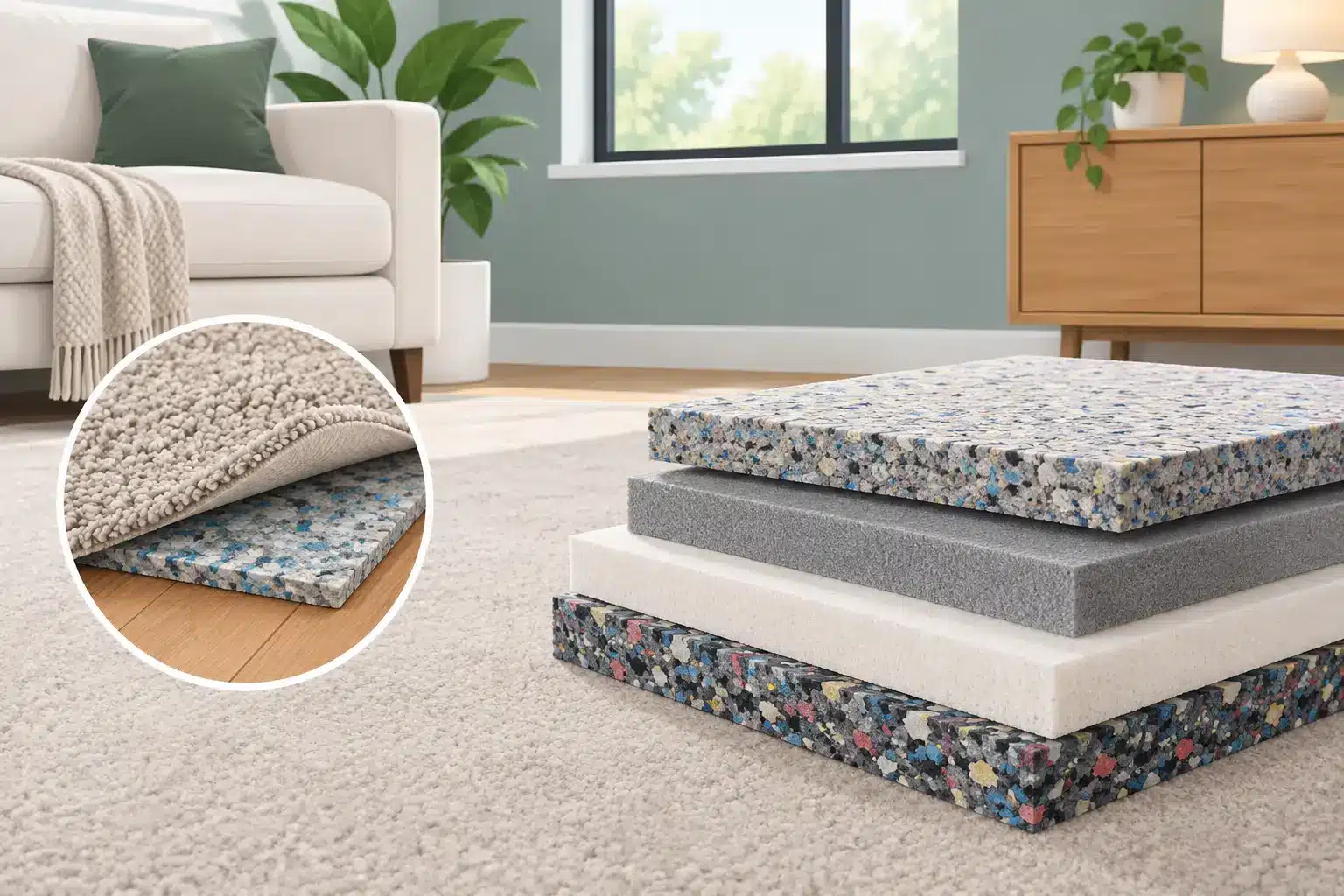
Carpet creates a soft, quiet surface that many pets enjoy, especially in bedrooms and upstairs spaces. It also provides traction for older dogs. The challenge is managing stains, odors, and pet hair. If you choose carpet, focus on stain-resistant fibers and a dense construction that can handle traffic.
Low-pile carpet is generally easier to vacuum than thick, plush styles. Patterned or flecked colors can also hide hair and everyday soil better than a solid light color. Carpet tile deserves consideration in certain rooms because individual damaged tiles can often be replaced instead of replacing the entire floor.
For homes with repeated accidents, carpet is usually better reserved for low-risk areas. A waterproof hard surface in main living spaces combined with carpet in bedrooms can be a practical compromise.
Look Beyond the Surface Layer
A floor’s durability is not determined by appearance alone. Ask about the construction, warranty, finish, wear layer, and recommended cleaning products. A product labeled scratch-resistant is not scratch-proof, and no floor is completely immune to damage from gravel, sharp claws, or dragged furniture.
Color and finish are just as important as material. Medium tones, natural variation, and textured or matte finishes often conceal pet hair, dust, and light scratches better than very dark, very light, or high-gloss flooring. In Arizona homes, this can make daily upkeep noticeably easier.
Also consider transitions between rooms. Using the same durable flooring through connected living areas can reduce seams, simplify cleaning, and create a more consistent look. In bathrooms, laundry rooms, and entries, prioritize moisture protection over matching every room exactly.
Do Not Overlook Traction and Comfort
A highly polished hard surface may look impressive, but it can be slippery for pets. This is particularly relevant for older dogs, large breeds, and pets recovering from injury. A lightly textured vinyl, tile, or wood finish can offer better footing without changing the style of the room.
Comfort matters too. Hard surfaces are easy to clean, but pets may prefer softer places to rest. Rugs with non-slip pads, washable runners, and supportive pet beds can solve this issue while protecting high-traffic areas. This approach often gives homeowners the best balance: durable flooring where messes happen and comfort where pets relax.
Plan for Installation and Long-Term Care
Even the right flooring product can disappoint if the subfloor is not properly prepared or the installation method does not match the material. Moisture testing, leveling, expansion space, grout selection, and transition details all affect how a floor performs. Professional guidance is particularly valuable when replacing flooring throughout a home or combining several materials.
Once installed, simple habits protect your investment. Keep pet nails trimmed, place mats near exterior doors and water bowls, clean spills promptly, and use only cleaners approved for your flooring type. Avoid steam cleaning or harsh products unless the manufacturer specifically permits them. These small steps help preserve the finish and prevent residue that attracts more dust and dirt.
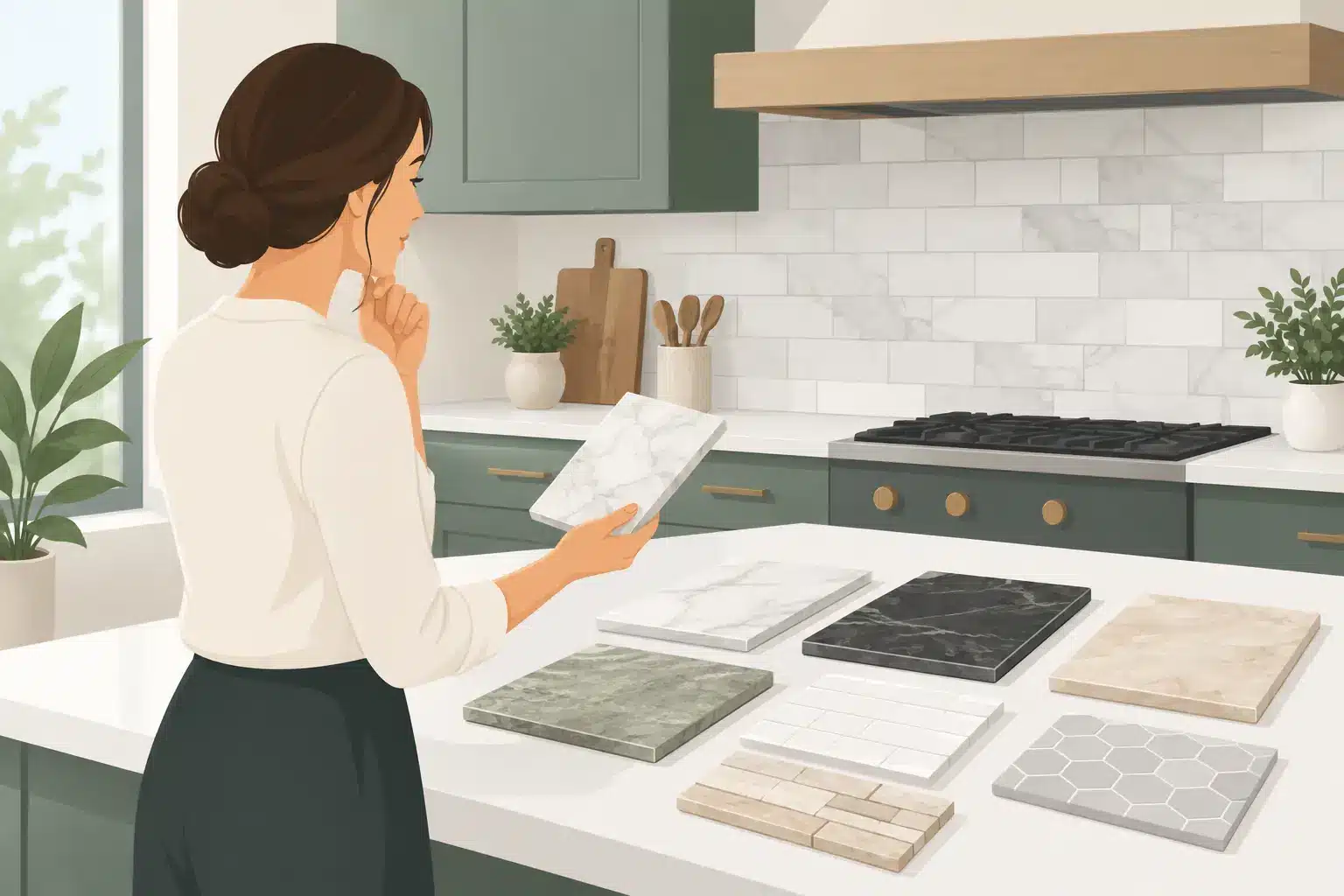
A showroom appointment and free in-home estimate can make the choice easier because you can compare samples against your lighting, furniture, and pet-related needs. Premium Carpet Tile Stone and Wood, LLC helps Phoenix and East Valley homeowners weigh those details, from practical luxury vinyl to durable porcelain and carefully selected hardwood.
The best pet-friendly floor is the one you will still appreciate after muddy paws, shedding season, and years of daily life. Choose a material that supports how your household actually lives, then give it the professional installation and basic care it deserves.


Leave A Comment