
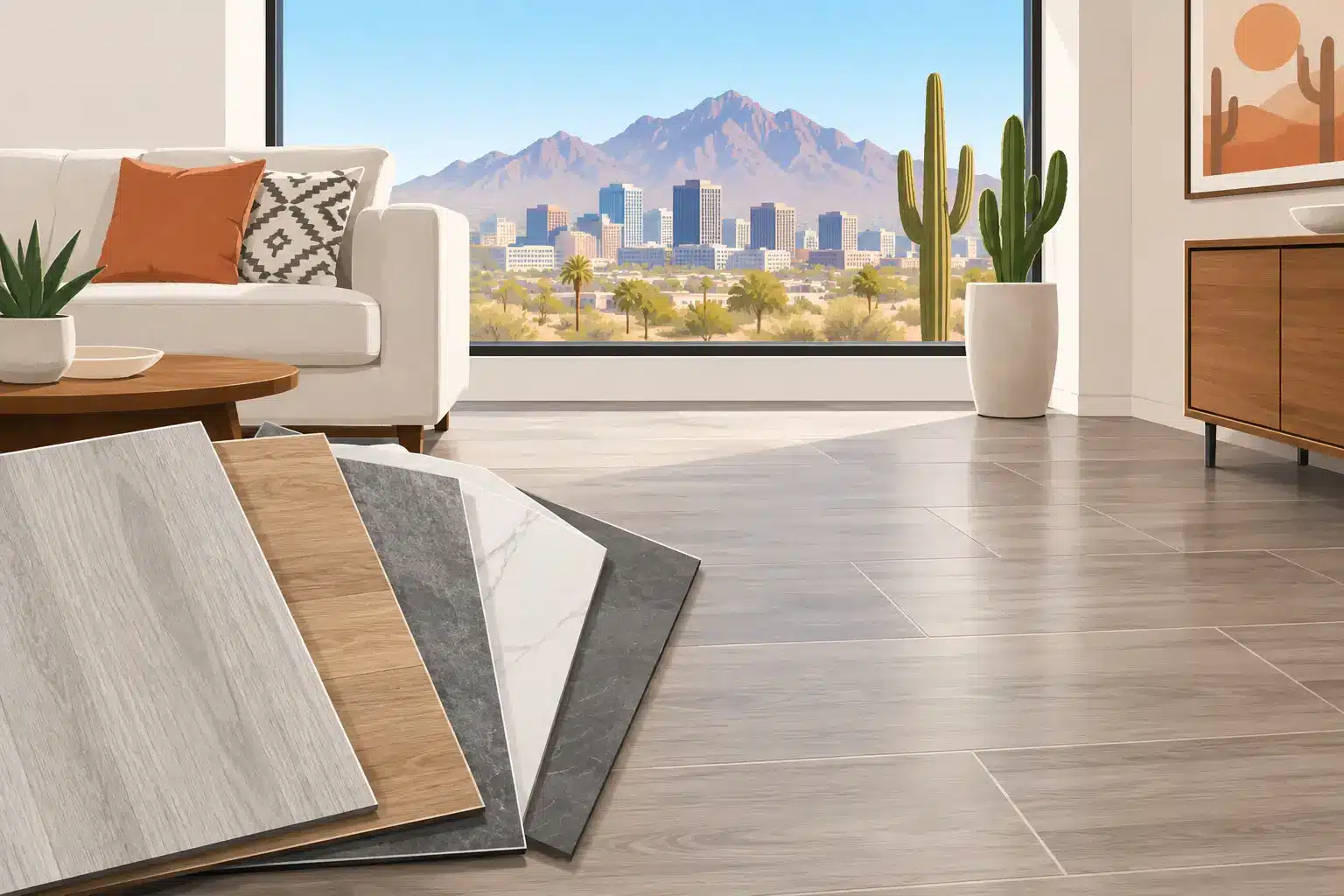
A new vinyl floor can look like stone, ceramic tile, or hardwood at a more approachable price, but the products are not all built for the same job. This vinyl tile buying guide helps Phoenix-area homeowners, property owners, and commercial buyers choose a floor that fits the room, the traffic level, and the installation conditions before a purchase is made.
Start With the Type of Vinyl Tile
When customers ask for vinyl tile, they may be referring to several different products. The most common choice for homes and light commercial spaces is luxury vinyl tile, often called LVT. It uses realistic printed visuals and embossed texture to recreate natural materials, with individual tiles that can be arranged in patterns such as straight lay, staggered layout, or a stone-inspired grid.
Vinyl composition tile, or VCT, is a different category. It is a durable commercial product often found in schools, retail areas, and back-of-house spaces. VCT can be cost-effective for large projects, but it typically needs regular waxing and polishing to keep its appearance. For many homeowners and busy rental-property owners, LVT offers easier maintenance and a more residential finish.
Peel-and-stick vinyl tiles are another option, particularly for budget-conscious refreshes. Their performance depends heavily on a properly prepared, smooth subfloor. They can work in low-traffic areas, but they are generally not the best long-term answer for an active kitchen, entryway, or commercial space.
Choose a Wear Layer for Real Life
The wear layer is the clear protective surface at the top of luxury vinyl tile. It has a major effect on scratch resistance, stain resistance, and expected service life. A thicker wear layer is usually a better investment where people, pets, rolling chairs, or frequent cleaning put more pressure on the floor.
For a guest room or low-traffic bedroom, a lighter residential wear layer may be sufficient. For family rooms, kitchens, hallways, and rental properties, a mid-range to heavier residential wear layer provides more protection. Offices, retail spaces, and other commercial interiors often require a commercial-rated product designed to handle constant foot traffic and regular maintenance.
Do not choose by wear-layer thickness alone. The quality of the finish, the warranty, the core construction, and the manufacturer all matter. A product sample also tells you more than a photo can. Look at the texture, edge detail, sheen, and color variation under normal lighting before making a final decision.
Consider Phoenix Heat and Sun Exposure
Arizona sunlight is one of the biggest factors in flooring selection. Vinyl tile performs well in many Phoenix and East Valley homes, but direct sun and intense heat deserve attention. Rooms with large south- or west-facing windows, patio doors, or skylights can become much hotter than the rest of the home.
A quality vinyl product with a stable core and a manufacturer-approved installation method is a smart starting point. Window coverings, solar screens, and UV-control window film can also reduce heat buildup and help protect the floor’s color over time. If a room receives strong afternoon sun, discuss that condition during the estimate rather than assuming every vinyl tile will perform the same way.
Temperature changes also affect installation. Vinyl materials need time to acclimate to the indoor environment, and installers must leave the correct expansion space where required. This is especially important with floating click-lock tile. Careful preparation prevents issues such as edge lifting, gaps, and movement after installation.
Compare Installation Methods Before You Buy
Luxury vinyl tile is available in several installation formats. Each has advantages, but the right one depends on the subfloor and how the room will be used.
Glue-down vinyl tile is adhered directly to the prepared subfloor. It is a strong choice for commercial spaces, large open areas, and rooms with rolling loads because it creates a firm, stable surface. Glue-down flooring can also make individual tile repairs more manageable, although subfloor preparation must be precise.
Click-lock or floating vinyl tile connects plank or tile edges without being attached directly across the entire floor. It can be a practical option for many residential projects and may install over certain existing hard surfaces when conditions are right. However, the existing floor must still be flat, sound, and dry. A floating floor is not a shortcut around a damaged or uneven substrate.
Loose-lay products are designed to stay in place through weight, friction, and strategic adhesive in certain applications. They can be useful for some commercial settings, but they should be selected with professional guidance. The product specifications and the space itself determine whether loose lay is appropriate.
Do Not Overlook Subfloor Preparation
The finish floor is only as good as the surface beneath it. Vinyl tile can show dips, ridges, grout lines, and uneven areas more readily than many buyers expect. A floor that looks acceptable before installation can still create visible imperfections after vinyl is installed.
Concrete slabs should be tested for moisture when appropriate, especially in ground-level homes, commercial buildings, and spaces with a history of moisture concerns. Excess moisture can affect adhesives and lead to flooring failure. Wood subfloors need to be stable, clean, and properly secured, while existing tile may require patching or leveling depending on its condition and the vinyl product selected.
Professional installation is valuable here because it addresses the work that is easy to miss: moisture testing, leveling, transitions, underlayment requirements, door clearances, and baseboard details. These steps affect how the finished room looks and how the floor performs years later.
Match the Look to the Space
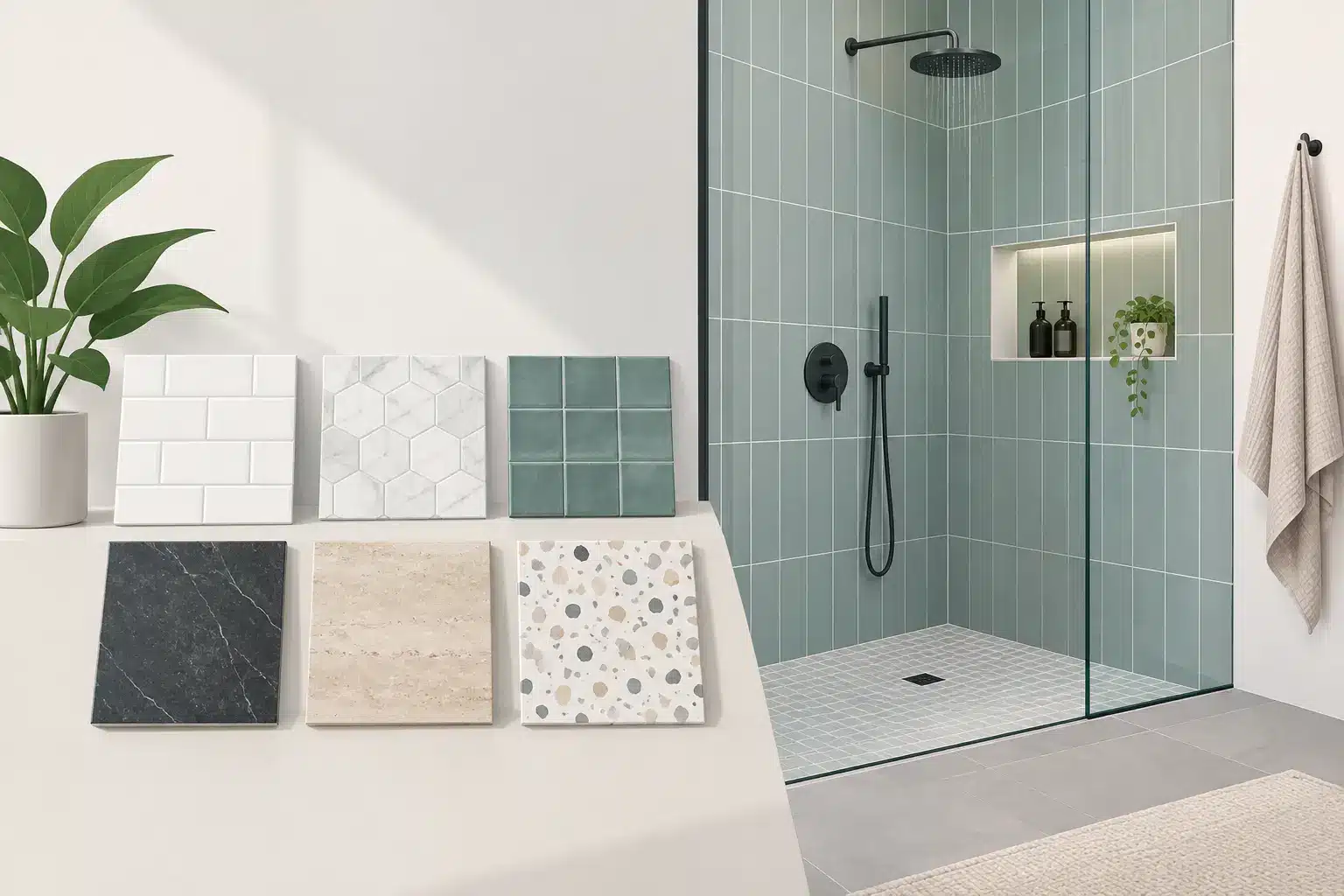
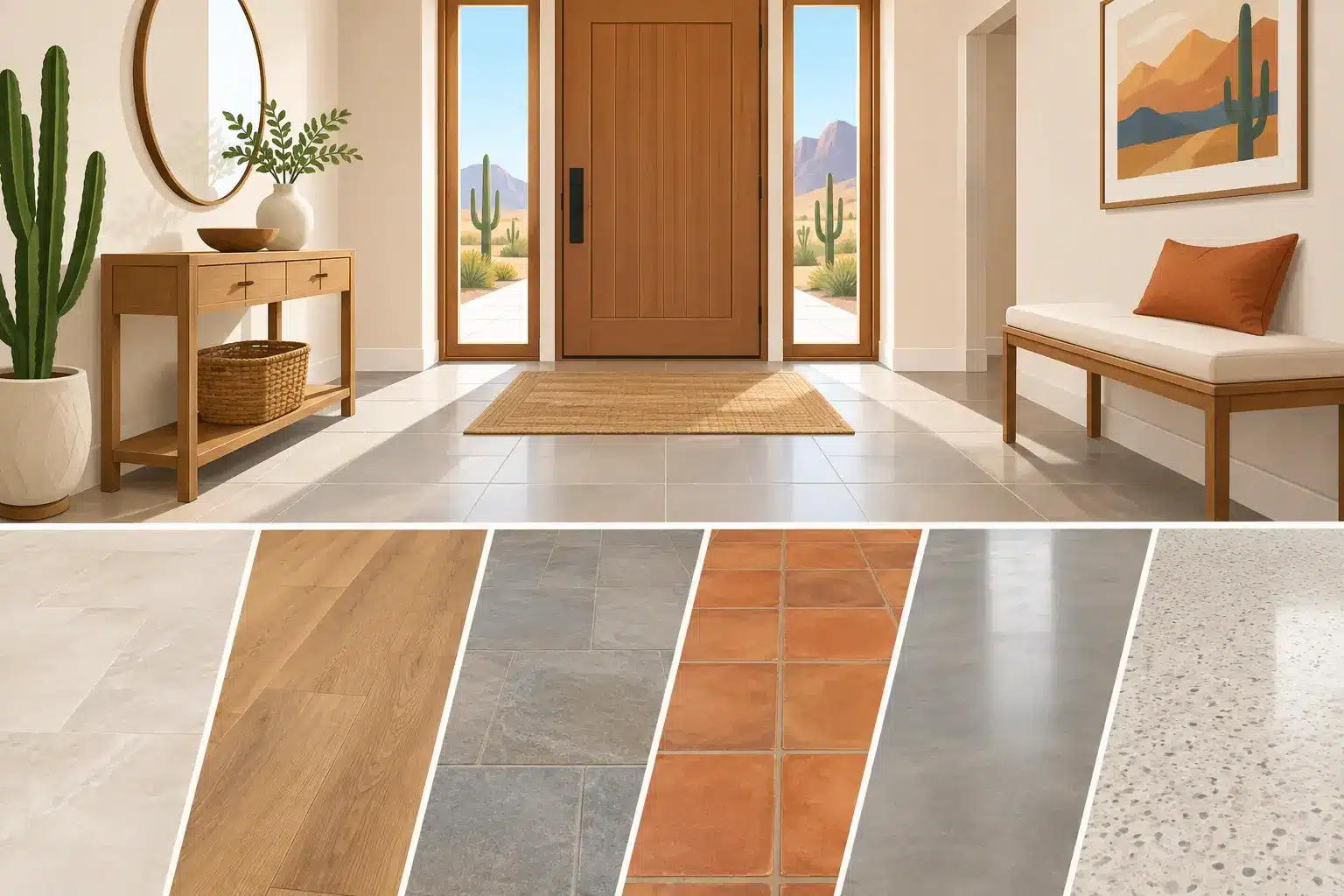
Vinyl tile gives buyers a wide range of design options. Stone-look tile works well in bathrooms, kitchens, laundry rooms, and entryways. Concrete-look visuals can suit contemporary homes, offices, and retail environments. Marble-inspired vinyl adds a polished appearance without the cold feel or maintenance requirements of natural stone.
Consider the size of the tile in relation to the room. Larger-format tiles can make an open space feel less busy, while smaller tiles may work well in a compact bathroom or a patterned installation. Groutable vinyl tile can create a more traditional ceramic-tile appearance, but it adds labor and requires grout selection. Non-groutable tile offers a cleaner installation process and easier everyday care.
Color deserves practical thought, too. Very dark floors can show dust and pet hair, while very light solid colors may reveal scuffs in busy spaces. A medium-tone tile with natural variation often hides daily wear better, particularly in households with children, pets, or frequent visitors.
Plan for Maintenance and Repairs
One reason vinyl tile remains popular is its straightforward upkeep. Sweep or vacuum regularly using a hard-floor setting, and clean with a manufacturer-approved neutral cleaner. Avoid harsh abrasives, steam cleaners unless specifically approved, and heavy wax products on luxury vinyl tile. Those products can dull the finish or leave a residue that attracts dirt.
Use felt pads beneath furniture and take extra care when moving appliances. Entry mats help limit grit that can act like sandpaper under shoes. In commercial settings, a simple cleaning schedule protects appearance and supports the floor’s expected lifespan.
It is also wise to order extra material from the same dye lot when possible. If a tile is damaged later by a dropped object, plumbing repair, or other accident, having matching material on hand can make repairs far easier.
Build the Budget Around the Full Project
The lowest price per square foot is not always the lowest project cost. Budget for flooring material, removal of existing flooring, subfloor repairs, moisture mitigation if needed, trim, transitions, moving furniture, and installation. These details vary by project, which is why an in-home estimate is more useful than a rough square-foot calculation alone.
For commercial buyers, consider downtime as well as material cost. A product that installs efficiently and holds up under your maintenance routine may offer better long-term value than a less expensive floor that needs earlier replacement or more frequent care.
Premium Carpet Tile Stone and Wood can help buyers compare vinyl tile samples, installation methods, and pricing based on the actual conditions of a Phoenix-area project. The right choice is the one that looks right in your space, holds up to your daily routine, and is installed on a foundation prepared to support it.



Leave A Comment