

A commercial floor has to do more than look good on opening day. It must handle daily foot traffic, rolling loads, cleaning routines, tenant turnover, and Arizona dust without creating an expensive repair cycle. This commercial flooring budget guide helps Phoenix-area property owners and business buyers set a realistic number before selecting materials or scheduling installation.
Commercial Flooring Budget Guide: Start With Project Scope
The fastest way to lose control of a flooring budget is to price products before defining the job. A square-foot price may look attractive, but it does not show the full cost of preparing the space, moving furniture, removing old flooring, or completing transitions at doors and adjoining rooms.
Start by identifying the total square footage, but do not stop there. Separate the space by use. A quiet private office may need a different flooring system than a busy lobby, retail aisle, restaurant entry, medical suite, or rental turnover unit. This allows you to put your budget where performance matters most instead of paying for the same specification throughout the building.
Measure for Waste and Layout
Flooring is rarely ordered at the exact size of the room. Cuts around walls, columns, doorways, and built-in fixtures create waste. Patterned carpet tile, directional luxury vinyl plank, large-format tile, and rooms with many angles may require more material than a simple open rectangle.
A professional measurement helps prevent both under-ordering and unnecessary overage. It also reveals items that a quick online estimate cannot see, including floor height differences, moisture concerns, damaged concrete, or areas where the existing floor must be removed carefully.
Define Performance Before Appearance
Color, pattern, and finish matter, especially in customer-facing spaces. Still, performance should lead the decision. Ask how the area will be used, who will walk on it, what will roll across it, and how often it will be cleaned.
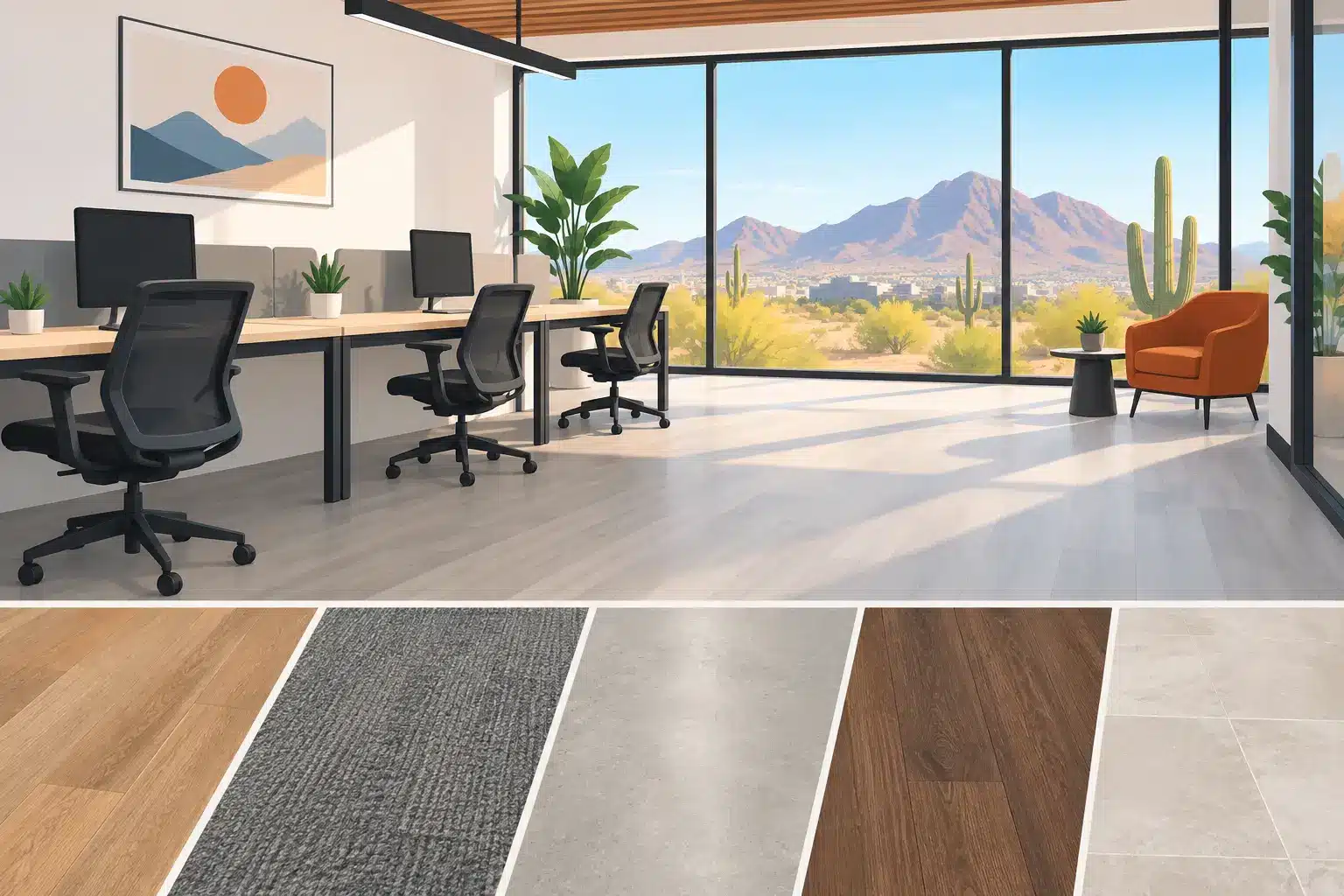
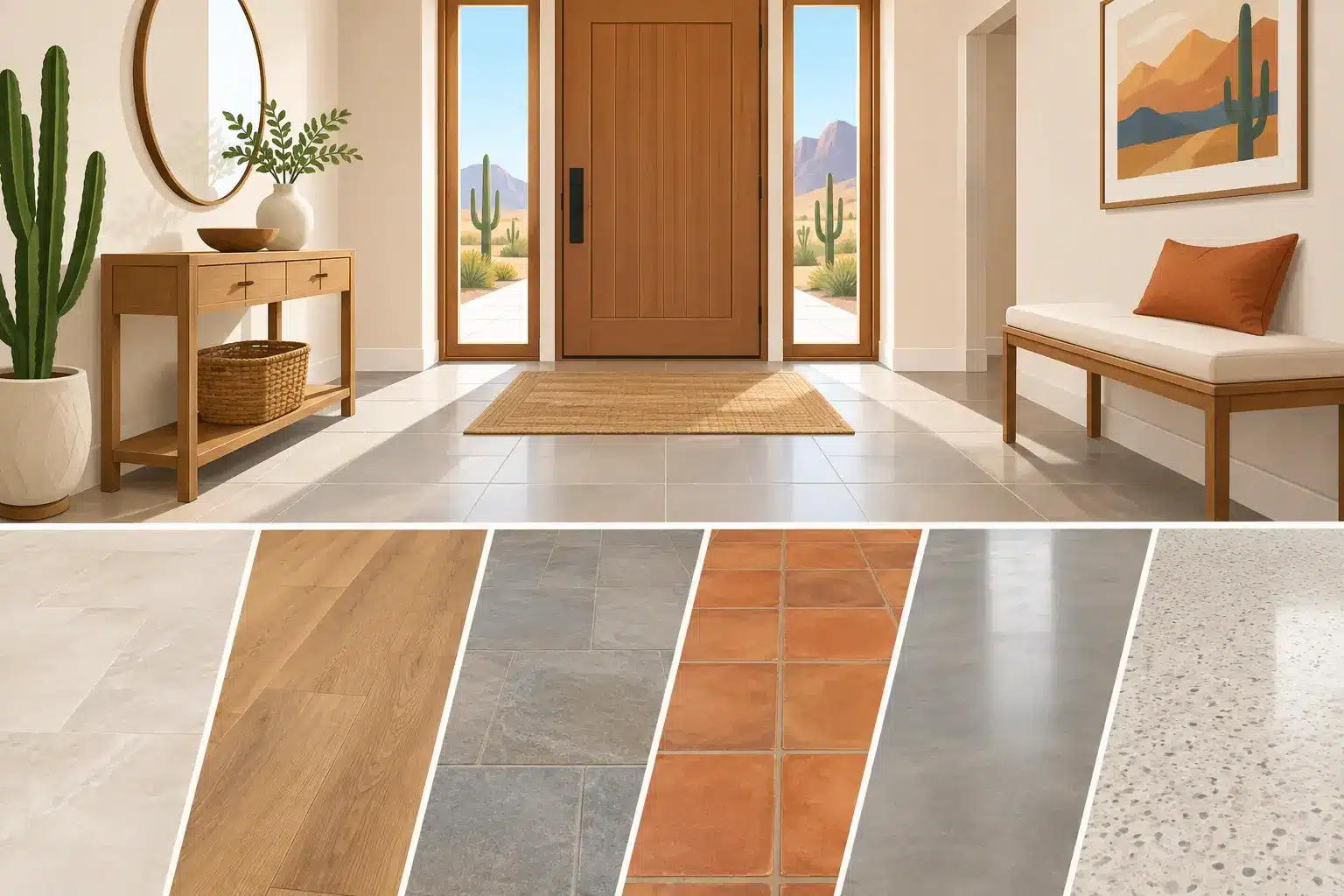
For example, a carpet tile with a commercial-grade backing can be a practical choice for offices because individual damaged tiles can often be replaced. Luxury vinyl plank or vinyl tile may work well in corridors, break rooms, and tenant spaces where water resistance and easy cleaning are priorities. Tile and stone can provide long-term durability in entries and high-traffic locations, but they require a sound, properly prepared substrate. The right material depends on the space, not just the initial price.
Build the Budget Around Material Options
Commercial flooring budgets usually include a mix of material costs rather than one product across every room. A blended approach can improve durability and appearance while keeping the total investment in line.
Carpet tile is often worth considering for offices, conference rooms, education spaces, and properties where acoustic comfort matters. It can help reduce noise and offers design flexibility through patterns, borders, and modular replacement. The trade-off is that carpet requires regular vacuuming and periodic professional cleaning, especially in dusty Phoenix environments.
Luxury vinyl plank and luxury vinyl tile provide a wide range of wood and stone looks at a generally more accessible installed cost than natural hardwood or stone. Commercial-rated vinyl products can be durable, but thickness, wear layer, backing, and manufacturer specifications vary significantly. A lower-cost option may be appropriate for a short-term lease or rental refresh, while a heavier-duty product can make more sense in a long-held property.
Porcelain tile is a strong candidate for entries, restrooms, kitchens, and high-moisture areas. It is durable and easy to maintain, but installation can cost more because surface preparation, layout, grout, and labor require careful planning. Natural stone creates a premium finish, particularly in upscale commercial interiors, yet it may need sealing and ongoing maintenance depending on the material.
Commercial sheet vinyl can be a practical choice for healthcare, education, and utility-focused spaces where cleanability is a priority. Hardwood can bring warmth and distinction to executive offices or boutique retail settings, although it is typically better suited to lower-moisture areas and requires a maintenance plan that protects the finish.
When comparing options, ask for a product recommendation based on traffic level, maintenance expectations, and the anticipated life of the space. The least expensive product is not always the lowest-cost choice once replacement timing and upkeep are considered.
Account for Installation and Preparation Costs
Material is only one part of the investment. Installation costs can vary widely based on the existing condition of the floor and the requirements of the chosen product. A complete quote should identify what is included so there are fewer surprises after work begins.
Old flooring removal may involve carpet, adhesive, vinyl, tile, wood, or multiple layers from previous remodels. Adhesive removal and tile demolition can take more labor than expected, particularly when the concrete slab needs to be restored afterward. In older commercial spaces, hidden conditions are common, which is why an on-site assessment matters.
Subfloor and concrete preparation are equally important. Vinyl, tile, and hardwood all require specific installation conditions. Uneven concrete may need patching or leveling. Moisture testing may be necessary when installing products that are sensitive to slab conditions. Skipping preparation to protect the upfront budget can lead to adhesive failure, gaps, cracking, or premature wear later.
Do not overlook transitions, baseboards, reducers, stair treads, moisture barriers, trim, and furniture moving. These details affect both the finished appearance and the final invoice. If the project needs to happen after business hours, in phases, or around occupied areas, labor planning can also influence cost.
Use Life-Cycle Cost to Make Better Decisions
A smart commercial flooring budget considers how long the floor should perform, not just what it costs this month. A landlord preparing a unit for a near-term tenant may choose a dependable, value-focused product that can be installed quickly. A business owner renovating a permanent location may decide that a more durable commercial product is the better investment over several years.
Maintenance should be part of that calculation. Carpet needs routine cleaning to preserve its appearance. Vinyl needs the correct cleaning products and protective measures for heavy furniture. Tile grout may require maintenance, while natural stone may need periodic sealing. A flooring professional can explain what each material requires before you commit to it.
It also helps to plan for repairs. Carpet tile and vinyl tile can offer an advantage in spaces where a single section may be damaged by spills, stains, or heavy traffic. With broadloom carpet, hardwood, or tile, a repair may be more involved depending on the location and availability of matching material.
Make Room for Contingency Without Overbuilding the Budget
Commercial remodeling often reveals conditions that were not visible during initial planning. Set aside a reasonable contingency for repairs, additional floor preparation, or minor scope changes. The right amount depends on the building’s age, the existing flooring, and how much information is available before demolition.
A contingency is not a reason to accept a vague proposal. Ask for a clear estimate that separates materials, installation, removal, preparation, and accessories. If there are possible additional charges, such as leveling beyond a certain condition, those should be explained in advance. Clear communication makes it easier to compare bids fairly.
For larger projects, consider phasing the work. Completing high-priority areas first can spread costs over time and reduce disruption to employees, tenants, or customers. This approach works best when the flooring selections are planned together so colors, transitions, and product availability remain consistent.
Get a Quote That Fits the Property
A useful flooring quote begins with an in-person conversation about the property, the timeline, and the expected use of each area. Bring photos, floor plans, finish samples, and any requirements from a tenant, property manager, or franchise brand. The more context provided early, the more accurate the recommendation can be.
Premium Carpet Tile Stone and Wood, LLC can help commercial buyers compare carpet, tile, stone, hardwood, luxury vinyl, and other options with product guidance shaped by more than 30 years of local experience. A showroom appointment and professional estimate give you the chance to review samples, discuss installation details, and make decisions with the full project cost in view.
The best flooring budget leaves room for the floor your property actually needs: one that supports daily operations, reflects the space, and remains a sound value long after installation day.





Leave A Comment