
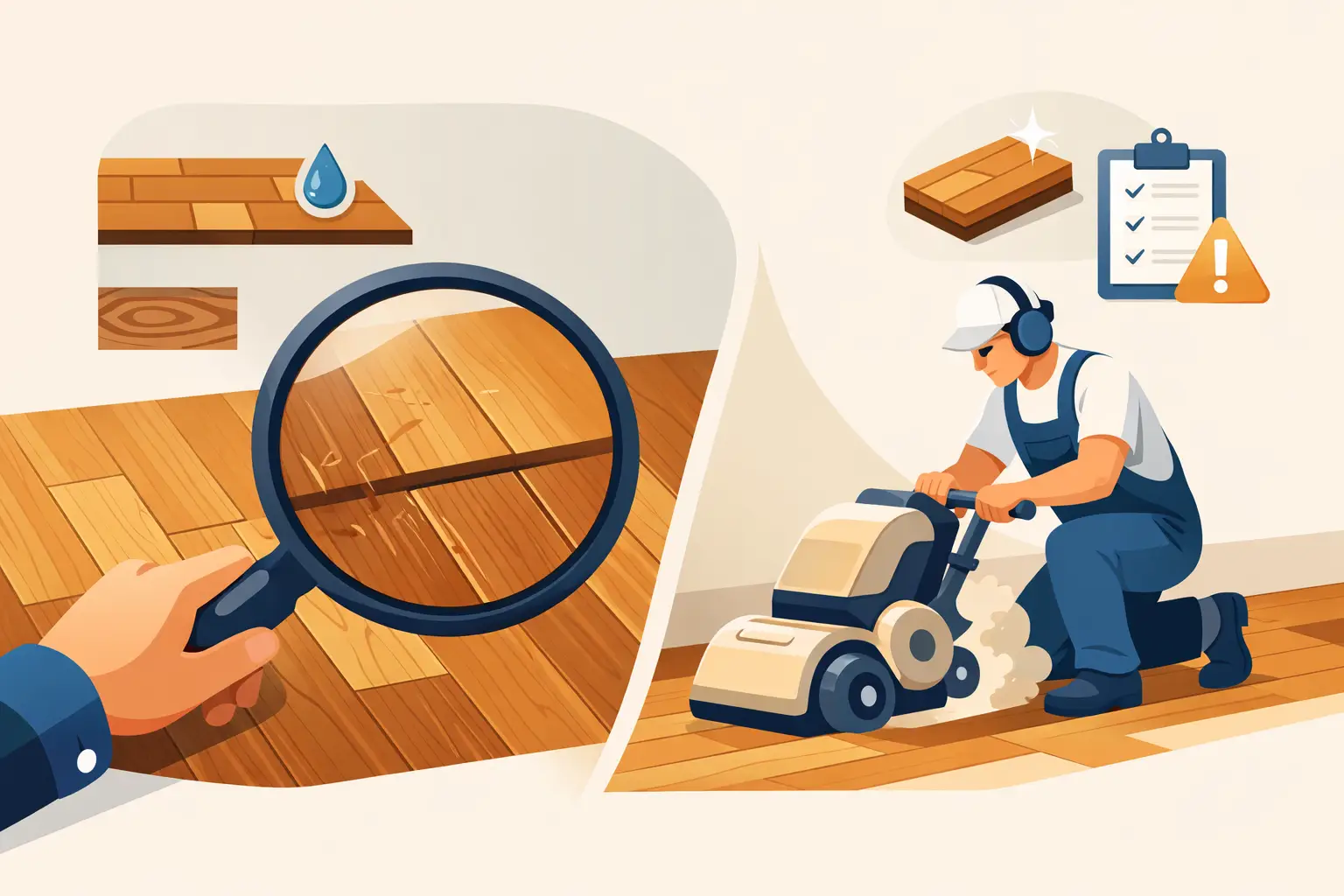
A worn hardwood floor can make an otherwise well-kept Phoenix home feel dated, but wear does not automatically mean the floor needs to be replaced. Can hardwood be refinished? In many cases, yes. The right answer depends on the type of wood, how much material remains above the tongue-and-groove joint, the condition of the boards, and the source of the damage.
Refinishing can bring back natural color, remove everyday scratches, and give a room a cleaner, more current look without changing the character of real wood. It is also a major decision: sanding removes a thin layer of flooring, and not every hardwood or wood-look product is built to handle it. A professional inspection is the most reliable way to protect your investment before selecting a finish or scheduling work.
Can Hardwood Be Refinished in Your Home?
Solid hardwood is usually the best candidate for refinishing. Traditional solid oak, maple, hickory, walnut, and similar floors are milled from one piece of wood. Because they have substantial material above the tongue, many solid hardwood floors can be sanded and refinished several times over their life.
Engineered hardwood requires a closer look. It has a real wood veneer on top of layered backing material, but the veneer thickness varies widely by product. Higher-quality engineered planks with a thicker wear layer may be refinished once, sometimes more. Thin veneers may only tolerate a light screen-and-recoat, or they may not be appropriate for sanding at all.
Laminate flooring cannot be refinished. Its decorative surface is a printed image protected by a wear layer, not natural wood. Luxury vinyl plank also cannot be sanded like hardwood. Both products can be excellent choices for certain homes and commercial spaces, but they need replacement rather than refinishing once the surface is badly damaged.
If you are unsure what is underfoot, look at a floor vent, doorway edge, or an unfinished area inside a closet. A flooring professional can also identify the product and measure the remaining wear layer before any work begins.
Signs Your Hardwood Is a Good Refinishing Candidate
Surface scratches, dull finish, light staining, minor pet marks, and color fading are often good reasons to consider refinishing. In Arizona, intense sunlight can fade wood unevenly near patio doors and uncovered windows. Sanding can remove much of that discoloration, while a new finish can provide stronger protection against daily wear.
Refinishing is especially worthwhile when the boards are stable and the damage is mostly on the surface. Floors that squeak occasionally or show small gaps in dry seasons may still be refinished, but those concerns should be evaluated before the finish work starts. Wood naturally expands and contracts, and Phoenix’s dry climate can make seasonal movement more noticeable.
A full refinish may not be the best first step if the finish is simply worn but the wood itself is in good condition. A screen-and-recoat can be a more affordable option. This process lightly abrades the existing topcoat and applies fresh finish without sanding down to bare wood. It works only when there is no wax, deep damage, peeling finish, or major contamination on the floor.
When Refinishing Is Not the Right Answer
Deep water damage is one of the most common reasons to consider repair or replacement instead. Boards that have cupped, buckled, separated severely, or developed black staining may have moisture damage below the surface. Sanding alone cannot correct an active moisture issue, and refinishing too soon can trap a problem that needs to be fixed first.
Floors may also be too thin to sand safely. On a solid hardwood floor, an experienced installer checks whether the top of the board has already been sanded close to the tongue-and-groove connection. Sanding beyond that point can weaken the boards and lead to cracking or failure.
Other concerns include widespread termite damage, extensive loose boards, structural subfloor issues, or large sections that have been patched with mismatched materials. A few damaged planks can often be replaced before refinishing. When repairs extend across much of the room, new flooring may offer a more consistent and cost-effective result.
What the Hardwood Refinishing Process Involves
Professional refinishing starts with preparation, not sanding. Furniture is removed, the room is inspected, and protruding fasteners are addressed. Any board repairs should happen before the finish work begins. Baseboards may be protected or removed depending on the scope of the project and the desired final appearance.
The floor is then sanded in stages to remove the old finish and smooth surface wear. Professional equipment with dust containment helps reduce airborne dust, although homeowners should still expect some disruption and plan to keep pets, children, and belongings out of the work area.
After sanding, the installer fills appropriate gaps and imperfections, then applies stain if the homeowner wants a color change. Natural wood does not absorb stain uniformly, especially across different species or repaired areas, so sample boards are valuable before making a final selection. A clear finish is then applied in multiple coats.
Water-based finishes generally dry faster and have lower odor, which can shorten the time a room is out of service. Oil-based finishes can provide a warmer amber tone and a traditional appearance, but they usually require longer drying and curing time. The best choice depends on the look you want, household schedule, sunlight exposure, and expected traffic.
Choosing a Finish for Arizona Living
A finish should support the way the space is used, not just the color of the room. A busy household with dogs, kids, and frequent guests may benefit from a durable matte or satin finish that helps disguise minor scratches. High-gloss finishes can look striking, but they tend to show dust, footprints, and surface marks more easily.
Sun protection matters in the East Valley. UV exposure can change the color of natural hardwood over time, particularly with warmer wood species and lighter stains. Window coverings, UV-filtering glass treatments, and area rugs placed thoughtfully can reduce uneven fading. Move rugs occasionally so the protected section of the floor does not age differently from the surrounding area.
Color changes also deserve careful consideration. Refinishing can make a floor lighter, warmer, darker, or more neutral, but very dark stain colors can highlight dust and pet hair. Extremely light or gray-toned stains may look different on red oak, white oak, maple, and hickory. The species and grain pattern matter as much as the stain sample.
Refinishing Versus Replacing Hardwood
Refinishing is often the better value when the existing floor is real wood, structurally sound, and compatible with your design goals. It preserves the material already in the home and can dramatically improve a room without the added cost of removing and installing an entire new floor.
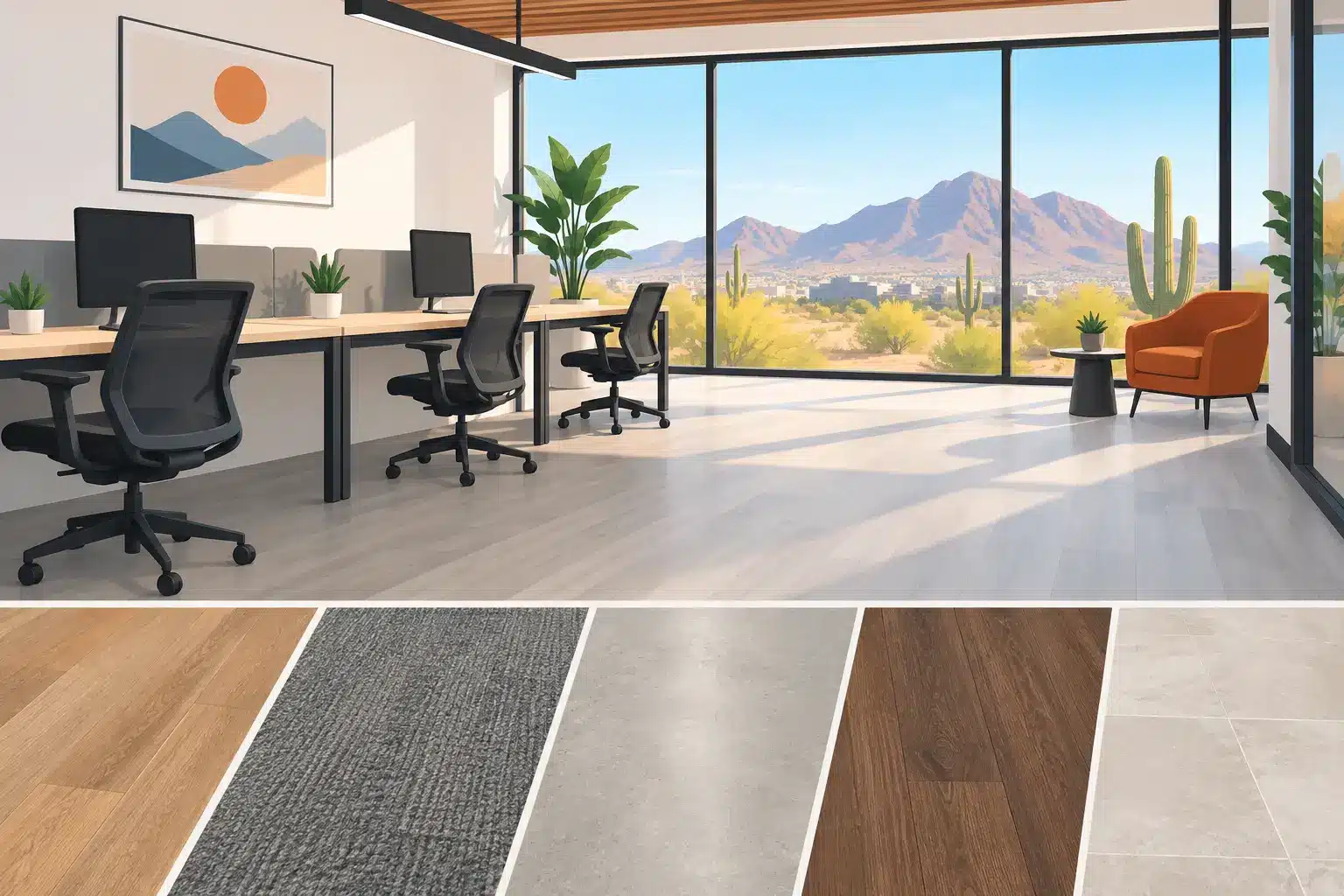
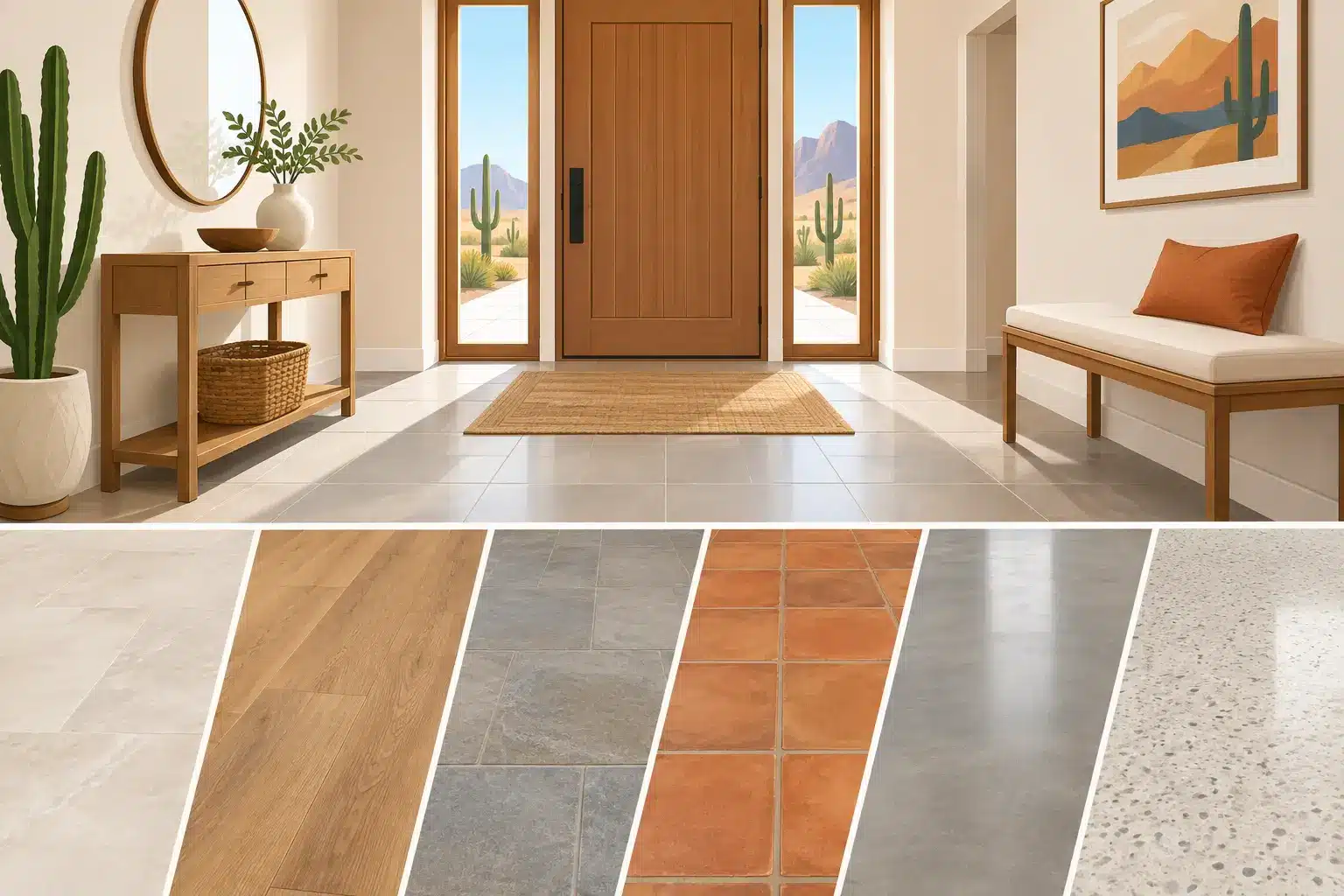
Replacement makes more sense when the floor is beyond repair, when you want a different plank width or wood species, or when the existing product cannot be sanded. It can also be the practical choice if you are updating several rooms and need one continuous flooring system. Modern engineered hardwood, luxury vinyl plank, tile, and carpet each offer different advantages for moisture resistance, comfort, maintenance, and budget.
The key is to compare the complete project, not just the price of sanding. Consider necessary repairs, transitions to adjacent rooms, baseboard work, furniture moving, finish cure time, and the long-term performance you expect from the floor.
Get the Floor Evaluated Before You Commit
A floor can look worn enough for replacement and still have years of life left. It can also look like solid hardwood while actually being a thin engineered product that needs a different approach. An in-home assessment gives you a clear answer before money is spent on the wrong repair.
Premium Carpet Tile Stone and Wood, LLC helps Phoenix and East Valley homeowners compare refinishing, repair, and replacement options based on the actual condition of the floor, the room’s use, and the budget for the project. Bring photos, measurements, or product samples to a showroom appointment, then use a professional evaluation to make the next step feel straightforward rather than uncertain.




Leave A Comment