
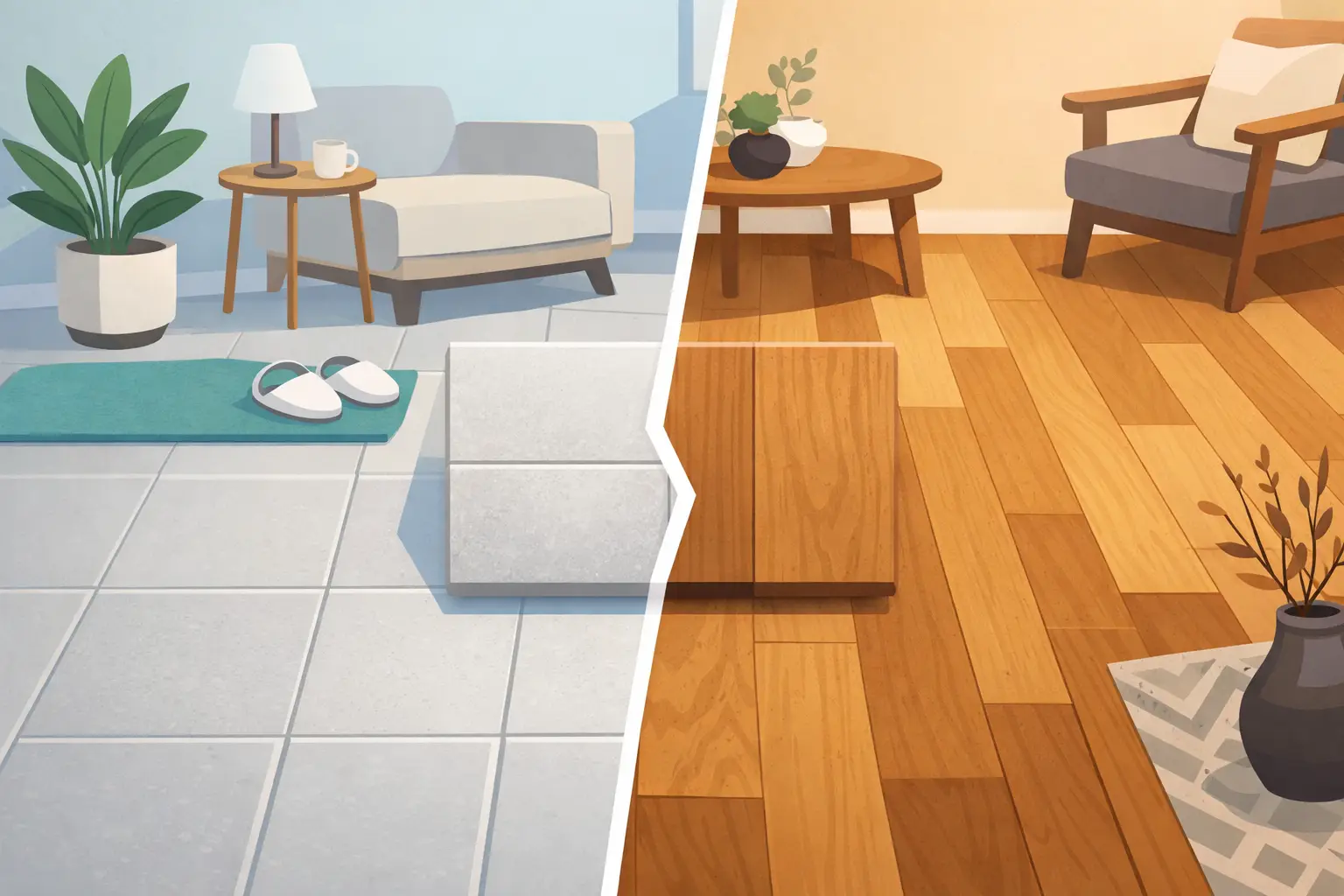
Choosing between tile vs hardwood flooring usually comes down to one practical question: how do you want the floor to live day to day? In Arizona homes and commercial spaces, that answer often depends on heat, foot traffic, moisture, maintenance expectations, and the overall look you want. Both materials are strong choices, but they perform differently enough that the right decision is rarely one-size-fits-all.
For some buyers, tile is the clear winner because it handles water, pets, and heavy use with less worry. For others, hardwood stands out because it brings warmth, natural character, and a more traditional finished feel. The best choice depends on where the flooring is going, how the space is used, and how long you plan to keep it.
Tile vs Hardwood Flooring for Everyday Living
If your top priority is durability with low stress, tile has a strong edge. Porcelain and ceramic tile hold up well to scratches, spills, and high traffic. That makes tile a practical fit for kitchens, bathrooms, laundry rooms, entryways, and many commercial settings. In Phoenix-area homes, tile also appeals to buyers who want a cooler surface underfoot during the hotter months.
Hardwood performs differently. It can last for decades and age beautifully, but it asks for more care. Solid and engineered wood floors are more vulnerable to standing water, dents, and scratching from pets or furniture. That does not mean hardwood is fragile. It means it works best when the environment is controlled and the customer understands what maintenance looks like over time.
A busy household with kids, dogs, and frequent backyard traffic may lean toward tile for peace of mind. A formal living room, office, or primary bedroom may be a better setting for hardwood, where comfort and appearance matter more than resistance to water and grit.
Appearance and Style Differences
Tile and hardwood create very different visual results. Hardwood gives you a natural grain pattern, warmth, and variation that many homeowners still consider the benchmark for classic interior design. It can make a room feel richer and more inviting, especially in living areas and bedrooms.
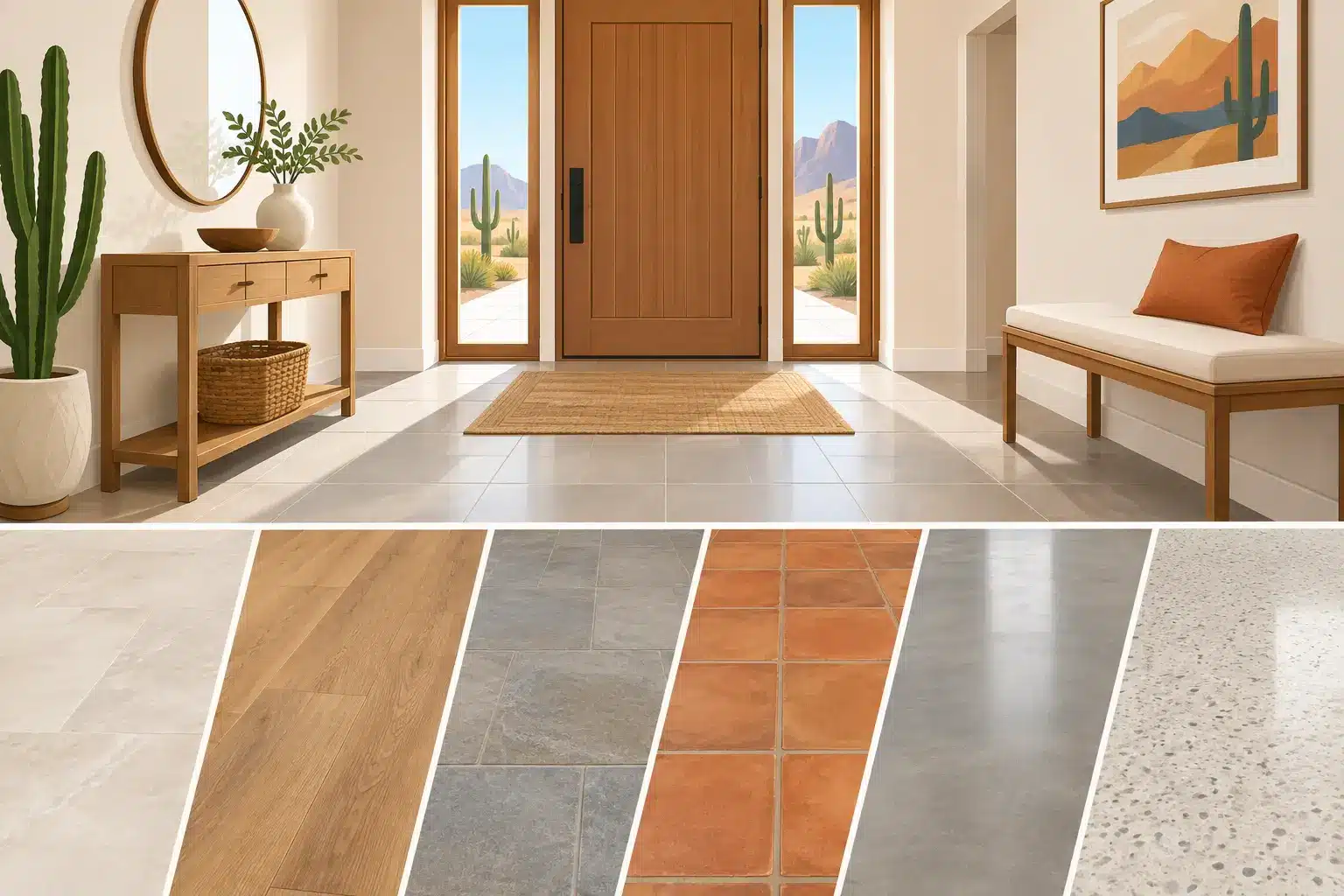
Tile offers more flexibility than many buyers expect. You can choose a clean stone look, a contemporary large-format style, or even wood-look tile that gives you the appearance of hardwood with easier maintenance. For customers who want design versatility, tile opens more options in color, texture, finish, and size.
This is one of those areas where personal preference matters a lot. Some clients want authentic wood and are not interested in substitutes. Others want the visual warmth of wood but need something better suited to pets, water, or rental use. That is where product selection and side-by-side samples make a real difference.
When Hardwood Feels Like the Better Design Choice
Hardwood usually stands out in spaces where comfort, resale appeal, and a natural high-end finish are the goal. It works especially well in living rooms, dining rooms, hallways, and bedrooms. If the rest of the home already has wood cabinetry, warm paint tones, or a more traditional style, hardwood often ties everything together more naturally than tile.
When Tile Makes More Sense Visually
Tile is often the better visual fit in bathrooms, kitchens, patios, and open-plan homes that need continuity from one high-use area to another. In modern homes, large tile can create a clean, expansive look. In Southwest interiors, stone-look and textured tile can also feel very at home.
Comfort Underfoot and Room Feel
One of the biggest trade-offs in tile vs hardwood flooring is comfort. Hardwood is softer and warmer underfoot. It tends to feel quieter, and many people simply find it more comfortable to stand or walk on for long periods. That matters in bedrooms, upstairs spaces, and rooms where people spend a lot of time barefoot.
Tile is harder and typically cooler. In Arizona, that cooler surface can be a benefit rather than a drawback, especially during long summers. Still, not every customer likes the firmness of tile in a whole-home installation. Some balance that by using tile in the main traffic areas and hardwood in the spaces where they want a softer feel.
Acoustics matter too. Hardwood can help a space feel less echo-heavy than tile, although both materials benefit from proper underlayment and installation. In commercial environments, that can become part of the decision, especially in offices or customer-facing interiors.
Moisture, Heat, and Arizona Conditions
Local conditions matter more than people sometimes realize. In the Phoenix and East Valley market, dry heat changes the conversation. Tile handles temperature swings and dry conditions extremely well. It is one reason so many Arizona homes use tile throughout large sections of the floor plan.
Hardwood can absolutely work here, but species choice, product type, and installation quality matter. Engineered hardwood is often preferred over solid wood in environments where stability is a concern. It generally handles changing indoor conditions better, especially when paired with proper acclimation and professional installation.
Moisture remains the biggest dividing line. Tile is the safer choice in bathrooms, laundry areas, and any room where spills or humidity are common. Hardwood is better reserved for dry interior spaces. If you want wood in a kitchen, it can be done, but you need to be realistic about wiping up water promptly and protecting the floor from wear.
Maintenance and Long-Term Upkeep
Tile is usually easier to live with from a maintenance standpoint. Regular sweeping and occasional mopping handle most day-to-day needs. Grout lines may need periodic cleaning or sealing depending on the product, but the tile surface itself is generally straightforward.
Hardwood requires a little more attention. Dirt and grit need to be removed regularly so they do not scratch the finish. Moisture should not sit on the surface. Over time, some hardwood floors may need refinishing to restore their appearance, which can be a major advantage because it extends the life of the floor. At the same time, refinishing is a cost and a project, so it should be part of the long-term picture.
For rental properties or commercial spaces where easy upkeep is the priority, tile often wins. For owner-occupied homes where appearance and long-term character matter most, hardwood can still be worth the added care.
Cost: Upfront Price vs Long-Term Value
Cost is rarely as simple as material price alone. Tile ranges widely in price depending on size, design, and whether you choose ceramic, porcelain, or natural stone. Installation can also vary because layout complexity, subfloor prep, and pattern work all affect labor.
Hardwood also has a broad price range. Solid hardwood typically costs more than many tile options, and premium species or wider planks increase the investment. Engineered wood may offer a more budget-friendly path depending on the product. Installation, surface prep, and finish level all matter here as well.
The better question is value, not just price. Tile often delivers strong value in high-use spaces because it lasts and resists damage. Hardwood can add long-term appeal and may carry stronger emotional value for buyers who specifically want real wood. If resale is part of the conversation, neighborhood expectations and home style should be considered, not just general rules.
Best Rooms for Tile vs Hardwood Flooring
Tile is usually the safer and more practical choice for bathrooms, kitchens, laundry rooms, mudrooms, entryways, and many commercial applications. It also makes sense in homes where pet traffic, pool access, or constant in-and-out use would be hard on wood.
Hardwood is often the better fit for living rooms, dining rooms, bedrooms, home offices, and other dry spaces where comfort and visual warmth are priorities. In some homes, a mixed-material approach gives the best result. You do not always need one flooring type everywhere to create a cohesive design.
That is often the most practical answer for real projects. A customer may choose tile in the main living areas for durability, then use hardwood in bedrooms to soften the feel of the home. Another may prefer hardwood throughout the main space and reserve tile only for wet areas. Both can be right.
How to Make the Right Choice
The best flooring decision usually comes from matching the product to the way the space is actually used, not the way you hope it will be used. If you want the least amount of maintenance and the most moisture resistance, tile is hard to beat. If you want natural beauty, warmth, and a more traditional upscale feel, hardwood often earns its place.
A good flooring decision also depends on product quality and installation. Even the best material can disappoint if it is poorly matched to the room or installed without proper preparation. That is why many local buyers prefer to compare samples in person, talk through traffic levels and budget, and get guidance based on the actual property rather than generic advice. At Premium Carpet Tile Stone and Wood, LLC, that hands-on process is a big part of helping customers avoid expensive mistakes.
If you are deciding between the two, start with the room, your maintenance comfort level, and how long you want the floor to serve you. The right answer is the one that still feels right after the excitement of the remodel wears off.



Leave A Comment