
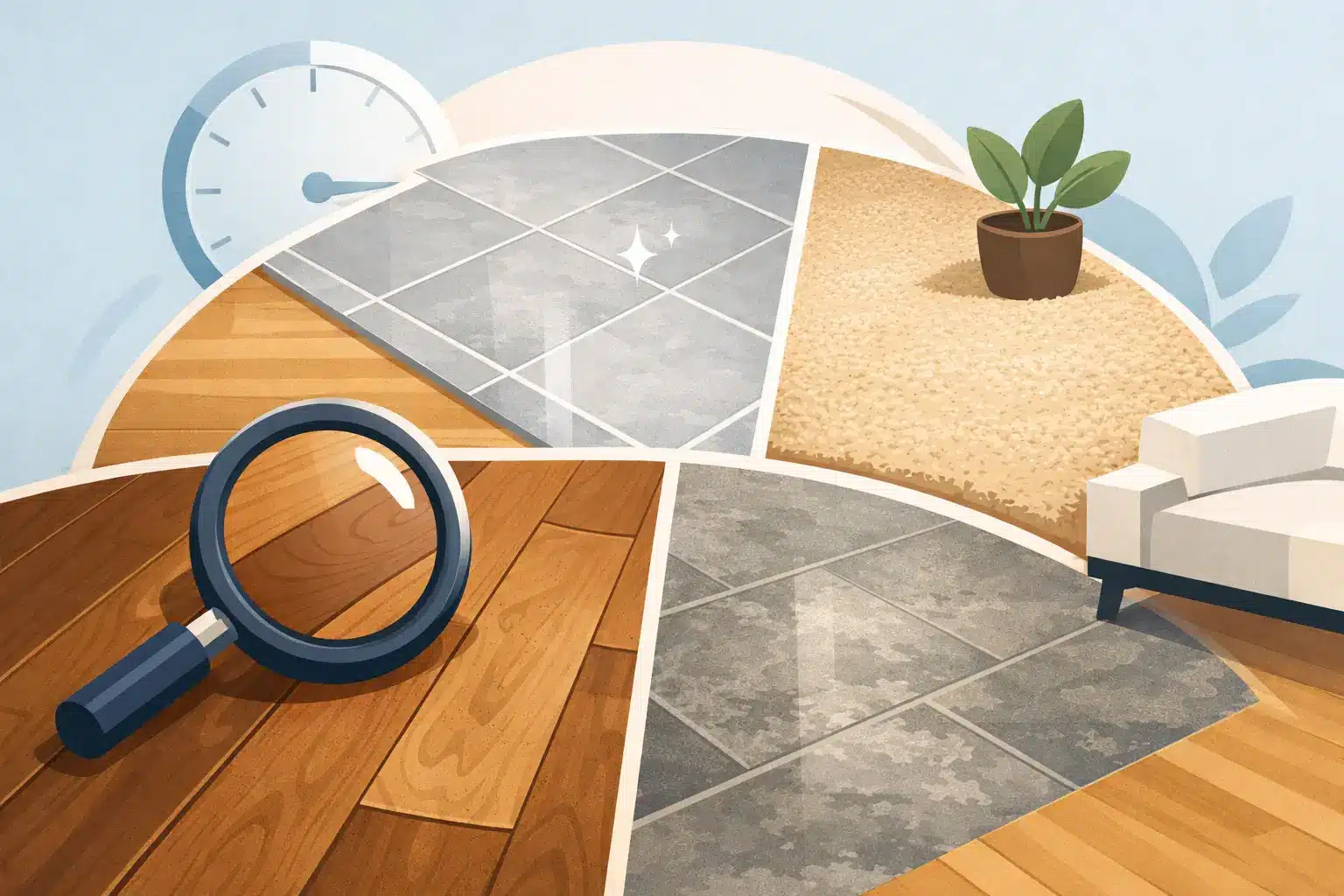
If you’re asking what flooring lasts longest, you’re probably not looking for the cheapest box on the shelf. You’re looking for a floor that still makes sense years from now – after foot traffic, pets, spills, moving furniture, and day-to-day wear have done their part.
The honest answer is that the longest-lasting flooring is usually tile or natural stone, with properly maintained hardwood also ranking very high. But the best choice depends on where the floor is going, how much abuse it will take, and how much maintenance you’re willing to live with. For Phoenix-area homes and commercial spaces, heat, dust, and heavy use can shift the answer from one room to the next.
What flooring lasts longest in real-world use?
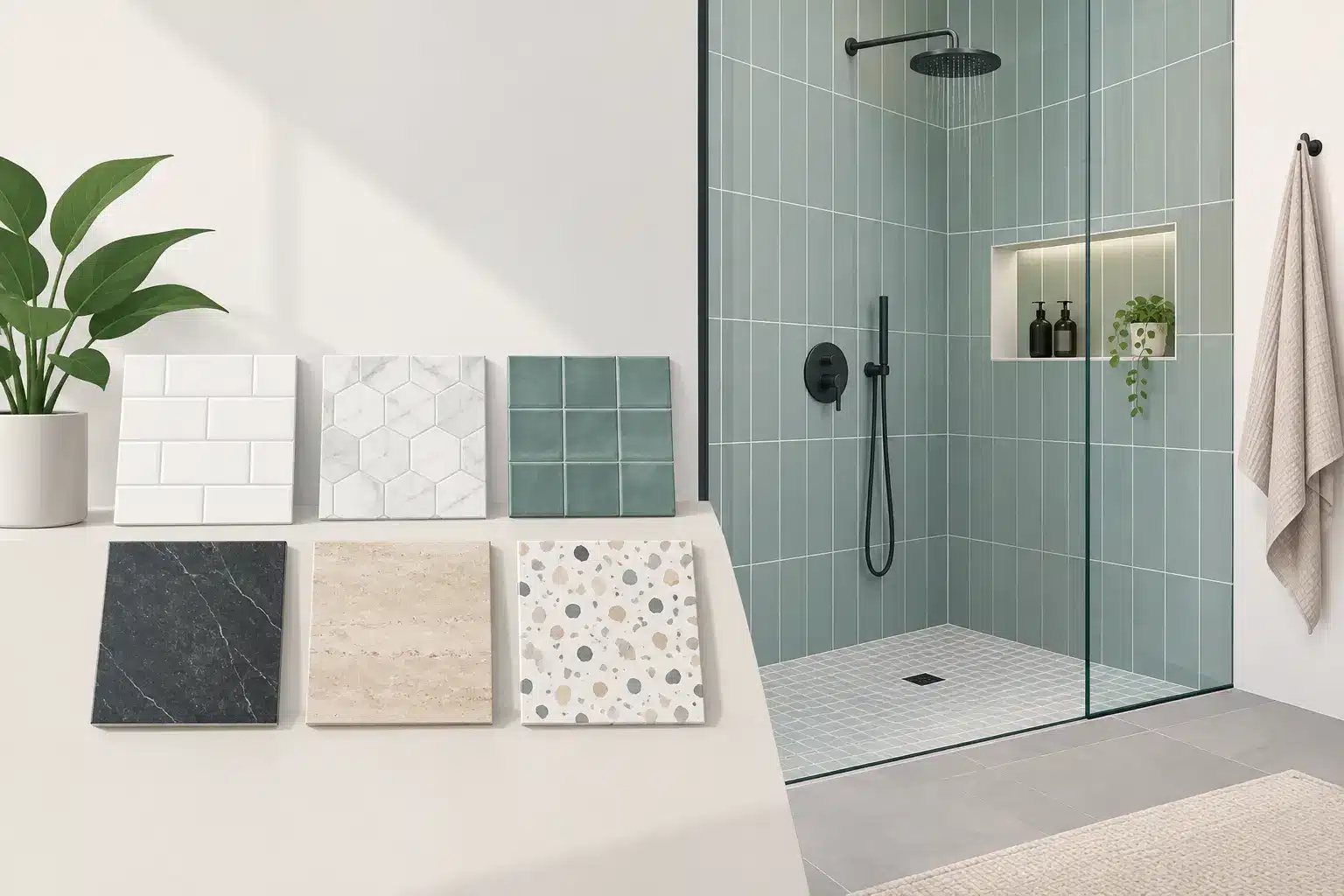
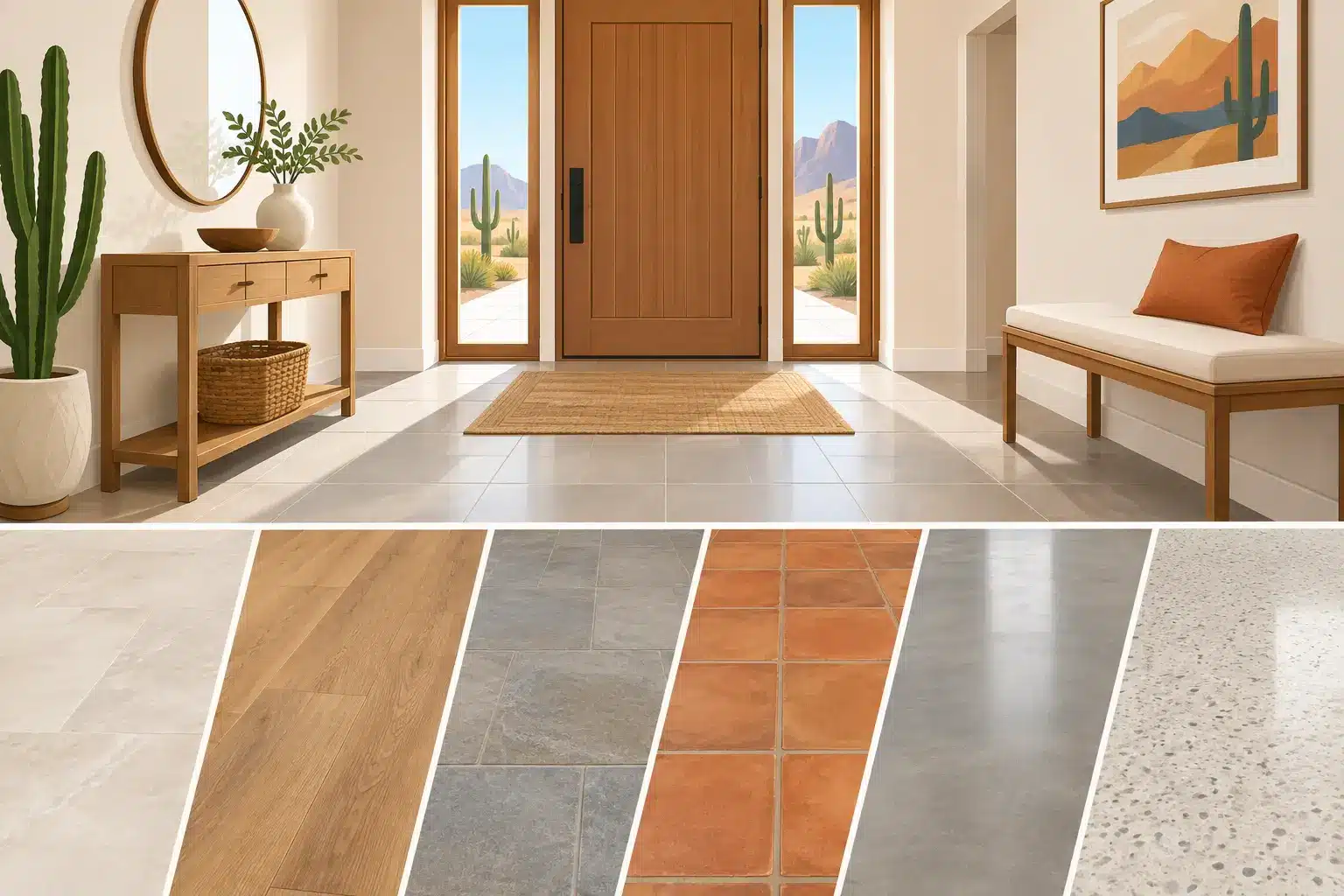
If lifespan is the only measure, porcelain tile is one of the strongest answers. It resists scratches, moisture, dents, and fading better than most other materials. In a well-installed space, porcelain tile can last for decades. That’s why it remains a go-to option for kitchens, bathrooms, entryways, and many commercial settings.
Natural stone can last even longer, but it comes with more responsibility. Materials like slate, travertine, and granite are extremely durable, yet they need proper sealing and the right care. Stone also has a higher upfront cost, and some varieties are more porous than others. When buyers want long-term performance and a premium look, stone is hard to beat, but it is not a low-maintenance choice.
Hardwood also deserves a place in this conversation. A quality solid hardwood floor can last for generations because it can be sanded and refinished multiple times. That matters. Some flooring products look good for a while and then need full replacement. Hardwood, when cared for properly, gives you another path – restoration instead of replacement.
Luxury vinyl plank has improved dramatically and offers excellent durability for many households and commercial applications, but it usually does not outlast tile, stone, or solid hardwood over the very long term. It performs well, especially in busy homes, but most vinyl products cannot be refinished. Once the wear layer is spent or the planks are deeply damaged, replacement is usually the next step.
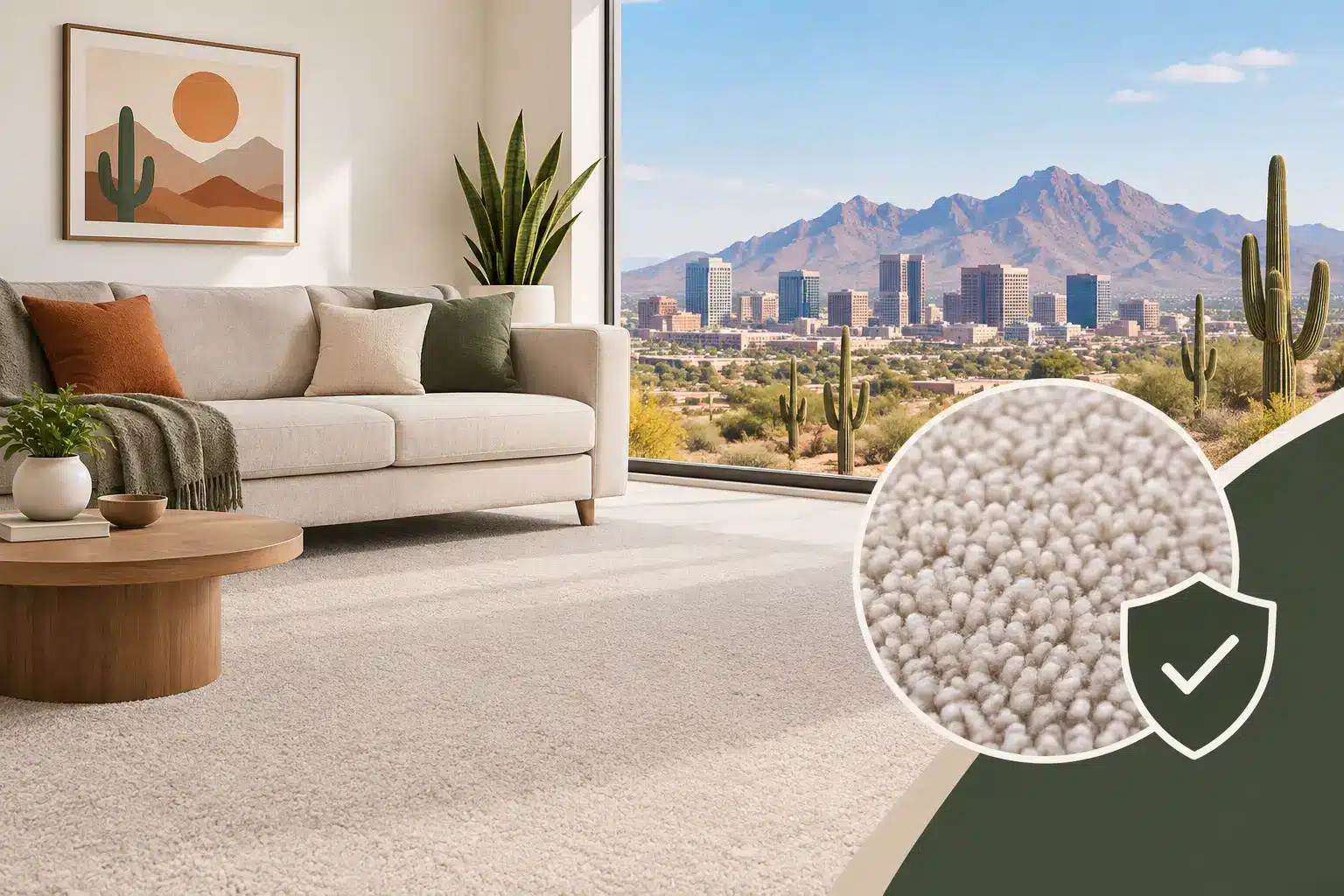
Carpet generally does not rank first when the question is what flooring lasts longest. Even high-quality carpet wears faster than hard surfaces in high-traffic areas. That said, carpet still makes sense in bedrooms, offices, and spaces where comfort and sound control matter more than maximum lifespan.
Lifespan by flooring type
A simple lifespan estimate helps narrow the field, but product quality and installation matter as much as the category itself.
Porcelain and ceramic tile
Tile is one of the safest answers for buyers focused on longevity. Porcelain, in particular, is dense, hard, and highly resistant to moisture and wear. Ceramic tile can also last a long time, though porcelain is generally tougher. Grout lines may need maintenance before the tile itself does, so the full system matters, not just the surface.
Natural stone
Stone has exceptional staying power when installed correctly and maintained on schedule. It can easily serve a property for decades. The trade-off is upkeep. Some stone floors need sealing, careful cleaning products, and attention to finish wear. Buyers who want timeless appearance and long service life often feel that trade-off is worth it.
Solid hardwood
Hardwood’s advantage is not that it ignores wear. It does not. It scratches, dents, and reacts to moisture more than tile or stone. Its strength is that it can be renewed. In living rooms, bedrooms, and other dry interior areas, hardwood can remain a long-term investment rather than a short-term finish.
Engineered wood
Engineered wood can last a long time, but not all products are equal. Thicker wear layers give better long-term value because they may allow refinishing. Lower-end options have less room for repair. For buyers who want the wood look with more dimensional stability, engineered wood can be a smart middle ground.
Luxury vinyl plank and vinyl tile
LVP and LVT are practical, durable, and easier on the budget than many premium hard surfaces. They resist moisture well and hold up nicely in active homes. For rentals, family homes, and certain light commercial spaces, vinyl often delivers strong value. It just usually is not the absolute longest-lasting material if you’re thinking in terms of several decades.
Carpet
Carpet works best when comfort is the priority and wear expectations are realistic. In bedrooms and lower-traffic areas, quality carpet can perform well for years. In hallways, stairs, and busy common areas, it tends to show age faster than hard flooring.
The longest-lasting floor is not always the best floor
This is where many buyers get tripped up. The most durable material on paper is not automatically the right fit for every room.
Tile may last the longest, but some homeowners do not want a harder underfoot surface throughout the entire house. Hardwood may offer beautiful long-term value, but it is not ideal for every moisture-prone area. Stone may be incredibly durable, but the maintenance and cost can be more than some projects need.
A rental property owner may care more about low replacement cost and easy turnover than a 50-year lifespan. A family with large dogs may prioritize scratch resistance over refinishing potential. A business owner may need a floor that holds up well and keeps maintenance simple for staff.
That is why the right question is often not just what flooring lasts longest. It is which flooring lasts longest for the way you actually use the space.
What matters most for Phoenix and East Valley properties
Arizona conditions affect flooring choices more than many people realize. Heat, dry air, tracked-in dust, and intense sun exposure all influence long-term performance.
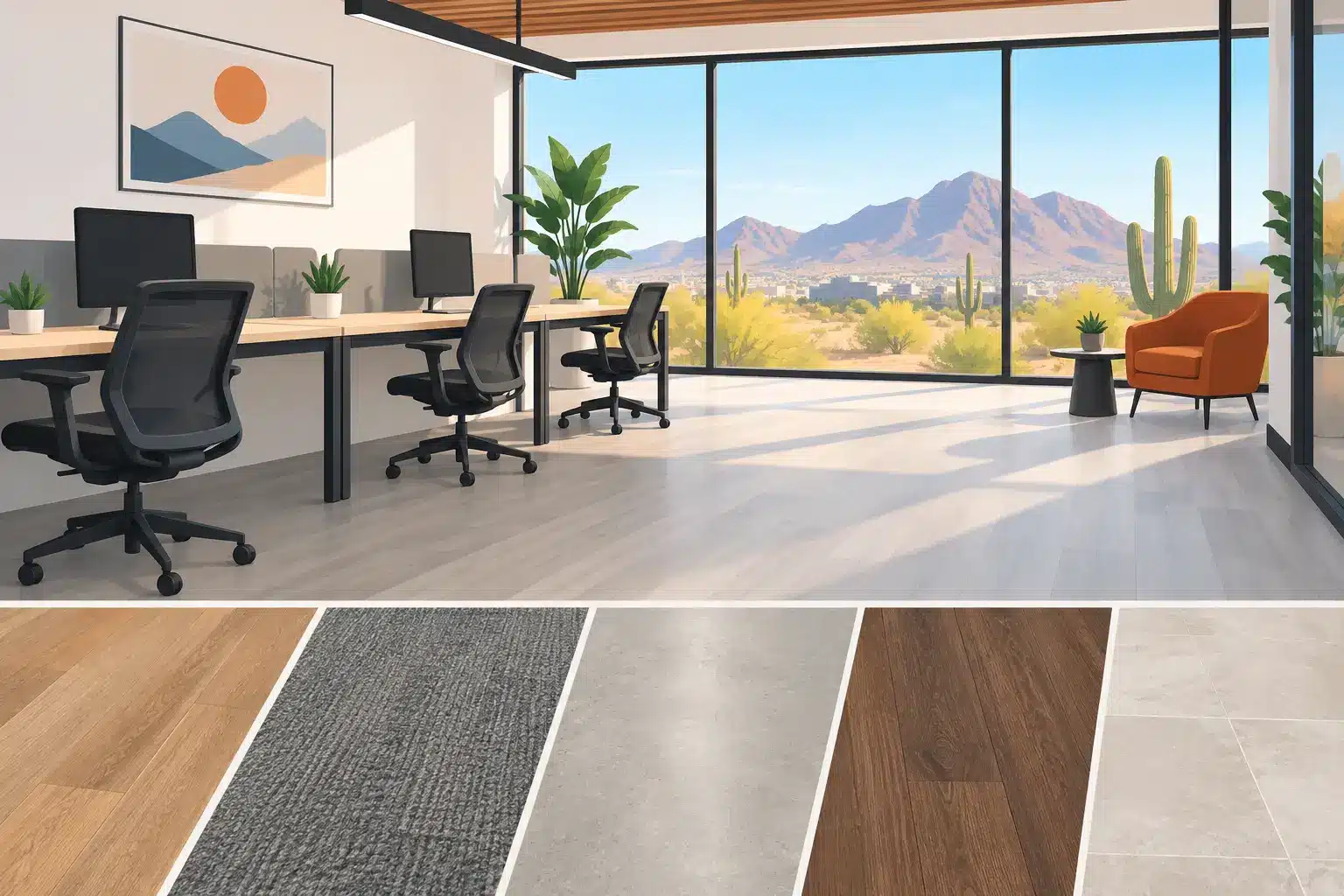
Tile remains especially popular in the Phoenix area for good reason. It handles heat well, stands up to dirt and traffic, and fits the practical needs of many local homes. In commercial settings, tile also provides the kind of wear resistance that busy entrances and work areas demand.
Hardwood can still be an excellent option, but product selection and installation have to be handled carefully. Moisture swings may be smaller than in humid regions, yet dry conditions and indoor climate control still affect wood movement. Choosing the right construction and making sure installation is done properly matters.
Luxury vinyl can also perform well in this market, especially for buyers who want durability, easier maintenance, and a softer budget. Not every project calls for the longest possible lifespan. Sometimes the better value is a floor that performs reliably for many years at a more approachable price point.
Installation has a lot to do with how long flooring lasts
A durable product installed poorly will not give you a durable result. This is one of the biggest reasons flooring lifespans vary so much from one property to another.
Subfloor prep, moisture evaluation, layout, expansion allowances, grout quality, adhesives, and transitions all matter. Tile can crack if the foundation underneath is not addressed correctly. Hardwood can develop movement issues if installation conditions are ignored. Vinyl can fail early if the subfloor is uneven.
That is why buyers who want long-term performance should look beyond product labels. Material quality matters, but so does choosing the right floor for the room and having it installed with care.
How to choose if durability is your top priority
If you want the safest long-term choice for heavy-use areas, porcelain tile is hard to argue against. It works particularly well in kitchens, bathrooms, hallways, and many commercial environments.
If you want top-tier longevity with a high-end look and are comfortable with maintenance, natural stone is a strong contender. If you want a floor with long life and the ability to restore rather than replace, solid hardwood stands out in the right interior spaces.
If you want a balance of durability, water resistance, appearance, and price, luxury vinyl deserves serious consideration. And if comfort matters most in specific rooms, carpet can still be the right call even if it is not the longevity leader.
For many buyers, the best result is not using one flooring type everywhere. It is combining materials based on how each space is used. That approach often gives better long-term value than forcing one product into every room.
At Premium Carpet Tile Stone and Wood, LLC, that is usually where the conversation starts – not with a one-size-fits-all answer, but with how you live, what your space demands, and what kind of return you want from your flooring investment.
When you choose flooring with both lifespan and fit in mind, you are much more likely to be happy with it years down the road. The floor that lasts longest is the one that was right for the room from the start.


Leave A Comment