

One flooring sample can look perfect under showroom lights and completely different once it is in your kitchen, office, or rental property. That is why knowing how to choose flooring material starts with more than color or price. The right choice has to fit how the space is used, how much wear it will take, how much maintenance you want, and what kind of value you expect over time.
For buyers in Phoenix and the East Valley, that decision also comes with local factors. Heat, dust, foot traffic, pets, pool access, and the need for easy cleaning all shape what works best. A floor that looks great on day one but fights your lifestyle every week is usually the expensive option in the long run.
How to Choose Flooring Material for Real Life
The easiest way to make a smart decision is to start with the room, not the product. A flooring material should match the demands of the space before it matches a design board.
In a busy family room, durability and scratch resistance usually matter more than a high-gloss finish. In a formal living area, appearance may carry more weight because the traffic is lighter. In a commercial setting, cleaning requirements, safety, and lifespan often matter just as much as the initial price.
This is where many buyers get stuck. They compare hardwood, tile, carpet, and luxury vinyl plank as if one is universally better. It is not. Each one has strengths, trade-offs, and best-use situations.
Start With the Five Factors That Matter Most
1. Traffic and daily wear
Think honestly about who uses the space. Kids, pets, customers, rolling office chairs, and frequent guests all create different kinds of wear. A low-traffic guest room gives you more flexibility than a hallway, retail area, or open-concept main living space.
Tile, stone, and many luxury vinyl products tend to perform well in high-traffic areas because they resist wear and are easier to clean. Carpet can still be a strong choice in bedrooms and certain office environments, but it may not be the best fit for spaces that see heavy dirt, moisture, or constant movement.
2. Moisture exposure
Bathrooms, kitchens, laundry rooms, entryways, and pool-adjacent spaces need special attention. Moisture changes the equation fast. Some materials handle spills and humidity with very little concern, while others require more caution.
Tile and luxury vinyl are often popular in moisture-prone areas because they hold up well and are relatively easy to maintain. Hardwood can be beautiful, but in wet environments it takes more discipline and may not be the most practical choice. Natural stone performs well, but the specific stone and finish matter because some require sealing and regular care.
3. Maintenance expectations
Every floor needs upkeep, but not every buyer wants the same level of commitment. Some people are happy to follow a more careful cleaning routine if it means getting a premium natural look. Others want something forgiving that can handle everyday life without much thought.
Carpet needs regular vacuuming and can hold onto dust and stains more than hard surfaces. Hardwood may need more careful maintenance to protect its finish. Tile is generally easy to clean, though grout can require attention. Luxury vinyl plank appeals to many homeowners and property owners because it offers a clean look with straightforward maintenance.
4. Budget now versus value over time
The lowest price per square foot is not always the best value. Installation costs, subfloor preparation, longevity, repairability, and maintenance all affect the real cost of a flooring decision.
For example, carpet may offer an attractive upfront price for certain rooms, while tile or luxury vinyl may make more sense in areas where durability matters. Hardwood and natural stone often carry a higher initial investment, but they can deliver long-term visual appeal and strong property value when used in the right setting.
5. Style and overall design
Flooring should support the look of the space, but style works best when it is grounded in function. Wide-plank wood visuals can help a home feel warm and current. Large-format tile can create a clean, open look. Patterned carpet tile may work well in commercial interiors where design and practicality both matter.
Still, trends come and go. If you are choosing flooring for a long-term home or a business location that needs staying power, it often makes sense to lean toward timeless colors and materials that will age well.
Comparing the Most Common Flooring Options
Carpet
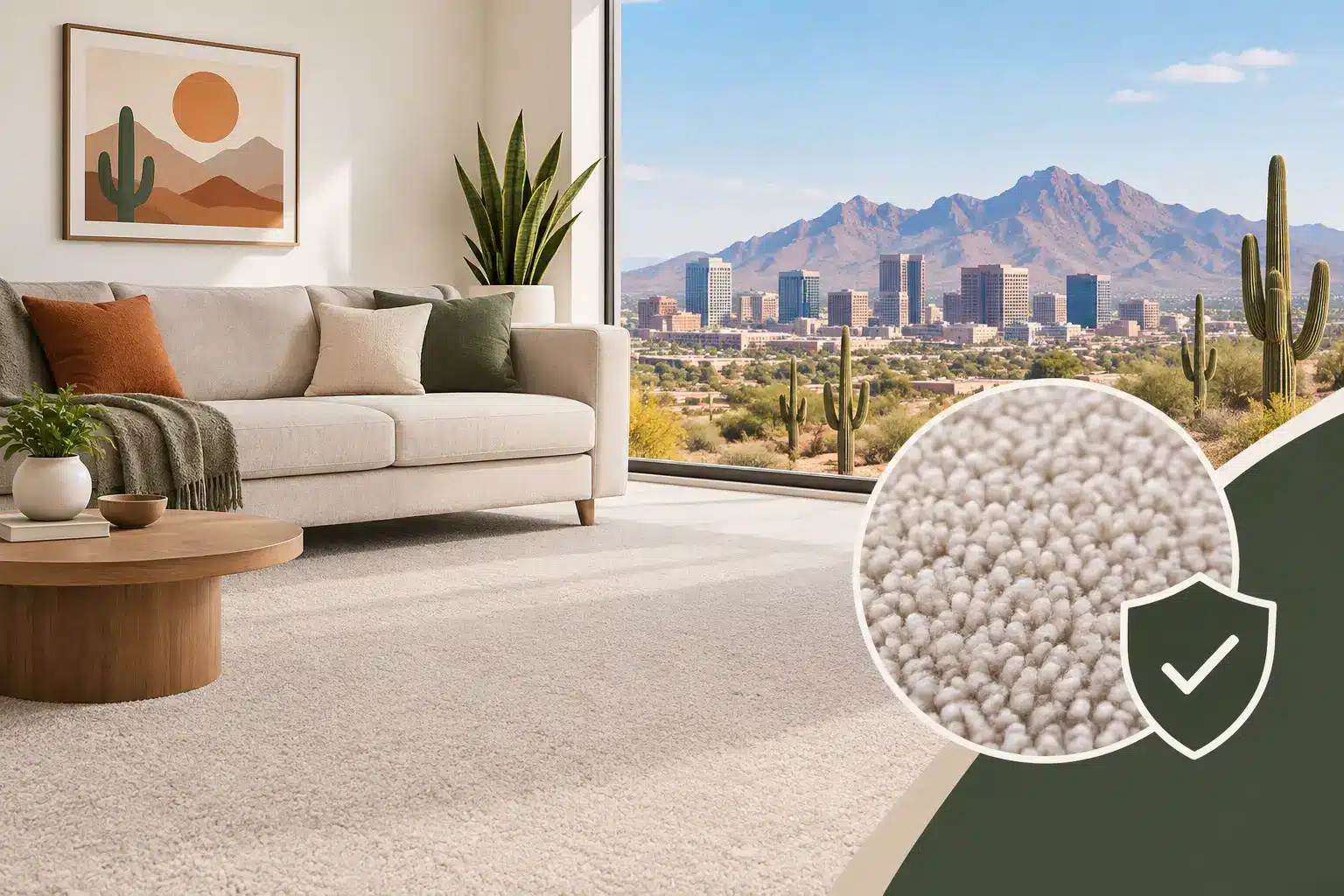
Carpet is still a solid option when comfort matters most. It softens bedrooms, adds warmth, and can reduce noise in both homes and some commercial spaces. It also comes in a wide range of price points, colors, and textures.
The trade-off is maintenance and wear. Carpet is more likely to show stains, trap allergens, and compress in high-traffic zones over time. If you want softness underfoot and the room is relatively low traffic, carpet can be a very good choice. If the space gets heavy use, you may want to consider a harder surface.
Tile
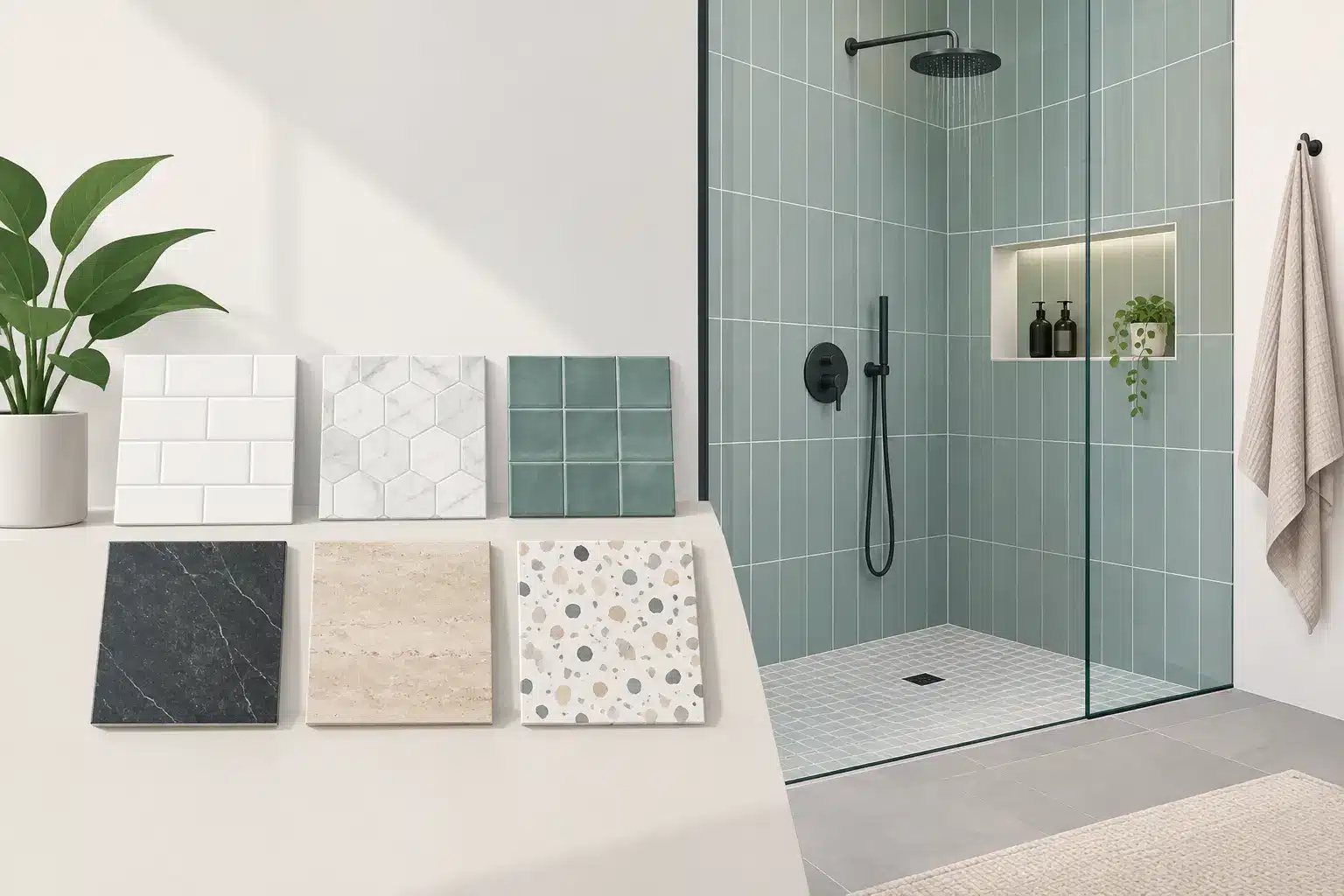
Tile is one of the most practical flooring materials for Arizona homes and businesses. It handles heat well, cleans easily, and performs in high-traffic and moisture-prone areas. It also offers a wide range of looks, from stone visuals to wood-look planks and contemporary large formats.
Its main downside is comfort. Tile can feel hard and cool underfoot, which some buyers love and others do not. Grout maintenance is another factor, especially in busy households or commercial settings.
Natural stone
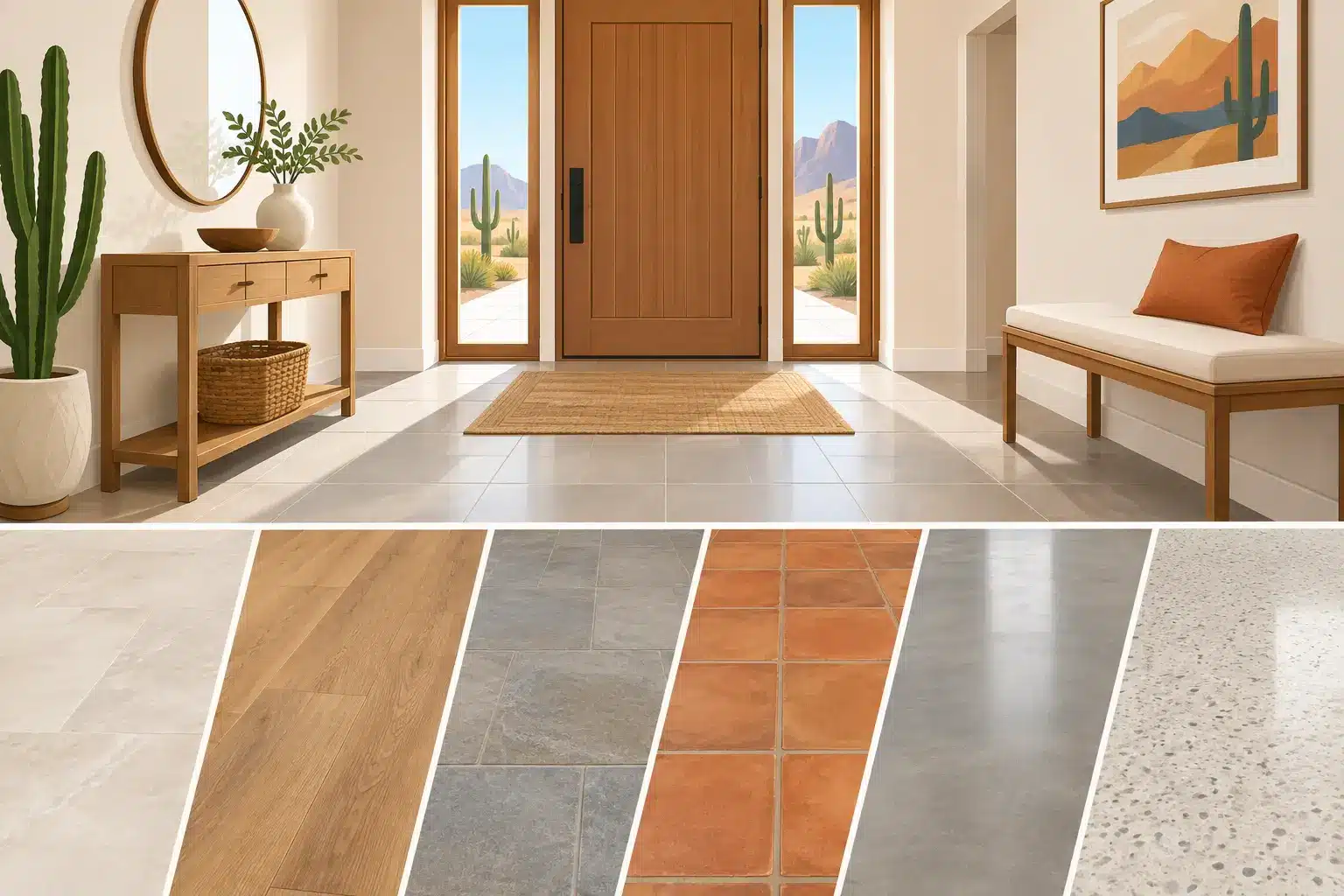
Stone delivers a premium, high-end appearance that few materials can match. It can work beautifully in entryways, living spaces, bathrooms, and upscale commercial interiors. Each piece has natural variation, which gives the floor character and depth.
That said, stone is not a casual purchase. It usually costs more, may require sealing, and can be less forgiving if you want a simple, low-maintenance floor. It is best for buyers who value the look enough to accept the upkeep.
Hardwood
Hardwood remains one of the most desired flooring options because it adds warmth, resale appeal, and a classic finish. In the right room, it is hard to beat.
But hardwood is also a material where placement matters. It is generally better suited to dry, interior spaces than areas with constant moisture exposure. Scratches, dents, and sun exposure can also affect how it wears, especially in active households. If you want real wood, it is worth thinking carefully about species, finish, and room location.
Luxury vinyl plank and vinyl tile
Luxury vinyl has become a go-to option for good reason. It can offer the look of wood or tile with better moisture resistance, easier maintenance, and a more forgiving price point than some natural materials. For busy homes, rentals, and many commercial settings, it often checks a lot of boxes.
Not all vinyl products are equal, though. Wear layer, core construction, and installation quality make a real difference. A better product may cost more upfront but perform far better over time.
How to Choose Flooring Material by Room
If you are narrowing down options, room-by-room thinking can simplify the decision. Bedrooms often work well with carpet or hardwood, depending on whether comfort or hard-surface style is the priority. Kitchens usually benefit from tile or luxury vinyl because spills and traffic are part of daily use. Bathrooms and laundry areas generally call for materials with strong moisture resistance.
For living rooms and great rooms, the best answer depends on how the home functions. Some homeowners want the easy care of tile throughout. Others prefer wood visuals through luxury vinyl plank. Some still choose carpet in select spaces where comfort is the goal.
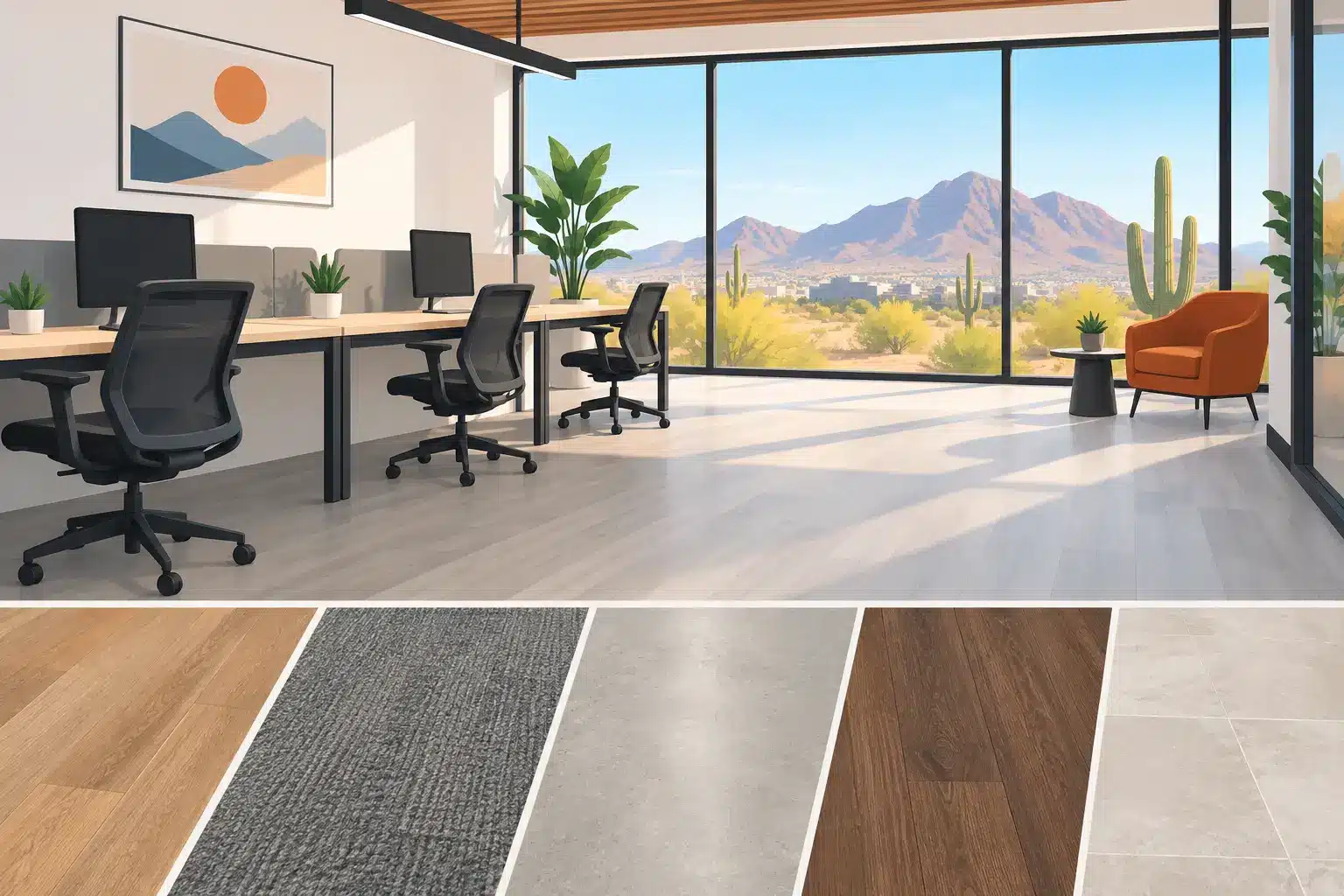
In commercial properties, durability and maintenance usually drive the choice. Offices may use carpet tile in some zones for sound control and comfort, while lobbies, hallways, and customer-facing areas often benefit from tile, stone, or durable vinyl products.
Why Samples and Estimates Matter
Photos help, but they do not tell the whole story. Lighting changes color. Room size affects pattern and plank scale. Existing cabinets, wall paint, and furniture can make a sample look very different once it is in place.
That is why seeing materials in person and comparing them in the actual space is such an important step. A free in-home estimate can also uncover practical issues early, such as subfloor condition, transitions between rooms, or installation factors that affect price and performance.
With so many categories and price ranges available, personal guidance saves time. A good flooring recommendation is not based on what is most expensive. It is based on what fits the project, the budget, and the way the space will be used. That consultative approach is exactly why many local buyers in Phoenix and the East Valley work with experienced providers like Premium Carpet Tile Stone and Wood, LLC.
A Better Way to Make the Final Decision
If you feel torn between two materials, ask which one fits your daily life with fewer compromises. The best floor is not the one that looks good in a sample rack. It is the one that still feels like the right choice after a year of foot traffic, spills, cleaning, and regular use.
When you choose flooring with the room, the budget, and the long-term picture in mind, the decision gets a lot clearer. Start with performance, confirm the look, and let the right material earn its place in the space.



Leave A Comment