
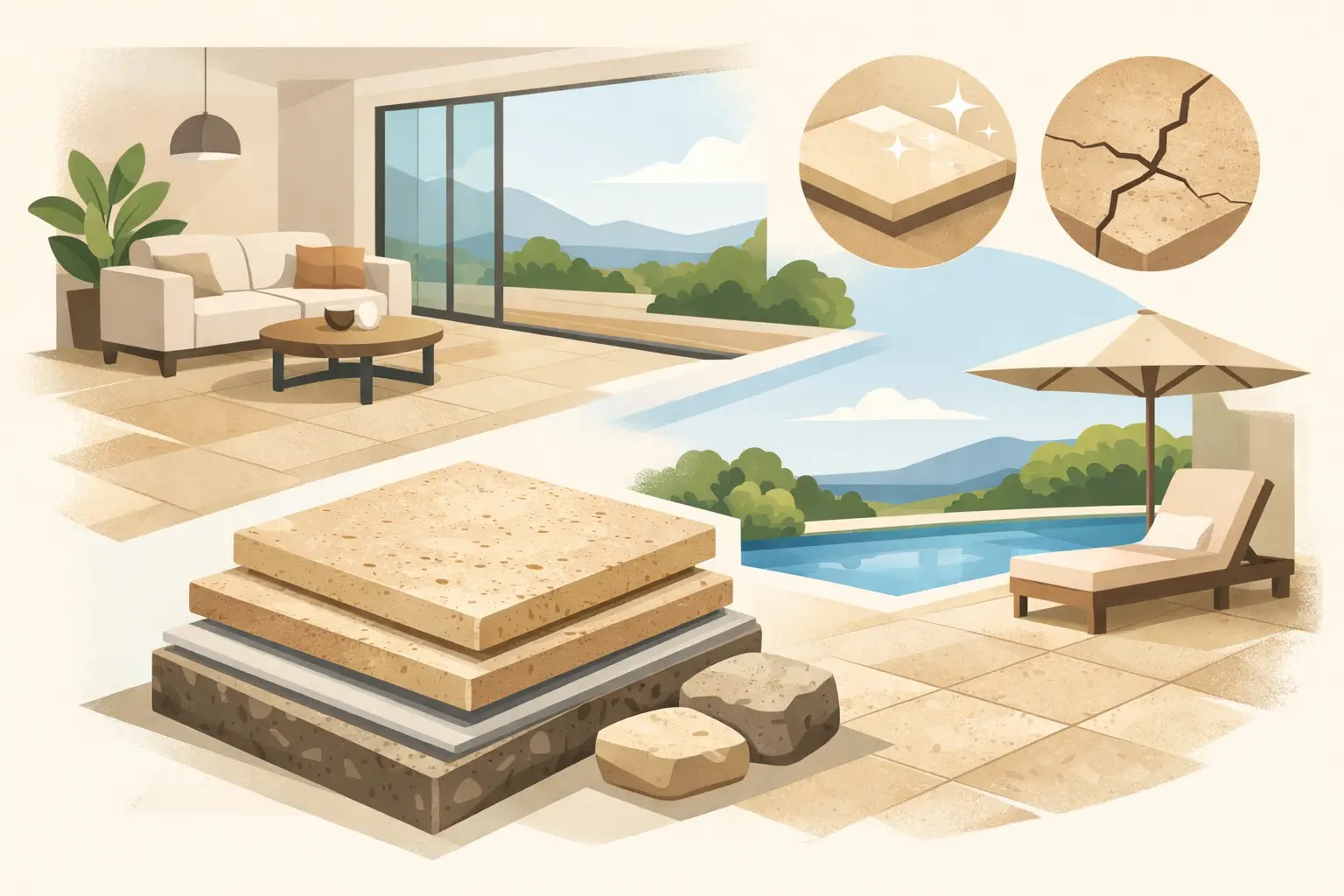
Travertine can make a room feel settled the moment you walk in. It has a natural, understated look that works just as well in a clean modern remodel as it does in a warm, traditional home. For Arizona homeowners comparing hard surface options, travertine tile for homes often comes up for one simple reason – it gives you real stone character without feeling overly formal.
That said, travertine is not the right fit for every room, every lifestyle, or every budget. If you are weighing stone against porcelain, ceramic, or luxury vinyl, the smart move is to understand where travertine shines, where it needs more care, and what kind of installation makes the difference. A flooring decision is easier when you know the trade-offs before the project starts.
Why homeowners still choose travertine tile for homes
Travertine is a natural limestone formed by mineral deposits. What that means in practical terms is that no two tiles are exactly the same. You get movement in the surface, variation in tone, and a depth that manufactured products try to imitate but rarely match.
Many homeowners choose travertine because it adds visual value without looking trendy. Beige, ivory, walnut, and silver tones tend to stay relevant through changing paint colors and furniture styles. If you are planning for resale, that matters. If you are planning to stay in the home for years, it matters even more.
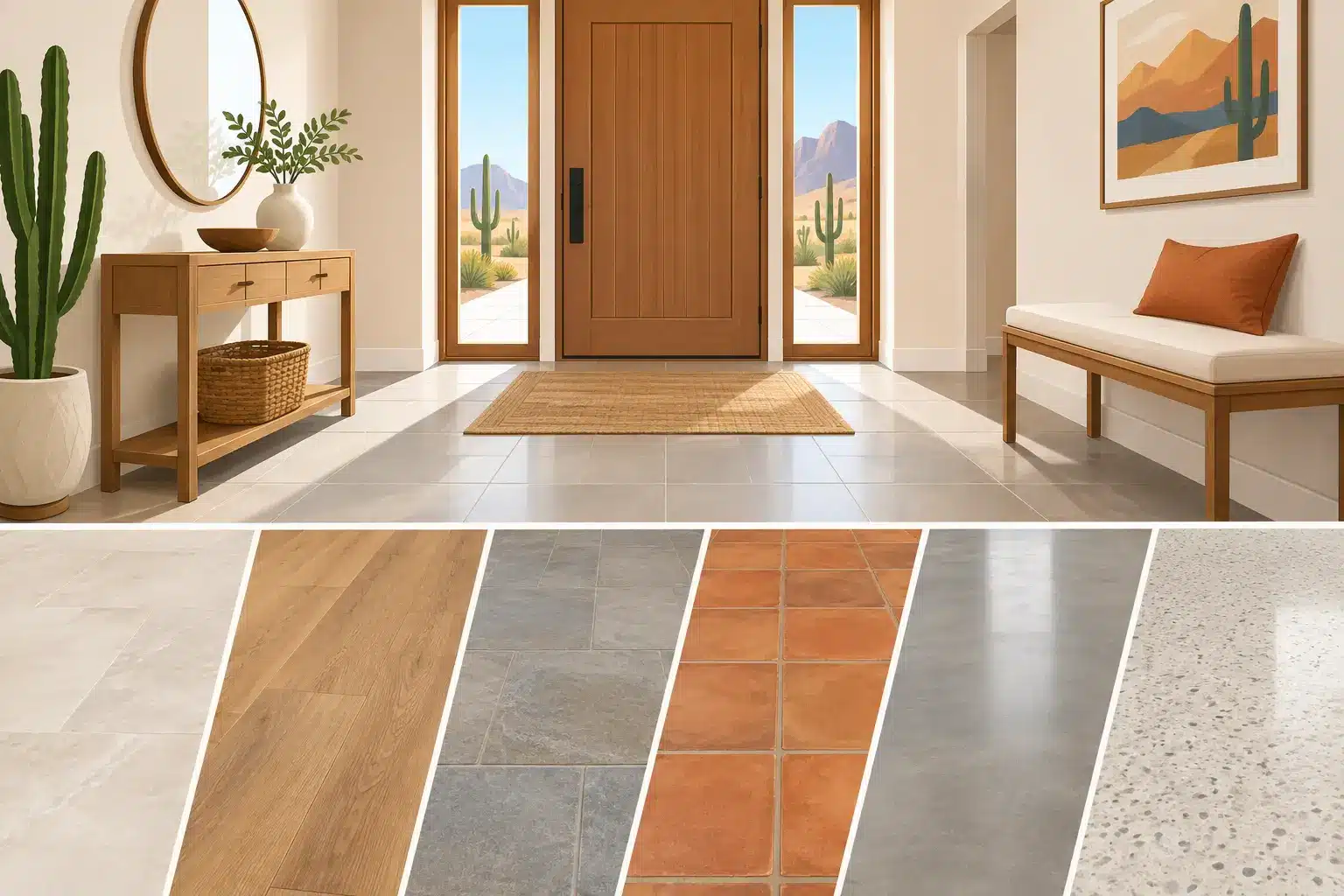
In Phoenix and the East Valley, travertine also fits the regional design language. It pairs naturally with desert-inspired palettes, stucco exteriors, wood accents, and open floor plans. It can feel upscale without feeling flashy, which is exactly what many buyers want.
Where travertine works best inside the home
Travertine is a versatile material, but some spaces are a better match than others. Entryways, living rooms, hallways, bathrooms, and kitchens are common choices. In these areas, the stone brings texture and a custom look that immediately elevates the space.
For main living areas, larger format travertine can make a home feel more open and grounded. In bathrooms, it creates a spa-like finish that feels substantial and timeless. In kitchens, it works especially well when the goal is a warm, natural design rather than a glossy or high-contrast look.
It can also be a strong option for fireplace surrounds, accent walls, and indoor-outdoor transitions. Arizona homes often blur that line, and travertine helps create a consistent flow.
Still, the right room depends on how the space is used. A busy household with pets, kids, and frequent spills may still choose travertine, but the expectations should be realistic. Natural stone needs more care than many manufactured surfaces.
The real advantages of travertine
The biggest strength of travertine is its appearance. It looks authentic because it is authentic. The surface has natural character, soft movement, and a finish that feels refined without looking cold.
It is also comfortable underfoot compared to some harder, slicker materials. With the right finish, travertine can provide a more natural walking surface in bathrooms and common areas. In Arizona’s climate, stone flooring can also feel cooler than carpet in warm months, which many homeowners appreciate.
Another advantage is longevity. When installed properly and maintained well, travertine can last for many years. It is not a disposable design choice. It is a material people often select when they want a permanent, high-value result.
There is also a design flexibility to travertine that people sometimes overlook. It can be filled or unfilled, honed, polished, brushed, or tumbled. Those finish options affect not just the look, but the feel and practicality of the tile.
The trade-offs you should know upfront
Travertine is porous. That is the first thing to understand. Because it is a natural stone, it can absorb moisture and stain if it is not sealed and maintained correctly. Kitchens, bathrooms, and other spill-prone areas need attention.
It is also softer than porcelain tile. That does not mean it is fragile, but it does mean it can scratch, etch, or chip more easily under certain conditions. Dragging heavy furniture, dropping hard objects, or using the wrong cleaning products can leave marks.
Maintenance is another factor. Travertine is not difficult to live with, but it is not maintenance-free. Periodic sealing is part of ownership. So is using stone-safe cleaners instead of harsh chemicals.
Cost can be higher as well, especially when you include professional installation. Stone installation requires product knowledge, subfloor preparation, layout planning, and careful cutting. If you want the finished result to justify the investment, installation quality matters as much as the tile itself.
Choosing the right finish for your lifestyle
Not all travertine feels or performs the same. Finish changes everything.
Honed travertine has a smooth, matte look that many homeowners prefer for floors. It feels clean and current without being shiny. Tumbled travertine has softened edges and a more textured, rustic appearance. It is often used when the goal is an older-world or Mediterranean style. Polished travertine creates a more formal look, but it can show wear differently and may be less practical in certain wet areas.
Filled travertine has its natural holes patched for a smoother surface. Unfilled travertine leaves more texture visible, which can be beautiful but may collect more dirt depending on the setting. For most interior floors, filled and honed is a popular balance of style and usability.
This is where working with an experienced flooring team helps. A sample may look great in a showroom but feel completely different once you consider foot traffic, lighting, grout lines, and the surrounding finishes in your home.
Travertine vs. porcelain tile
This is one of the most common comparisons, and the answer depends on priorities.
If you want the most natural appearance and you value real stone, travertine has the edge. It offers unique variation and a level of material authenticity that porcelain imitations cannot fully duplicate. For high-end custom interiors, that can be a deciding factor.
If you want easier maintenance and stronger resistance to staining, porcelain is usually the more practical option. It handles moisture better, requires less ongoing care, and often comes at a lower installed cost. For rentals, heavy-use properties, or buyers who want a simpler ownership experience, porcelain can make more sense.
The good news is that neither option is automatically right or wrong. The best choice comes down to how you live, how much maintenance you are comfortable with, and what kind of finish you want every day.
What to expect from installation
Stone installation is not a place to cut corners. Travertine needs a stable, properly prepared surface and a layout that respects the natural variation of the material. Tile selection, pattern planning, grout color, and transitions all affect the final appearance.
Because travertine can vary from piece to piece, professional installers usually blend tiles from multiple boxes during the installation. That helps create a balanced look instead of concentrated patches of light or dark material. Proper sealing after installation is also critical.
For larger homes or open layouts, consistency becomes even more important. The floor should feel intentional from room to room. That takes planning, not guesswork.
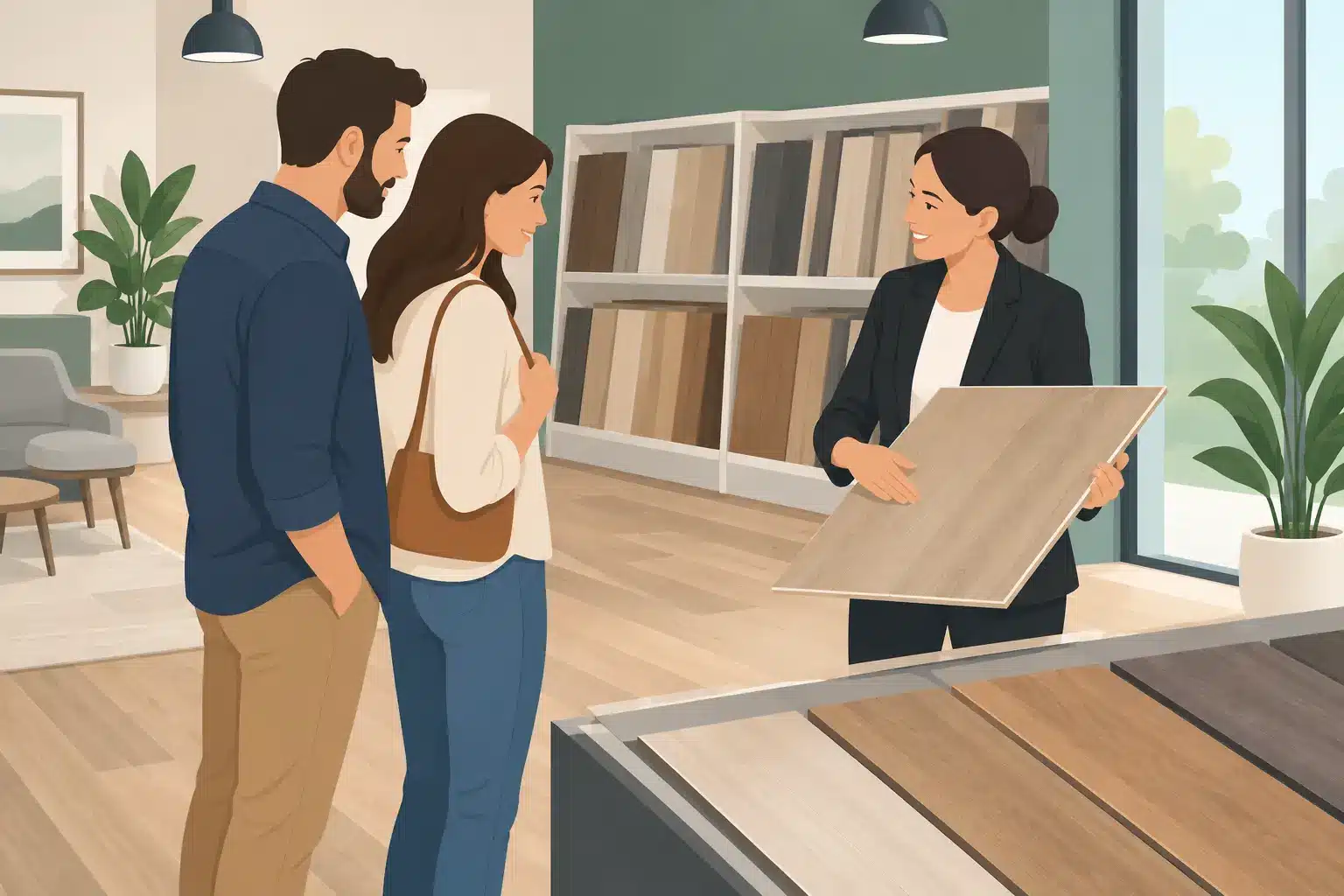
A consultative process matters here. Homeowners often benefit from seeing samples in the space, reviewing finish options, and talking through maintenance before the job begins. Premium Carpet Tile Stone and Wood, LLC has built its reputation by helping buyers make those choices with confidence instead of pressure.
Is travertine a smart choice for your home?
Travertine is a smart choice when you want natural stone beauty, long-term value, and a floor that feels custom rather than mass-produced. It works especially well in homes where design matters and the owner is willing to handle the maintenance that comes with real stone.
It may not be the best fit if your top priorities are the lowest upkeep, the lowest upfront cost, or maximum resistance to wear and spills. In those cases, other flooring options may better match the project.
The key is not choosing the most expensive material or the trendiest one. It is choosing the material that fits your home, your budget, and the way you actually live in the space.
If travertine keeps making your shortlist, that usually means you are drawn to something real. That instinct is often worth listening to – especially when you have the right guidance, the right product, and an installation plan built to last.


Leave A Comment