
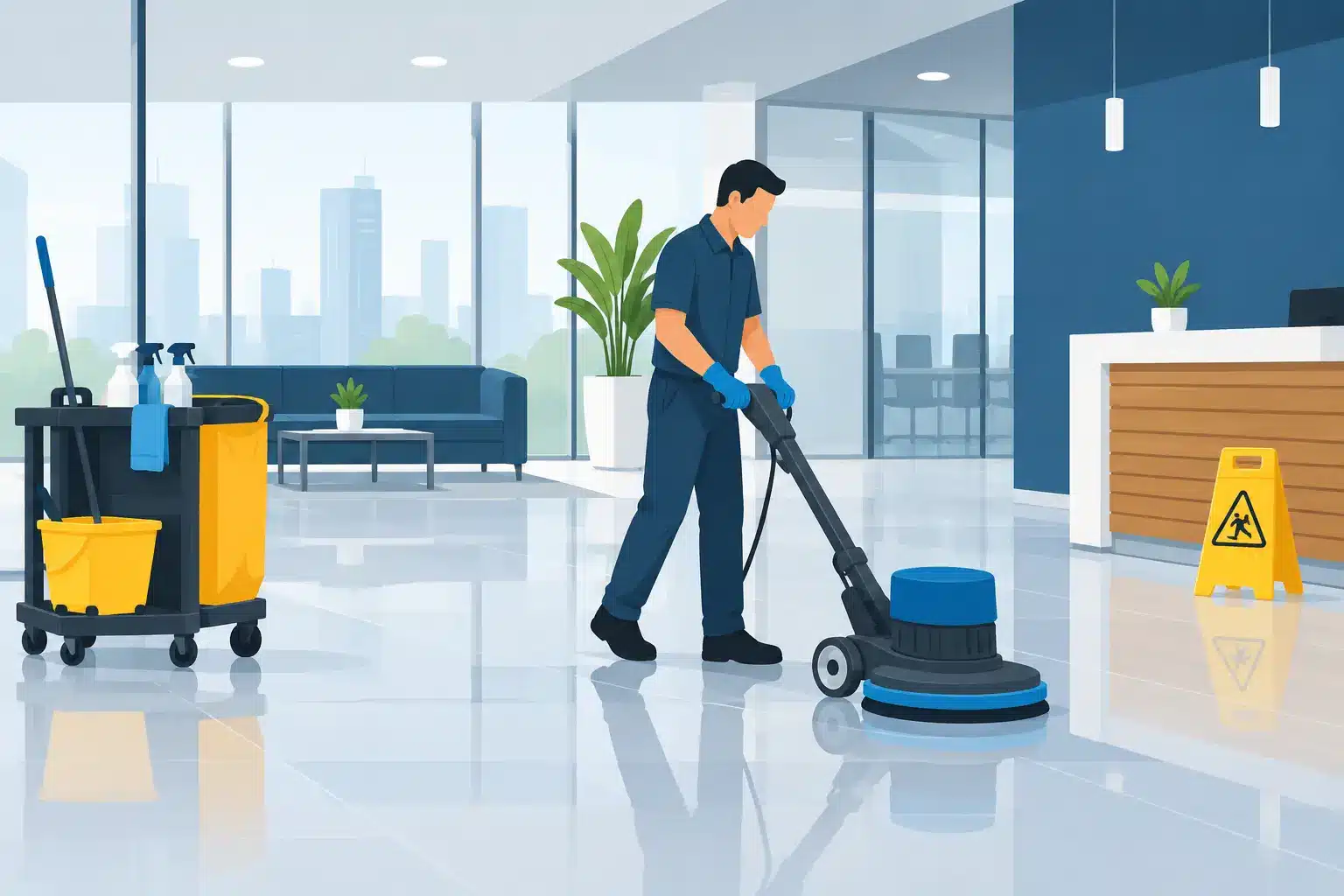
A commercial floor can look worn out long before it is actually worn out. In Phoenix-area offices, retail spaces, medical practices, and rental properties, fine desert dust, heavy foot traffic, rolling equipment, and occasional monsoon moisture all take a visible toll. This commercial flooring maintenance guide helps property owners and facility managers protect their investment, maintain a professional appearance, and avoid replacing floors before their time.
The best maintenance plan is not the one with the most products or the longest checklist. It is the one that matches the flooring material, how the space is used, and the people responsible for daily cleaning. A lobby needs more attention than a private office. A restaurant entryway has different risks than a medical waiting room. Start with those realities, then build a schedule your team can follow consistently.
Start With the Right Maintenance Plan
Flooring maintenance begins at the entrance. Most damage comes in on shoes, wheels, carts, and deliveries. Grit acts like sandpaper on hard surfaces, while dirt works its way down into carpet fibers. Quality walk-off mats at every exterior entrance can significantly reduce the amount of debris that reaches the main floor.
Choose mats that are large enough for several steps, and clean them often. A dirty mat stops doing its job and can become a slip hazard. In busy commercial settings, vacuuming or shaking out mats daily may be necessary, especially during dusty periods or rainy weather.
Next, separate maintenance into daily, weekly, and periodic work. Daily care removes loose soil before it scratches or embeds. Weekly care addresses buildup in corners, edges, and high-traffic lanes. Periodic professional cleaning restores the floor and gives you a chance to identify damage early.
Document the products and methods approved for each floor type. This protects the finish, makes training easier for staff, and prevents common mistakes such as using an oily cleaner on luxury vinyl or too much water on hardwood.
Commercial Flooring Maintenance by Material
Carpet Tile and Broadloom Carpet
Commercial carpet is designed to handle traffic, but it still depends on regular vacuuming. In high-traffic areas, vacuum daily with equipment that has enough suction and a maintained filter. Hallways, reception areas, conference rooms, and entrances usually need more attention than private offices.
Address spills immediately. Blot with a clean white cloth rather than rubbing, which can spread the spill and damage fibers. Use a cleaner approved for the carpet type, and test it in an inconspicuous area if your maintenance team is trying a new product.
Carpet tile offers a practical advantage for commercial properties: badly stained or damaged sections can often be replaced individually instead of replacing an entire room. Keep a small amount of matching material from the original installation, labeled by product and dye lot. Periodic hot-water extraction or low-moisture professional cleaning helps remove embedded soil, but the frequency depends on traffic and manufacturer recommendations.
Luxury Vinyl Plank and Vinyl Tile
Luxury vinyl plank and vinyl tile are popular commercial choices because they provide durable performance with a wide range of wood and stone looks. Their easy-care reputation is earned, but only with proper cleaning.
Sweep, dust mop, or vacuum without a beater bar to remove grit. Damp mop with a neutral-pH cleaner made for vinyl flooring, using only enough solution to clean the surface. Excess water can work into seams or remain on the floor as a slipping risk.
Avoid abrasive pads, harsh degreasers, wax products not approved by the manufacturer, and steam mops. These can dull the protective wear layer or leave a residue that attracts more dirt. Use protective pads under furniture, and place protective runners where chairs, carts, or rolling equipment travel repeatedly.
Tile and Grout
Porcelain and ceramic tile are dependable choices for commercial restrooms, break rooms, entries, and high-traffic interiors. Tile itself is highly durable, but grout lines often show soil first. Regular sweeping and damp mopping keep dirt from collecting in textured surfaces and joints.
Use a neutral cleaner for routine care. Acidic cleaners can damage grout, natural stone, metal transitions, and nearby surfaces. If grout is stained, use a cleaner formulated for grout and follow the dilution instructions carefully. More chemical is not better. Residue can leave a hazy appearance and make the floor harder to maintain.
Grout sealing may be appropriate depending on the grout type, traffic, and location. A professional can help determine whether sealing is needed and whether the floor requires deep cleaning before it is applied.
Natural Stone
Stone flooring creates a distinctive finish in lobbies, retail spaces, and higher-end commercial interiors, but it needs more specific care. Marble, travertine, limestone, and other natural stones can react to acidic products. Common cleaners containing vinegar, citrus, or harsh bathroom chemicals can etch the surface and leave dull marks.
Dust mop frequently, clean spills quickly, and use a stone-safe neutral cleaner. Sealers can help resist staining, but they do not make stone maintenance-free. Resealing schedules vary based on stone type, finish, traffic, and exposure to water or food service areas.
If stone loses its shine, shows etching, or develops uneven wear patterns, professional restoration may be more effective than aggressive cleaning. Trying to polish or strip stone with the wrong product can create a larger repair issue.
Hardwood and Engineered Wood
Wood floors bring warmth and character to offices, boutiques, hospitality spaces, and professional settings. They also require moisture control. Use dry dust mopping or vacuuming with a soft floor attachment, then clean with a manufacturer-approved wood floor product as needed.
Do not wet mop wood flooring or allow standing water to remain on the surface. Place mats at entries, clean spills promptly, and use felt pads under furniture. In commercial settings, chair mats can help reduce wear around workstations, although they should be compatible with the wood finish and kept clean underneath.
Refinishing may be possible for some hardwood floors, while engineered wood has limits based on the thickness of its wear layer. That difference should be considered before scheduling restoration work.
Protect High-Traffic Areas Before Damage Starts
The areas that need protection are usually obvious: entrances, reception desks, hallways, checkout counters, copier stations, break rooms, and routes to restrooms. Watch these spaces closely instead of applying the same cleaning schedule to every square foot.
A practical protection plan includes four habits:
- Use entrance mats and replace or clean them before they become saturated with dirt.
- Add chair pads, glides, or protective barriers under furniture and rolling equipment.
- Clean spills immediately, particularly near drink stations, break rooms, and exterior doors.
- Move furniture and inspect concealed areas during scheduled deep-cleaning visits.
For Phoenix businesses, it also helps to plan for seasonal conditions. Dry weather can bring more fine dust indoors, while monsoon season increases the chance of tracked-in water and mud. Adjusting mat service and cleaning frequency during those periods costs less than repairing preventable floor damage.
Know When Daily Cleaning Is Not Enough
Routine cleaning keeps floors presentable, but it cannot correct every problem. Dull traffic lanes, persistent odors in carpet, grout discoloration, loose tiles, lifted vinyl edges, deep scratches, and moisture-related cupping in wood all deserve attention before they spread.
Professional cleaning or repair is especially valuable when the floor is still structurally sound but no longer looks its best. Carpet extraction, grout cleaning, stone refinishing, recoating, and selective tile or carpet tile replacement can extend usable life at a lower cost than full replacement.
If damage keeps returning in the same area, investigate the cause. It may be a leaking door, an unprotected rolling load, incorrect cleaning chemicals, insufficient entrance matting, or a flooring material that is not suited to the space. Treating the symptom without correcting the cause often leads to repeated expense.
Build Maintenance Into Your Flooring Decision
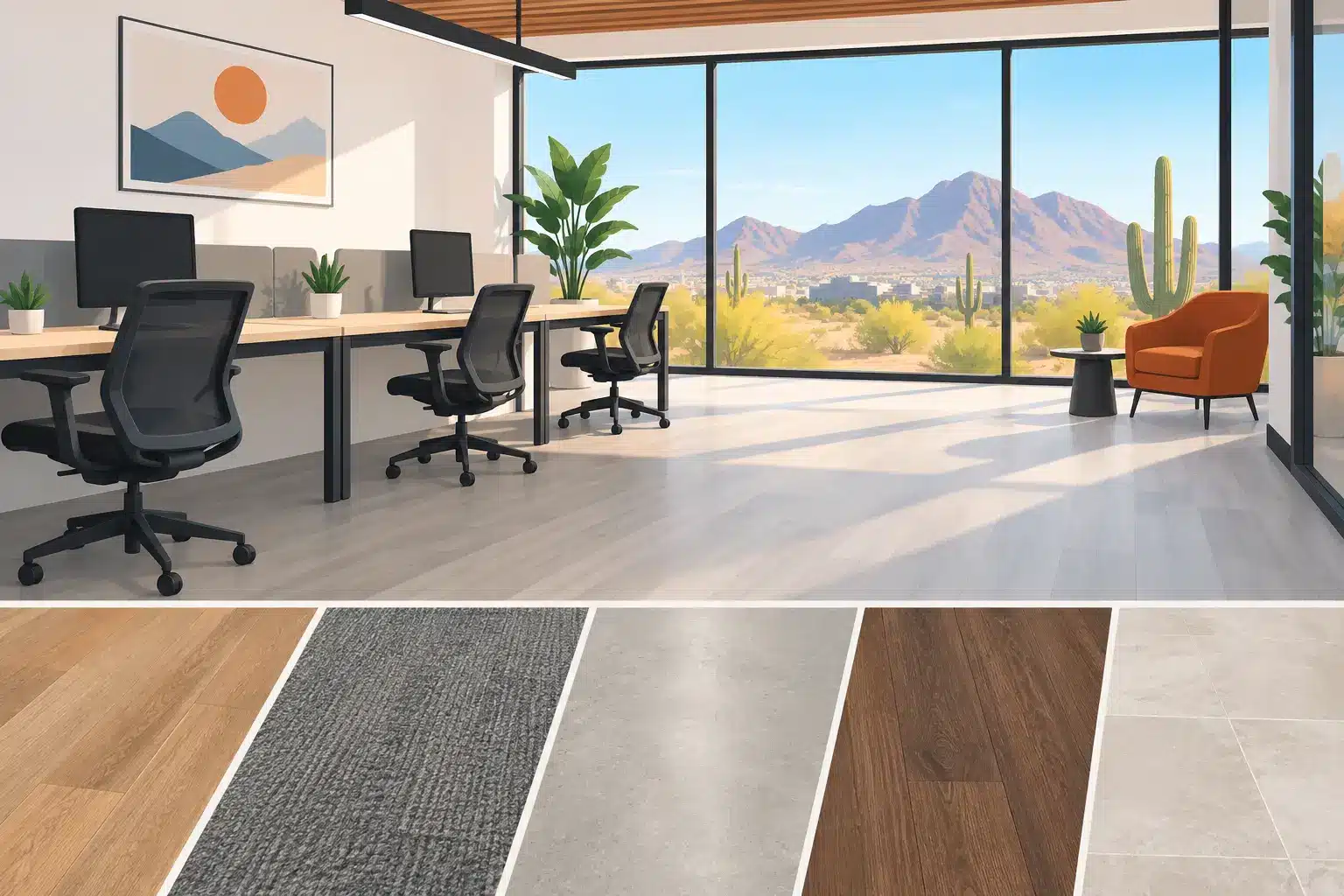
The easiest floor to maintain is one selected for the actual demands of the property. A low-traffic executive office may support hardwood or premium carpet, while a busy clinic, retail store, or multi-tenant corridor may benefit more from commercial carpet tile, porcelain tile, or luxury vinyl with a strong wear layer.
Before buying, ask how the material should be cleaned, what products to avoid, whether a protective finish is required, and how repairs are handled. Those answers matter as much as color, pattern, and initial price. Premium Carpet Tile Stone and Wood can help commercial buyers compare materials based on traffic, cleaning resources, appearance goals, and long-term value.
A well-maintained floor supports the image of your business every day. Give it a practical care plan, respond quickly when problems appear, and choose materials that your team can realistically maintain year after year.






Leave A Comment