
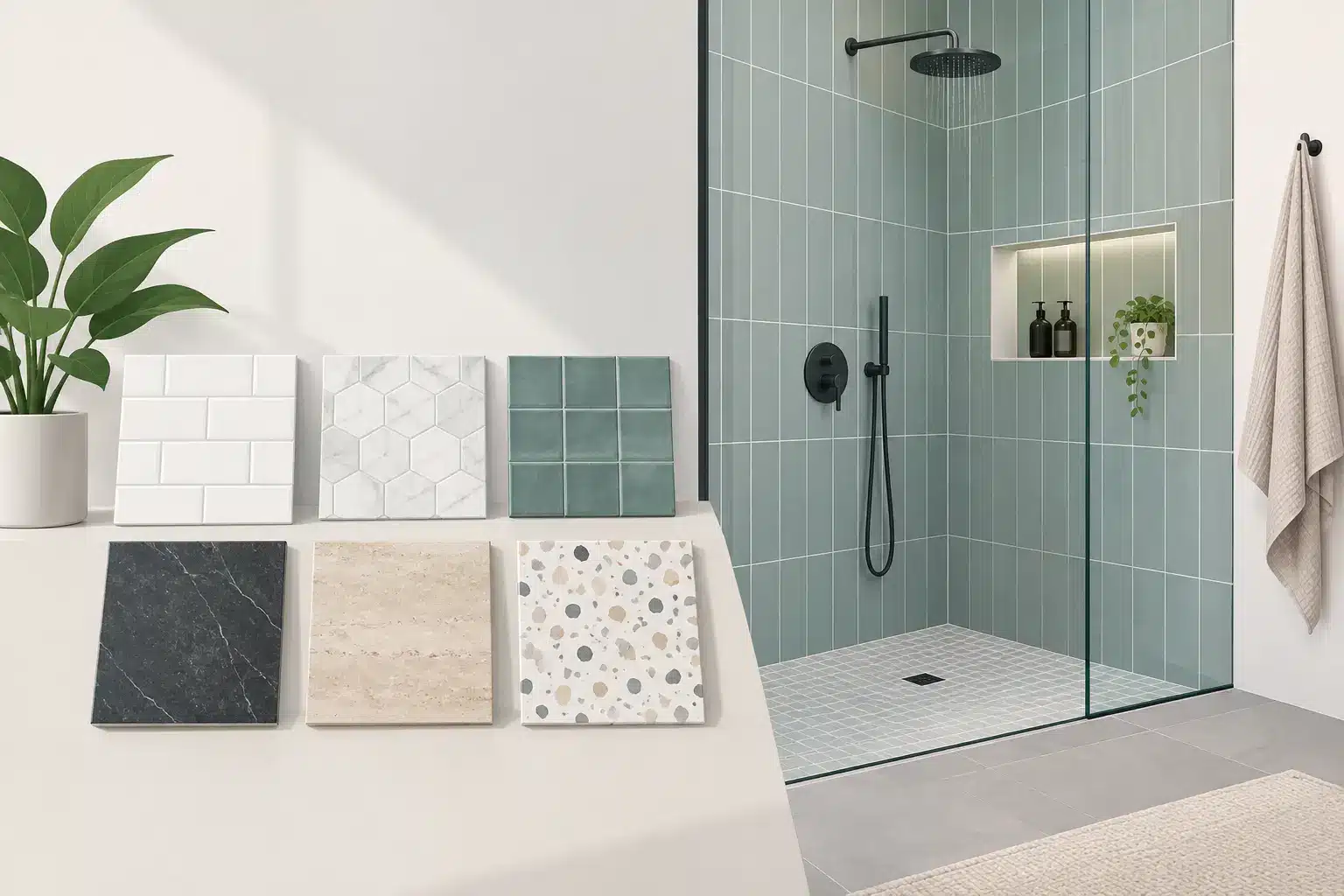
A shower can look finished in a showroom sample and still be the wrong fit once daily water, soap residue, hard water minerals, and bare feet enter the picture. The best shower tile is not simply the color or pattern you like most. It is the material, finish, size, grout plan, and installation method working together for the way your household actually uses the space.
For Phoenix and East Valley homeowners, that decision often starts with durability and easy cleaning, then moves to style. A busy family bath needs different priorities than a lightly used guest shower, and a rental property may call for a different balance of cost and maintenance than a primary-suite remodel. The right choice should look good on day one and remain practical years later.
What Makes the Best Shower Tile?
A good shower tile must handle constant moisture without becoming difficult to clean or unsafe underfoot. It also needs to be installed over a properly prepared waterproof shower system. Tile is the visible finish, but the quality behind it is just as important to the long-term result.
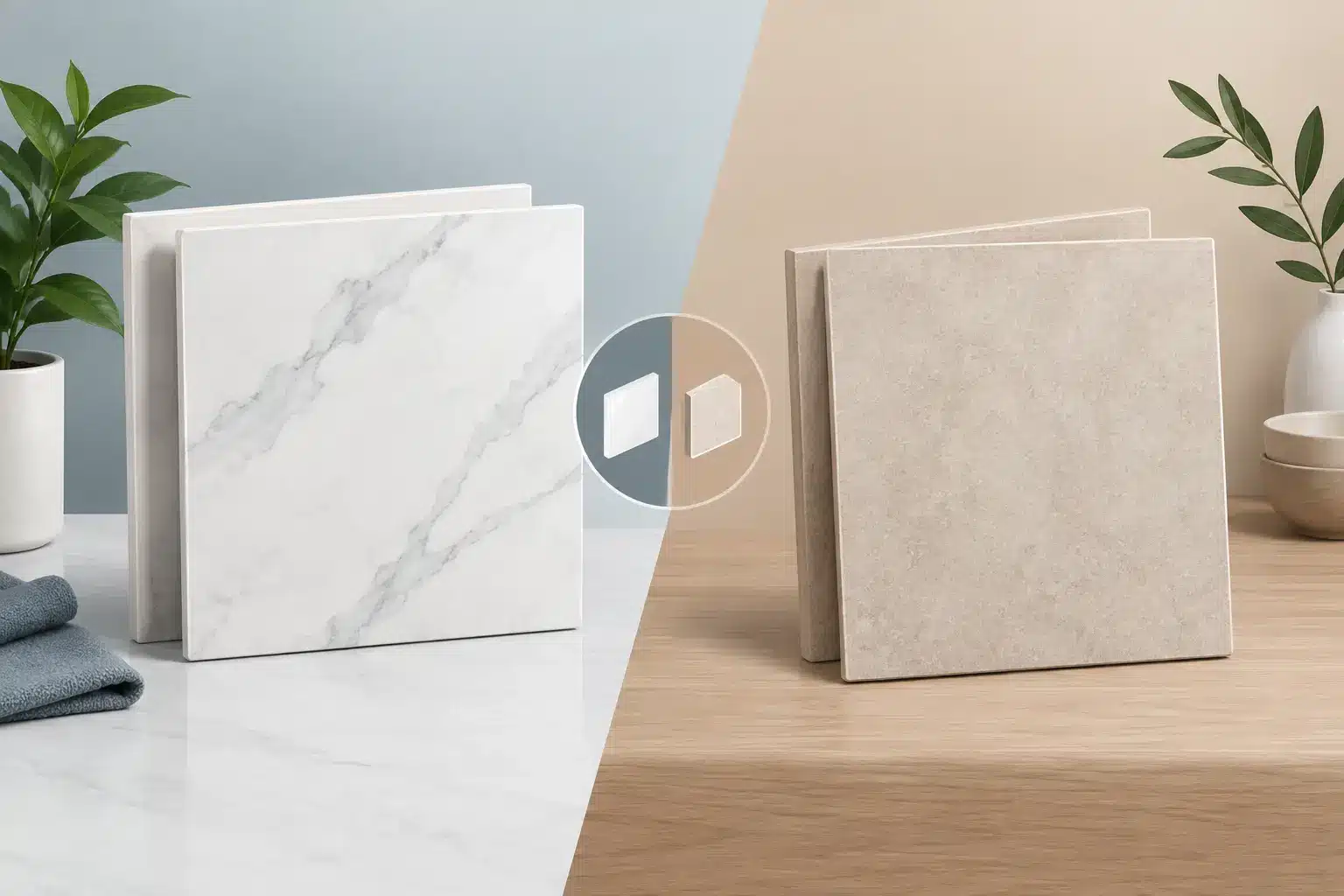
Porcelain is the leading choice for many shower walls and floors because it is dense, low-absorption, durable, and available in an enormous range of looks. It can resemble natural stone, concrete, wood, or handmade ceramic while offering dependable performance in a wet area. For homeowners who want a high-end appearance without intensive upkeep, porcelain is often the most practical answer.
Ceramic tile can also be an excellent shower-wall material, particularly for classic subway tile, decorative wall tile, and projects where budget matters. Many ceramic options are not intended for shower floors, however. Always confirm the tile’s approved use rather than assuming a wall tile will perform safely underfoot.
Natural stone delivers a distinct look that manufactured tile cannot fully duplicate. Marble, travertine, slate, and limestone can make a bathroom feel custom and timeless, but they require more care. Stone must be properly sealed, cleaned with compatible products, and selected carefully for the shower floor. If low maintenance is the priority, a stone-look porcelain tile may be the better fit.
Choose Tile by Shower Location
The same tile does not need to go everywhere in the shower. In fact, choosing separate wall and floor tile is often the best way to get the look, safety, and drainage performance you want.
Shower walls
Large-format porcelain is a strong option for shower walls. Fewer grout joints can create a cleaner, more open appearance and reduce the amount of grout that needs routine cleaning. Popular sizes include 12-by-24-inch rectangles and larger panels, although the best size depends on wall layout, niches, windows, and the installer’s ability to make balanced cuts.
Glossy ceramic or porcelain can brighten a smaller bathroom by reflecting light. Matte wall tile offers a softer, more current appearance and can be more forgiving of water spots. Neither finish is automatically better. Consider the room’s lighting, the color of the grout, and how much maintenance you are comfortable doing.
Shower floors
Floor tile needs a different approach. Safety and drainage matter more than minimizing grout lines. Small-format porcelain mosaics are a common and reliable shower-floor choice because their additional grout joints provide traction and allow the surface to follow the slope toward the drain.
A tile rated for wet floors with a textured or matte finish is generally preferable to a polished surface. Polished marble or glossy tile can be beautiful, but it may become slippery when wet and show mineral deposits more easily. Ask to see a sample in person, then consider how it feels under bare feet rather than evaluating appearance alone.
Niches, benches, and accent areas
A shower niche is an opportunity to introduce an accent without covering the whole room in a bold material. A patterned mosaic, contrasting stone-look porcelain, or a different tile orientation can add interest while keeping the main wall tile calm. For benches and horizontal ledges, material selection and slope are critical so water does not sit on the surface.
Porcelain vs. Ceramic vs. Natural Stone
For most shower remodels, porcelain offers the best overall mix of value, design flexibility, and moisture resistance. It is especially well suited to primary bathrooms, family baths, rental properties, and commercial restroom upgrades where durability and cleaning efficiency are key concerns.
Ceramic can provide excellent value on walls. It is often available in more traditional colors, shapes, and finishes, including the handcrafted variation many homeowners want. Use it where it is rated to perform, and pair it with a suitable porcelain mosaic or another approved tile on the shower floor.
Natural stone is a premium choice for buyers who appreciate authentic variation and are prepared for its maintenance needs. No two pieces are identical, which is part of its appeal. It is not the automatic choice for every high-end project, though. A carefully selected porcelain can produce a refined stone appearance while simplifying cleaning and long-term care.
Tile Size, Grout, and Color Affect Maintenance
Large tiles make a shower feel less busy, but they are not always easier or less expensive to install. A large wall tile may require extra planning around corners, plumbing fixtures, niches, and out-of-square walls. The installation team may need to make more precise cuts to keep grout joints consistent and patterns aligned.
Small mosaics are ideal for many shower floors, yet more grout means more surface area to clean. That trade-off is usually worthwhile for improved traction and drainage. A quality grout and proper sealing, when applicable, can make routine maintenance more manageable.
Grout color deserves as much attention as tile color. Bright white grout creates a crisp contrast with darker tile but can show discoloration sooner in a high-use shower. A mid-tone or coordinating grout often hides everyday residue better while still defining the tile pattern. Very dark grout can make light-colored mineral buildup more visible, particularly in areas with hard water.
For a more uniform look, choose a grout close to the tile color. For a graphic design statement, use contrast intentionally. Review the actual tile and grout samples together under your bathroom lighting before making a final decision.
Do Not Overlook Slip Resistance and Waterproofing
A shower floor should never be selected on looks alone. Ask about the tile’s suitability for wet-floor applications and choose an appropriate finish for the users of the bathroom. This is particularly important for children, older adults, guests, and commercial properties where safety expectations are higher.
Equally important, tile and grout are not waterproof by themselves. A shower needs a properly constructed waterproofing system beneath the tile, with correct drain integration, wall preparation, and slope. Skipping this step can lead to hidden moisture damage even if the finished tile looks excellent.
Professional installation matters because showers have details that are easy to underestimate: waterproofed niches, corners, transitions, bench tops, drain placement, expansion considerations, and clean tile layout. A free in-home estimate can help identify these conditions before material is ordered, reducing surprises during the project.
A Practical Design Direction for Phoenix Homes
Light porcelain in warm whites, soft beige, greige, sand, and pale gray remains a versatile choice for Phoenix-area homes. These colors work well with natural light and coordinate easily with wood-look flooring, luxury vinyl plank, painted cabinetry, and stone countertops. They also offer flexibility if you update towels, hardware, or wall color later.
For a more distinctive result, use a quiet large-format wall tile with a textured or patterned mosaic floor. Another dependable approach is a vertical stacked tile on the walls paired with a simple penny-round or hexagon floor mosaic. These combinations add character without making the room feel overly trendy.
Before committing, view full-size samples rather than relying on a small online image. Tile variation, undertones, texture, and sheen are easier to judge in person. At Premium Carpet Tile Stone and Wood, LLC, homeowners can compare materials with experienced guidance and select options that match the room, budget, and expected level of maintenance.
Make the Final Choice With the Whole Project in Mind
The best shower tile should support the entire bathroom plan, including the vanity, countertop, fixtures, lighting, and flooring outside the shower. It should also fit the reality of the household. A dramatic dark stone may be right for a low-use guest bath, while a busy primary shower may benefit from a lighter porcelain, practical grout color, and slip-resistant mosaic floor.
Bring measurements, photos, and a few inspiration images to your tile appointment, but stay open to alternatives once you see the materials together. The right tile is the one that gives you the look you want while making daily use, cleaning, and long-term ownership feel straightforward.



Leave A Comment