

A flooring showroom can be an excellent place to compare color, texture, and quality, but the choices can feel overwhelming when you walk in without a plan. Understanding how showroom appointments work helps you use your time well, get better answers, and leave with a clearer direction for your home or commercial project.
At Premium Carpet Tile Stone and Wood, appointments are designed to be personal, practical, and focused on your project. Rather than trying to sort through rows of samples alone, you meet with an experienced flooring professional who can narrow the options based on your space, budget, timeline, and everyday needs.
Why a Flooring Showroom Appointment Is Different
Flooring is not a one-size-fits-all purchase. The right product for a busy family with pets may be very different from the right product for a quiet guest room, a rental property, a restaurant, or a medical office. Color matters, but so do wear layers, moisture resistance, maintenance needs, installation requirements, and subfloor conditions.
A showroom appointment gives you dedicated time to discuss those details. You can compare carpet, tile, stone, hardwood, luxury vinyl plank, vinyl tile, area rugs, remnants, and even countertop options in a setting where samples are easy to see and touch. It is a more efficient way to shop than guessing from a small online image or making decisions under store-floor pressure.
Appointments also allow the conversation to start with your priorities. Some customers want the best value for a rental turnover. Others are investing in hardwood for a long-term home renovation. Commercial buyers may need durable flooring that fits a specific maintenance plan and opening date. Those are different projects, and they deserve different recommendations.
How Showroom Appointments Work From Start to Finish
The process usually begins when you request a time that works for your schedule. Before the appointment, it helps to share the type of project you have in mind, such as replacing carpet in bedrooms, updating a whole home, installing tile in a kitchen, or selecting flooring for an office. This gives the showroom team a starting point and allows them to prepare relevant product categories.
When you arrive, the first part of the appointment is a conversation. Expect questions about the rooms involved, who uses them, whether there are pets or children in the home, how much traffic the area receives, and what you want the finished space to feel like. You may also discuss whether you are planning to sell, stay in the home for years, or improve a rental or commercial property.
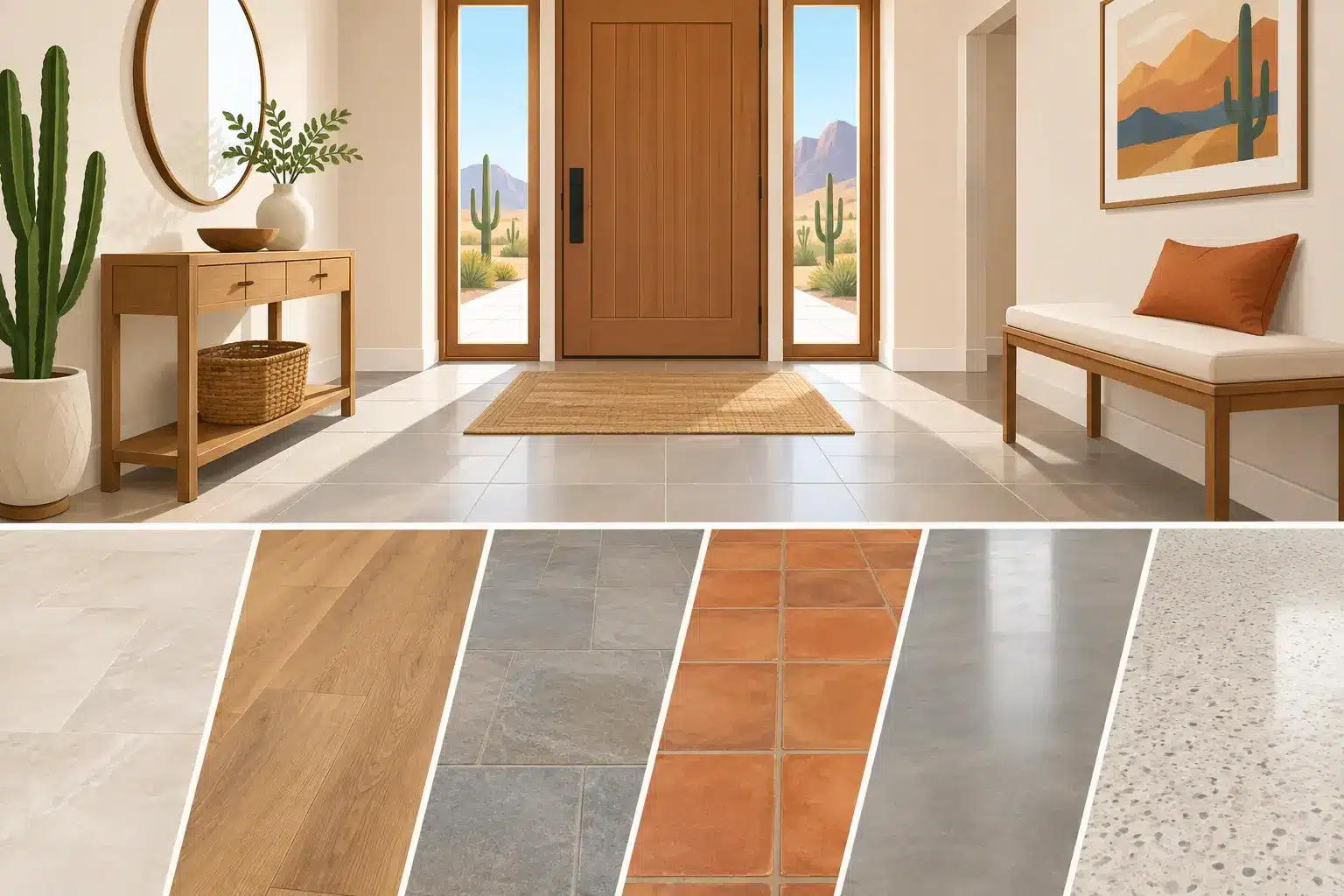
From there, the consultant helps you compare materials that fit your needs. Instead of looking at every available floor, you can focus on a practical group of options. For example, a homeowner seeking a waterproof, low-maintenance floor may compare luxury vinyl plank and tile. Someone who wants warmth and comfort in bedrooms may look at carpet styles with different fibers, densities, and price points.
The appointment should not be about pushing the most expensive material. It should be about identifying where it makes sense to invest and where a value-focused option may perform just as well. A premium natural stone floor can create a distinctive look, but it may require more maintenance than porcelain tile. Hardwood offers character and can be refinished, while luxury vinyl may be a better fit for areas with frequent spills or heavy pet traffic. The best choice depends on the room and your expectations for it.
Seeing Samples in Real Conditions
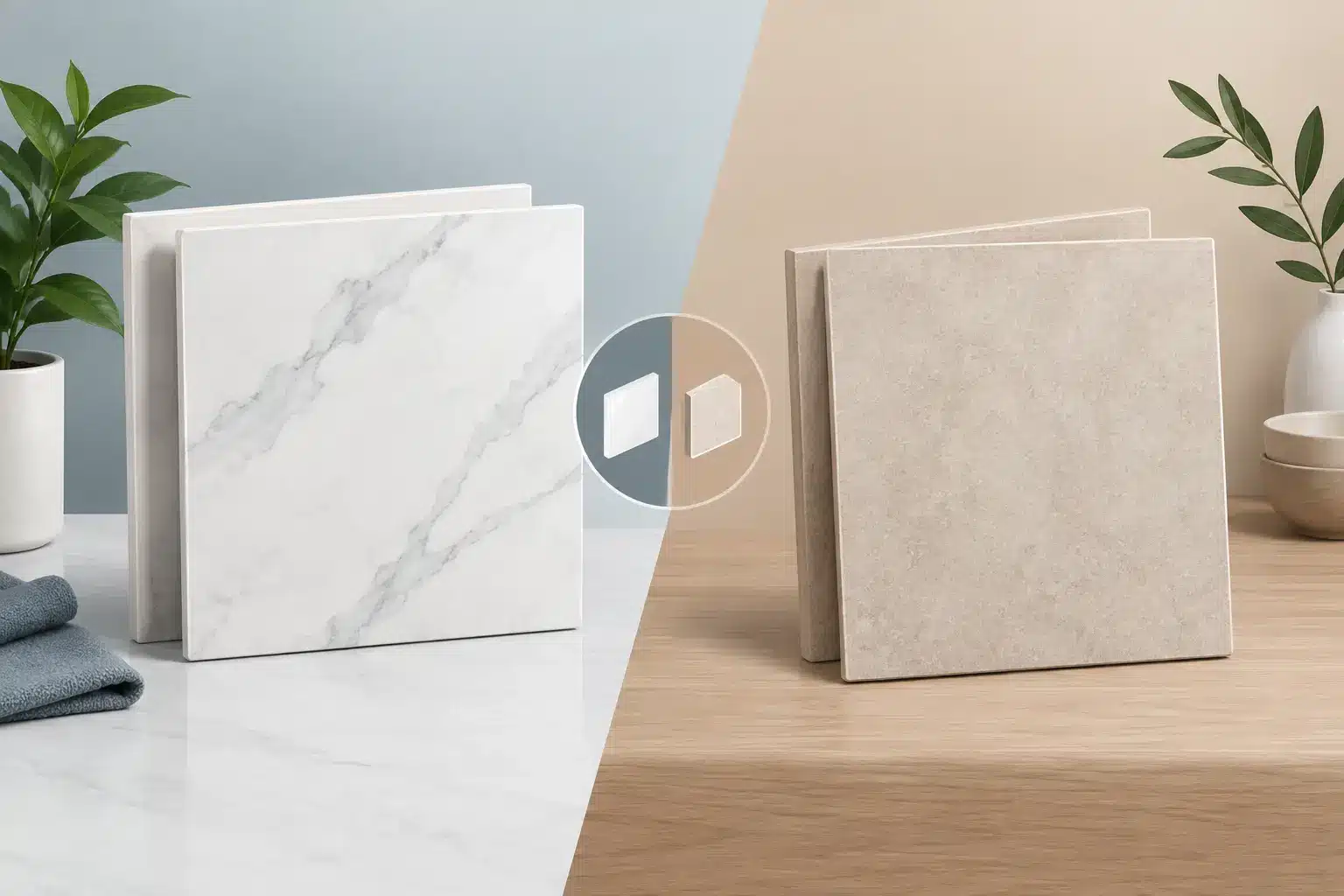
Showroom lighting is useful, but it is not the same as the light in your home or business. Once you have narrowed your choices, samples can help you evaluate color next to cabinetry, paint, furniture, or existing finishes. Bringing a paint chip, cabinet door, fabric swatch, or a few photos of the room can make this part of the appointment much more productive.
It is also wise to view samples at different times of day. A warm oak-look vinyl plank may appear one way under showroom lighting and another way in a sun-filled Phoenix living room. Tile undertones can become more noticeable beside countertops or wall color. Taking home samples, when available, lets you make that final decision with fewer surprises.
Reviewing Budget and Scope
A productive appointment includes an honest budget conversation. Flooring costs are more than the price of the material itself. Depending on the project, your quote may include measurements, removal of existing flooring, furniture moving, floor preparation, underlayment, trim, transitions, delivery, and professional installation.
This is where clear guidance matters. A lower-priced product may be a good choice in some situations, but it is not always the lowest total project cost if extra preparation or repairs are needed. Conversely, spending more on a durable product can make sense in high-traffic areas where early replacement would be more costly.
Your consultant can explain the trade-offs and provide options at different price levels. Wholesale pricing gives customers access to competitive value, while expert recommendations help avoid buying a product that does not suit the project. The goal is a floor that looks right, performs well, and fits the total budget.
What to Bring to Your Appointment
You do not need a full design plan before visiting a flooring showroom. Still, a few details will help make the appointment more useful. Bring photos of the room, approximate measurements if you have them, and inspiration images that show colors or styles you like. If you are coordinating flooring with existing finishes, bring paint, cabinet, countertop, or upholstery samples when possible.
It also helps to know your timeline. Are you preparing for a move, completing a remodel, replacing damaged flooring, or working around a business opening? Installation schedules, product availability, and preparation needs can influence which options make sense.
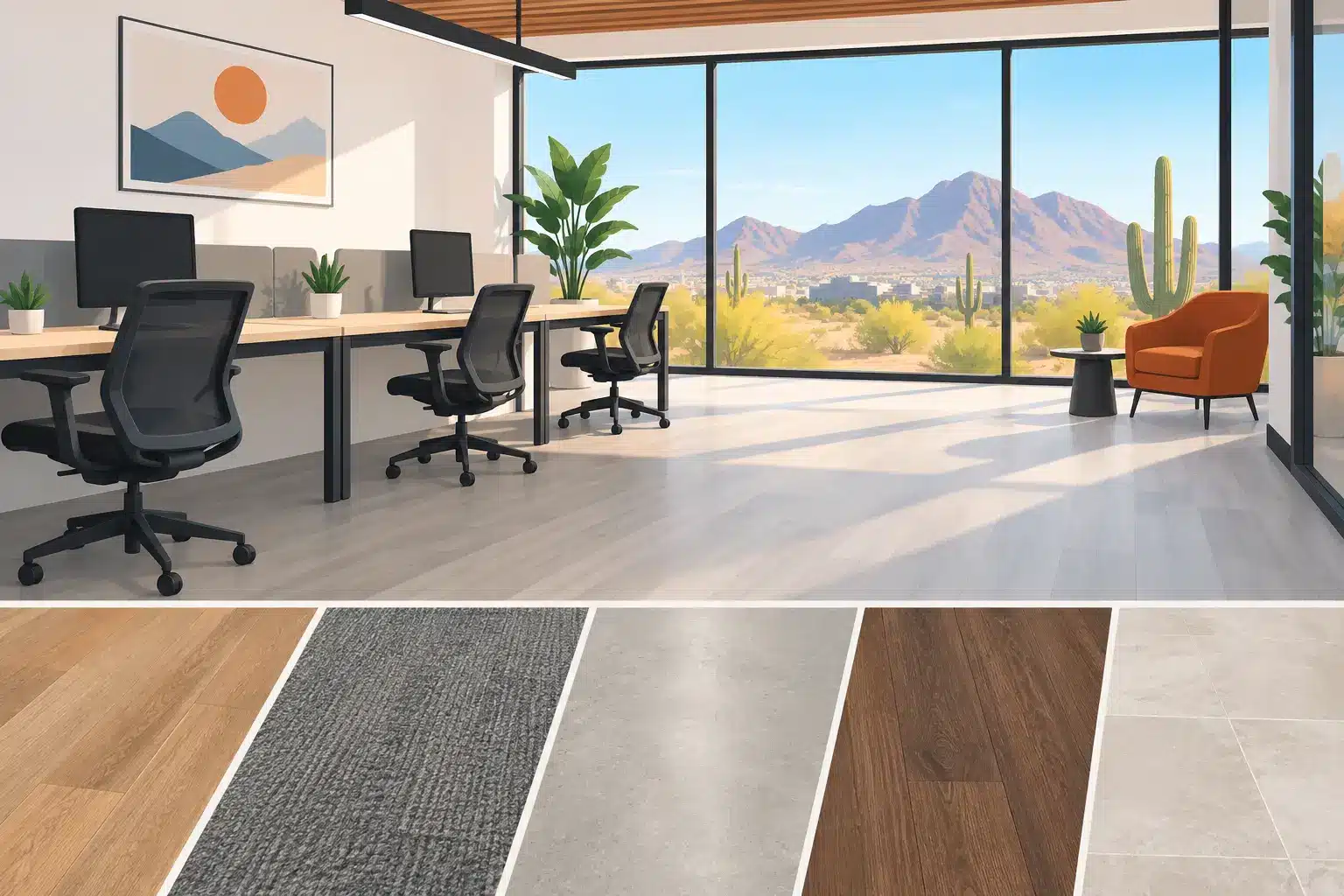
For commercial projects, be ready to discuss use conditions. A busy retail space, a rental unit, and an executive office may all need different levels of durability and maintenance. Details such as rolling chairs, heavy equipment, moisture exposure, cleaning procedures, and accessibility requirements can affect the recommendation.
What Happens After the Showroom Visit
After you select a direction, the next step is often a free in-home estimate. This is when measurements are confirmed and the installation team can assess conditions that are difficult to judge from photos or rough dimensions. They may identify transitions, subfloor concerns, moisture issues, stair details, or furniture and access considerations that affect the scope of work.
An in-home estimate protects you from relying on guesswork. It also helps create a more accurate quote, so you understand what is included before installation begins. If adjustments are needed, you can discuss them before materials are ordered.
Once the product, estimate, and installation plan are approved, the project can be scheduled. Preparation is a major part of a successful flooring installation. The team should explain what needs to be moved, whether old flooring will be removed, how long the work may take, and when it is safe to walk on the new surface. Tile, hardwood, carpet, and vinyl products each have different installation requirements, so the timeline depends on the material and the condition of the space.
Questions Worth Asking in the Showroom
A good appointment gives you room to ask direct questions. Ask which products are best for pets, children, moisture, rentals, or heavy traffic. Ask how the flooring should be cleaned, what warranty coverage applies, and whether a product is suitable for every room you have in mind.
You can also ask about installation details. Find out whether trim and transitions are included, how furniture and old flooring are handled, and what might cause a quote to change. If you are comparing products, ask what you gain or give up at each price point. Straight answers help you choose with confidence rather than relying on a color sample alone.
Making the Most of Your Visit
The best showroom appointment is not about making a rushed decision. It is about turning a complicated flooring project into a clear plan. Come prepared to discuss how you live or work in the space, what you want to spend, and what matters most to you, whether that is durability, comfort, appearance, maintenance, or speed.
A knowledgeable local flooring team can help you balance those priorities and move forward with fewer unknowns. Bring your questions, bring a few samples or photos, and give yourself the time to choose a floor you will be comfortable living or working on for years.




Leave A Comment