
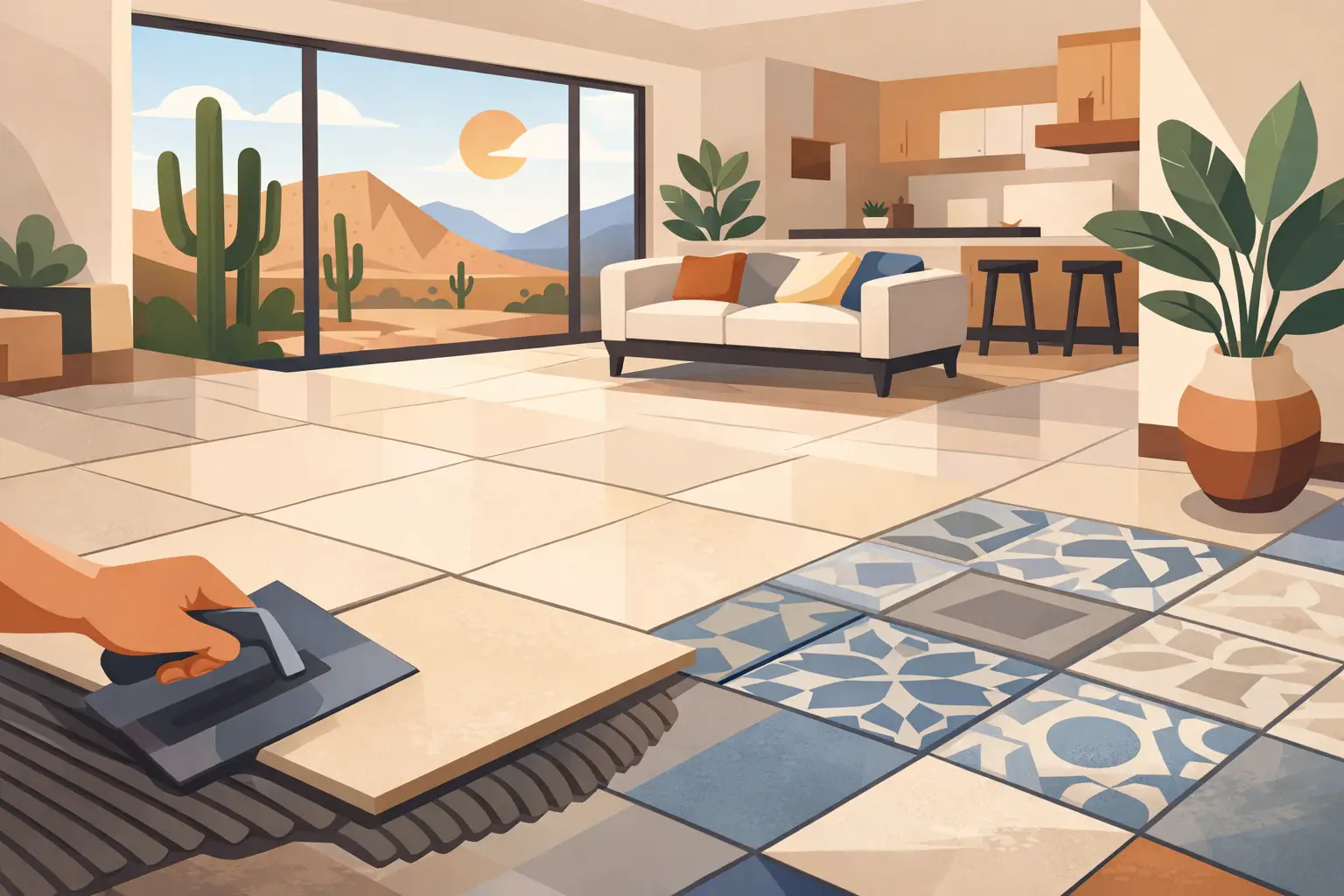
A floor can look great in a showroom and still be the wrong choice for a busy household, a rental property, or a sun-filled Arizona room. The best tile flooring balances the look you want with the daily demands of your space: heat, sand, pets, water, foot traffic, and the reality of cleaning it week after week.
For homeowners and commercial buyers in Phoenix and the East Valley, tile remains one of the most practical long-term flooring choices. It is cool underfoot, highly durable, available in nearly every style, and well suited to the desert climate. The key is choosing the right tile material, finish, size, and installation approach before the project starts.
Why Tile Flooring Is a Strong Choice in Arizona
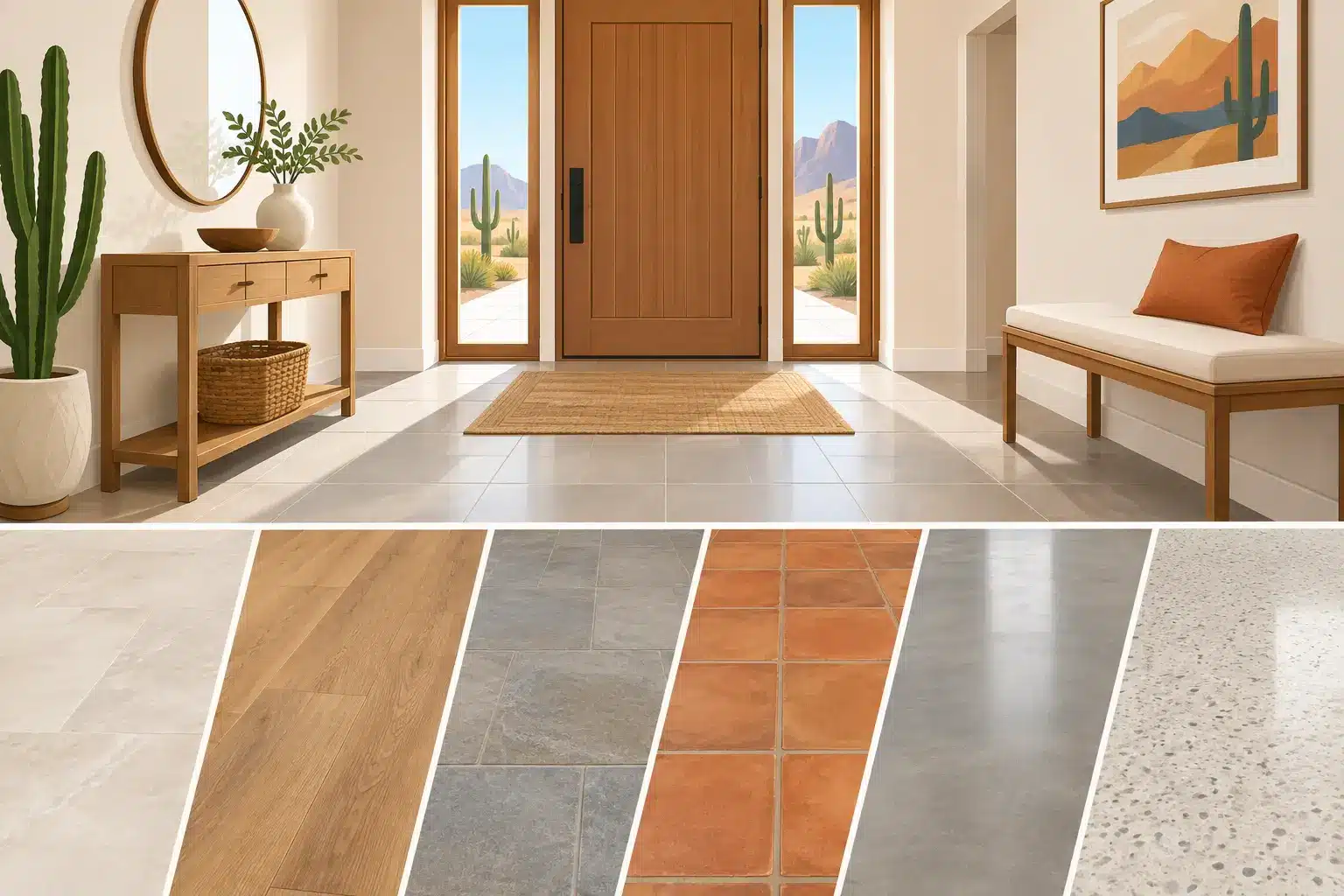
Tile handles conditions that challenge many other flooring materials. It does not fade easily in bright rooms, holds up well to tracked-in dust and grit, and performs reliably in areas where water is part of everyday life. Kitchens, bathrooms, laundry rooms, entryways, covered patios, and pool-adjacent spaces are all natural fits.
It is also a flexible design material. A homeowner can choose large-format porcelain for a clean, modern living area, patterned ceramic for a powder room, or natural stone for a more traditional look. Commercial buyers can select durable, low-maintenance tile for lobbies, restrooms, break rooms, and retail spaces without sacrificing appearance.
That does not mean every tile is right for every room. The material and surface finish matter as much as the color. A glossy tile may be easy to wipe clean, for example, but it can be slippery when wet. Natural stone creates a distinctive look, but some stones need more sealing and maintenance than porcelain. Good guidance up front prevents expensive changes later.
Choosing the Right Tile Material
Porcelain tile
Porcelain is often the first recommendation for high-traffic areas. It is dense, water-resistant, and made to stand up to daily wear. Many porcelain tiles are designed to resemble hardwood, concrete, marble, or natural stone, giving buyers more design options without the maintenance requirements of some natural materials.
Porcelain works particularly well in main living areas, kitchens, bathrooms, and commercial interiors. It is also a smart option for homes with pets or active families because it resists scratches and stains better than many alternatives. For outdoor or covered patio applications, select a product specifically rated for the conditions and slip resistance required by that location.
Ceramic tile
Ceramic tile is a dependable and often budget-friendly choice, especially for walls, backsplashes, and lower-traffic floors. It comes in an enormous range of colors, shapes, and decorative styles. If your goal is to make a bathroom, laundry room, or kitchen backsplash feel more personal, ceramic can offer excellent value.
For flooring, make sure the specific ceramic product is rated for floor use and appropriate for the traffic level in the room. A decorative wall tile may not have the strength or surface texture needed underfoot.
Natural stone tile
Travertine, marble, slate, limestone, and granite bring natural variation that manufactured products cannot duplicate. Each piece has its own veining, movement, and color character. That appeal makes stone a popular choice for homeowners looking for a more elevated or traditional finish.
Stone does require a realistic maintenance conversation. Depending on the material, it may need periodic sealing and more careful product selection for cleaning. Acidic spills can affect some stones, and porous materials can stain if left unprotected. When properly selected and maintained, however, natural stone can add substantial character and long-term appeal to a property.
Size, Finish, and Grout Change the Whole Look
Tile selection is not just about picking a color sample. The size and finish of the tile affect how a room feels and how the floor performs.
Large-format tiles can make open rooms feel more continuous because there are fewer grout joints. They are popular in contemporary Phoenix homes, especially in neutral stone-look and concrete-look styles. However, larger tiles require a very flat subfloor and careful installation. If the preparation is not right, uneven edges and lippage can become visible.
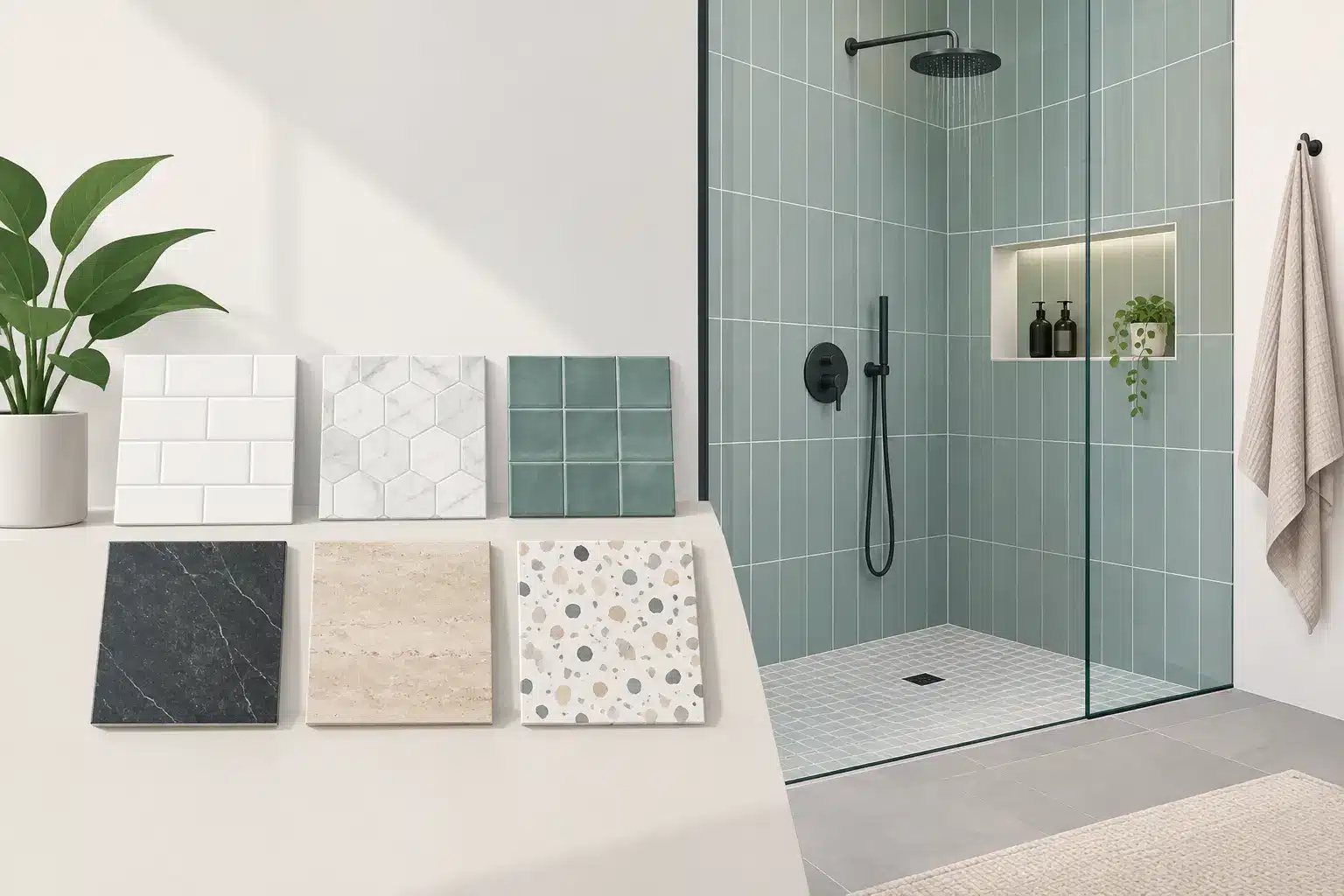
Smaller tiles work well when more grout lines are helpful, such as on a shower floor where additional traction is needed. Mosaic tile can add visual interest and fit around drains or tight spaces, but more grout also means more cleaning. There is no universal best size. It depends on the room, the layout, and the look you want to maintain.
Finish deserves equal attention. Matte and textured surfaces can provide better grip and hide dust or water spots more easily than polished tile. Polished tile can create a bright, refined appearance in the right setting, but it generally calls for more frequent cleaning and careful placement away from wet entries or shower floors.
Grout should be part of the decision from the beginning. A matching grout creates a quieter, more uniform surface. A contrasting grout highlights the tile pattern and can make a design statement. For busy areas, many property owners prefer a mid-tone grout that is less likely to show everyday soil than bright white.
Plan for Installation, Not Just the Tile
A quality installation begins beneath the tile. Subfloor condition, moisture, cracks, transitions to adjoining rooms, and layout all affect the final result. Even premium tile can fail if it is installed over an unstable or poorly prepared surface.
Before installation, the space should be measured carefully and the layout discussed. This is especially important with wood-look planks, patterned tile, large-format material, and rooms that connect to existing flooring. Decisions about where cuts fall, how tile meets cabinets or doorways, and how transitions are handled can make the difference between a finished floor that looks intentional and one that feels improvised.
In Arizona homes built on concrete slabs, crack isolation and proper surface preparation may be needed depending on slab conditions. Moisture concerns should also be addressed before installation, particularly in commercial settings, ground-level spaces, and areas with a history of water issues. These details are not glamorous, but they protect the investment.
Professional installation also helps ensure the tile is set with the correct materials for its size and application. Large-format porcelain, shower tile, natural stone, and outdoor-rated products each have specific installation requirements. Asking about preparation and installation methods is a practical part of comparing quotes, not an unnecessary extra.
Tile Flooring for Different Rooms
In kitchens, durability and easy cleanup usually lead buyers toward porcelain or floor-rated ceramic. A matte stone-look tile can hide crumbs and everyday dust better than a high-gloss surface, while a larger format may reduce grout maintenance.
Bathrooms need water resistance and traction. Porcelain is a common choice for bathroom floors and shower walls. For shower floors, smaller mosaic tile is often useful because the grout joints add grip and allow the floor to slope correctly toward the drain.
Living rooms and open floor plans benefit from durable porcelain in larger sizes or wood-look planks. These styles provide visual continuity from room to room and can be a practical alternative for households that want the appearance of wood with less concern about scratches, spills, and sun exposure.
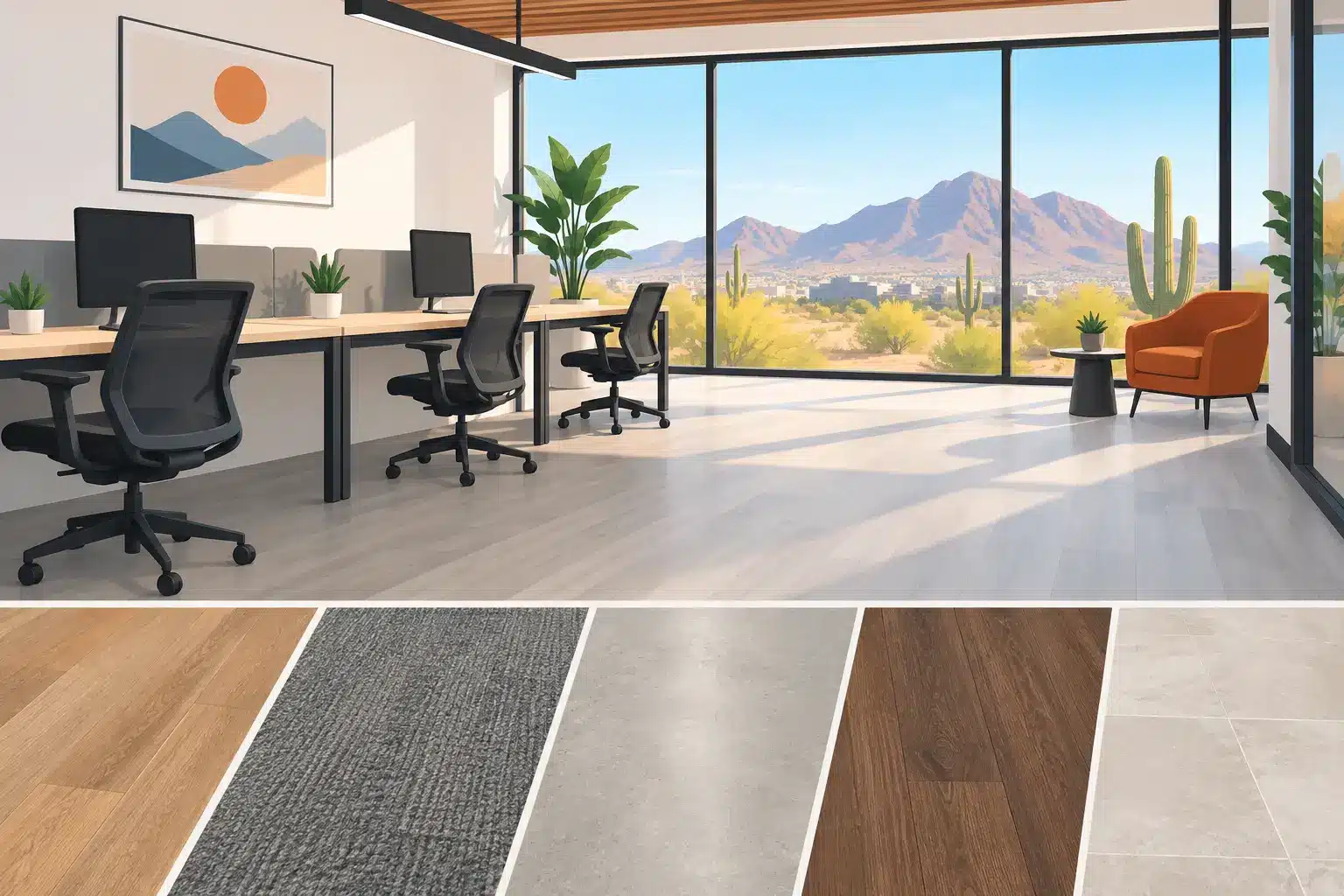
For rental properties and commercial spaces, prioritize a product that is dependable, easy to replace if damage occurs, and appropriate for the expected traffic. A timeless neutral tile may offer better long-term value than a highly specific trend, particularly when the property will serve different tenants or buyers over time.
Care That Protects Your Investment
Most porcelain and ceramic tile floors need simple routine care: sweep or vacuum away grit, then mop with a cleaner appropriate for tile and grout. Avoid harsh products that leave residue or can damage grout over time. A doormat at exterior entries helps limit the sand and small particles that can gradually dull surfaces.
Natural stone should be cleaned with products made for stone. Do not assume a general household cleaner is safe, especially on marble, travertine, or limestone. Follow the recommended sealing schedule for the specific material and use promptly cleaned spills as a basic habit.
Grout care is often what determines whether a tile floor continues to look fresh. Proper grout selection, professional installation, and periodic cleaning make a noticeable difference. If grout is sealed, keep up with the recommended maintenance rather than waiting until staining becomes difficult to remove.
Get Advice Based on Your Actual Space
The right tile is easier to choose when you can compare samples under your home’s lighting, discuss your budget, and look at the condition of the area being renovated. Premium Carpet Tile Stone and Wood, LLC helps Phoenix-area homeowners and commercial buyers narrow down choices based on style, traffic, maintenance expectations, and installation needs.
A free in-home estimate gives you a more accurate picture of material needs, preparation requirements, and project cost than a price per square foot alone. Bring photos, measurements, and a few examples of finishes you like to a showroom appointment. The best tile floor is not simply the one that looks good on day one – it is the one that still fits your space, routine, and budget years from now.




Leave A Comment