
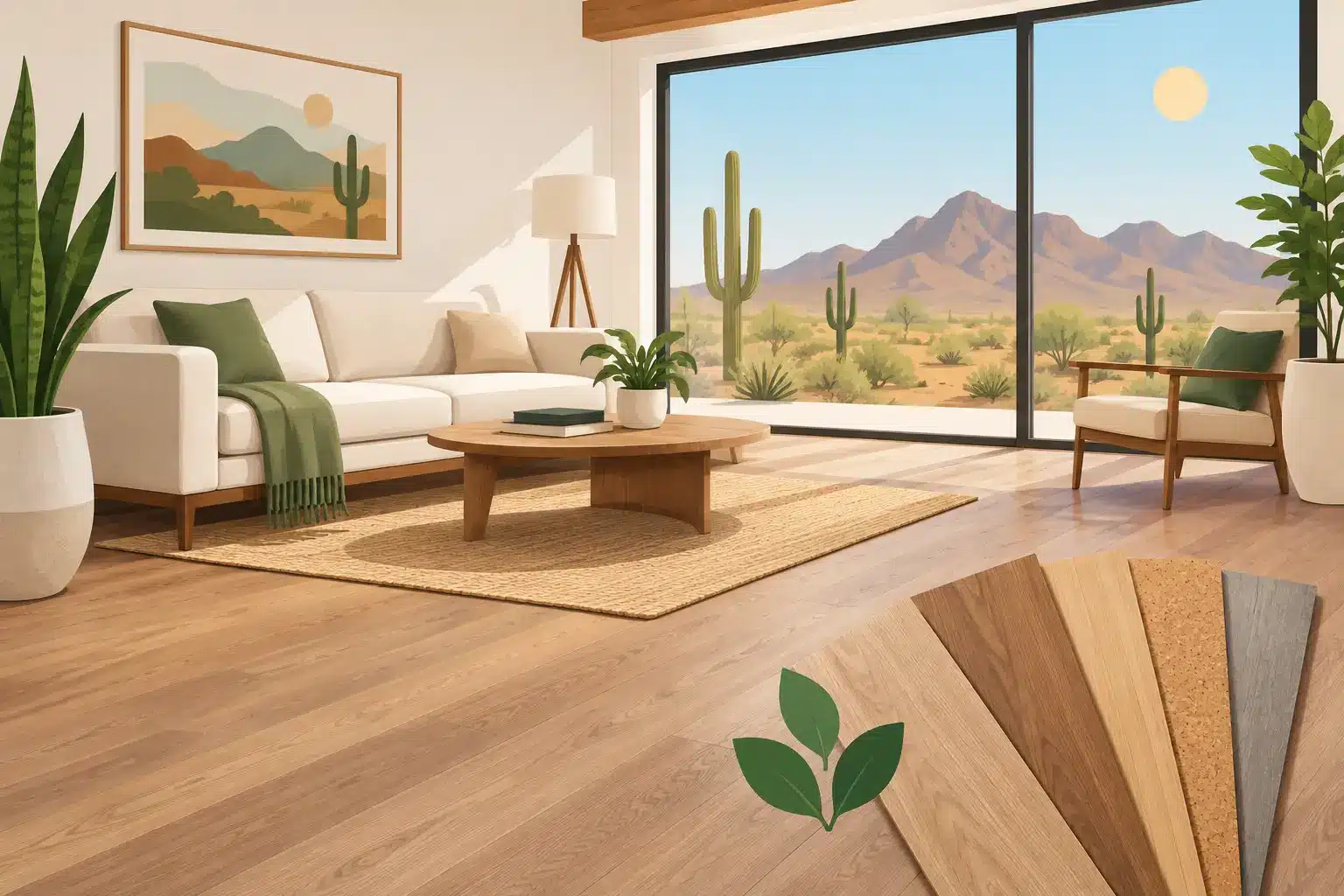
A sustainable floor should do more than carry an environmental claim. It needs to hold up to Arizona heat, active households, pets, commercial traffic, and the realities of a remodeling budget. That is why sustainable flooring trends are moving beyond one material or one label. Homeowners and property owners are choosing floors that last longer, use thoughtful materials, support healthier interiors, and can be installed with less waste.
For Phoenix and East Valley projects, the best choice is rarely the trendiest option in a sample rack. It is the flooring that fits the space, performs well for years, and avoids an early replacement. Here is what to look for when sustainability is part of the decision.
Sustainable Flooring Trends That Focus on Longevity
The most practical sustainability measure is service life. A durable floor that stays attractive for 15 or 20 years generally creates less material waste than a lower-cost floor replaced after only a few years. This is especially relevant in high-use areas such as kitchens, entryways, rental properties, offices, and retail spaces.
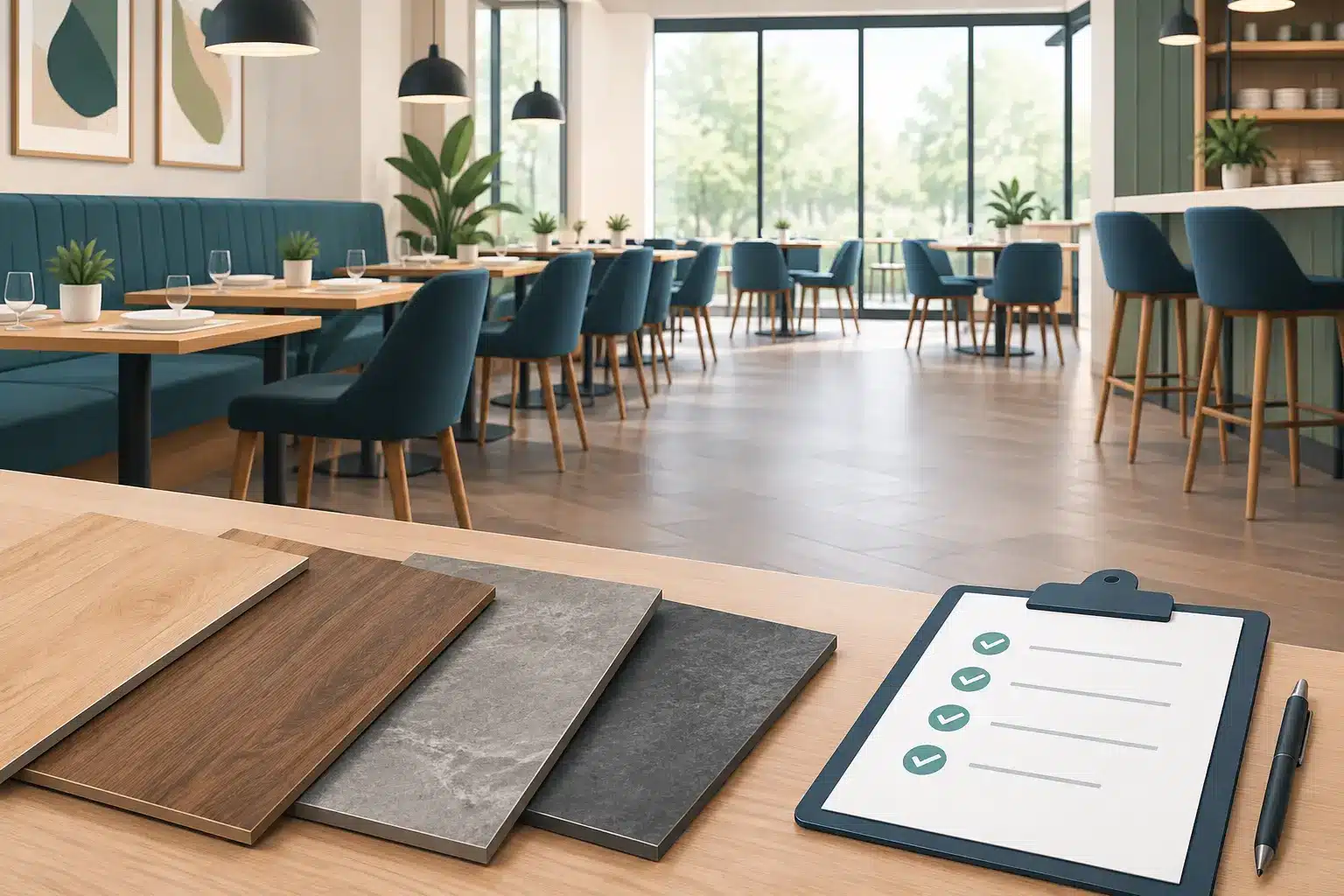
Luxury vinyl plank and luxury vinyl tile remain popular because they can provide long-term performance with low maintenance. Quality products are water-resistant, easy to clean, and available in wood and stone visuals that work with many Arizona design styles. Vinyl is not a natural material, so it is not the right answer for every buyer. Still, a well-made product installed correctly can be a responsible choice when durability, moisture resistance, and reduced replacement cycles are priorities.
Porcelain tile is another strong option for longevity. It handles heat, moisture, pet traffic, and busy commercial environments exceptionally well. Its long service life makes it a natural fit for homeowners planning to stay in place and for property owners seeking a reliable finish between tenants. Tile can also help a home feel cooler underfoot, although hard surfaces may not provide the warmth or sound absorption some rooms need.
Repairable and Refinishable Wood Floors
Hardwood continues to have a place in sustainable flooring plans, particularly when buyers choose responsibly sourced products and maintain them properly. Unlike many surface floors, solid hardwood can often be sanded and refinished rather than removed. That ability to refresh the surface can extend the floor’s useful life for decades.
Engineered hardwood offers another route for homeowners who want real wood but need better dimensional stability. Its suitability depends on the product’s veneer thickness, core construction, finish, and installation method. Some engineered floors can be refinished, while others have limited refinishing potential. Reviewing those details before purchase matters more than relying on a broad product category label.
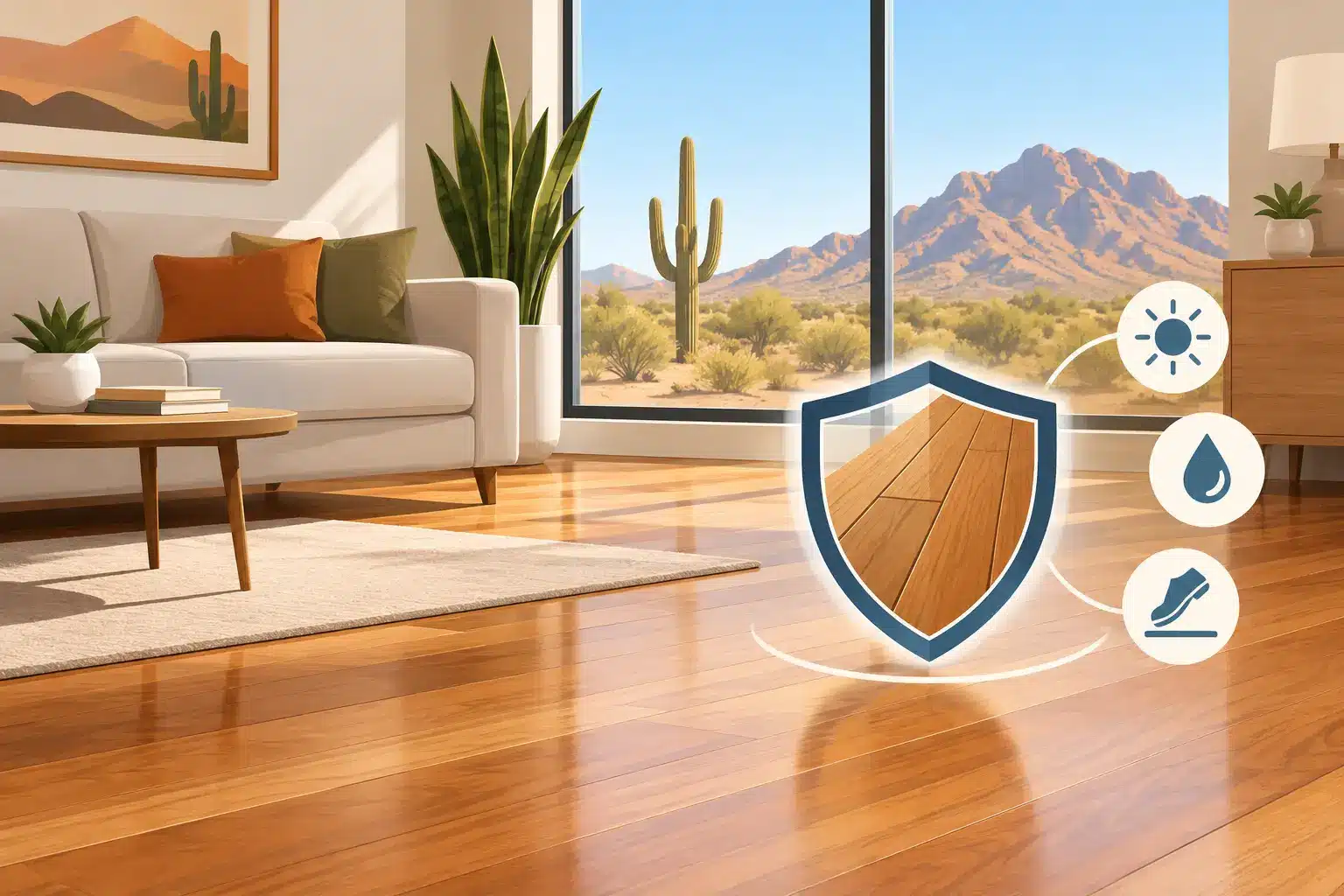
Wood needs more consideration in homes with major sun exposure or frequent indoor-outdoor traffic. Window coverings, entry mats, and prompt cleanup of spills help protect the finish. In the right room, wood brings character and longevity. In a pool-adjacent space or a high-moisture area, tile or quality LVP may be the more practical choice.
Recycled Content Is Becoming More Visible
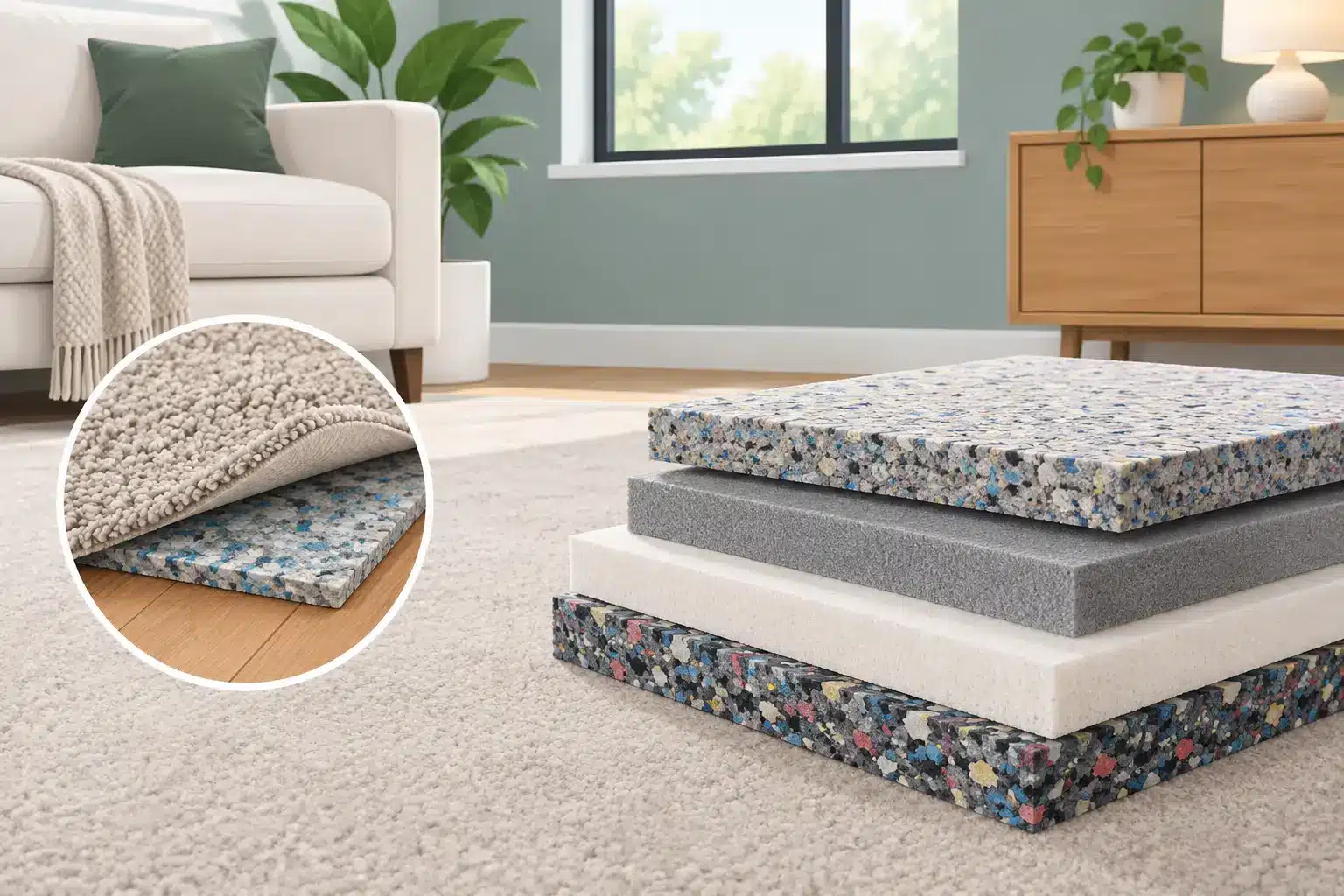
Recycled content is one of the clearest sustainable flooring trends, especially in carpet and carpet tile. Many modern carpets use fibers made from recycled materials, while certain carpet cushions and backing systems also include recycled content. For bedrooms, media rooms, offices, and hospitality spaces, carpet can add comfort and acoustic control without requiring buyers to sacrifice a more responsible material choice.
Carpet tile is particularly useful for commercial spaces, home offices, and rental properties. If one section becomes stained or damaged, it can often be replaced individually instead of removing an entire room of flooring. That targeted repair reduces disruption and waste. It also gives commercial buyers flexibility to keep extra tiles on hand for future maintenance.
Recycled content alone does not tell the whole story. Ask about the product’s expected performance, stain protection, backing, warranty, and maintenance requirements. A floor with recycled materials still needs to meet the demands of the room. Choosing a product that wears out quickly defeats much of the intended benefit.
Healthier Materials and Indoor Air Quality
More buyers are asking what goes into flooring, adhesives, underlayment, and finishes. Low-emitting products can help support better indoor air quality, particularly during a remodel when several new materials may be introduced at once.
Look for flooring and installation products that are designed for low volatile organic compound emissions. This may include low-VOC adhesives, finishes, and underlayments, not just the visible flooring surface. Professional installation matters here because proper moisture testing, subfloor preparation, and adhesive selection can affect both indoor comfort and the performance of the finished floor.
For sensitive households, it is also worth considering the maintenance side of the equation. Hard surfaces such as tile, stone, hardwood, and LVP are often easier to clean than broadloom carpet. On the other hand, carpet can improve comfort and reduce sound transfer in upstairs rooms, apartments, and offices. The right answer depends on who uses the space and how it needs to function.
Natural Looks, Practical Performance
Sustainable design is influencing color and texture as much as material selection. Warm wood tones, natural stone visuals, softer beige and sand colors, and matte finishes are replacing some of the cooler gray looks common in past years. These options tend to age well visually, which can reduce the urge to replace a floor simply because it feels dated.
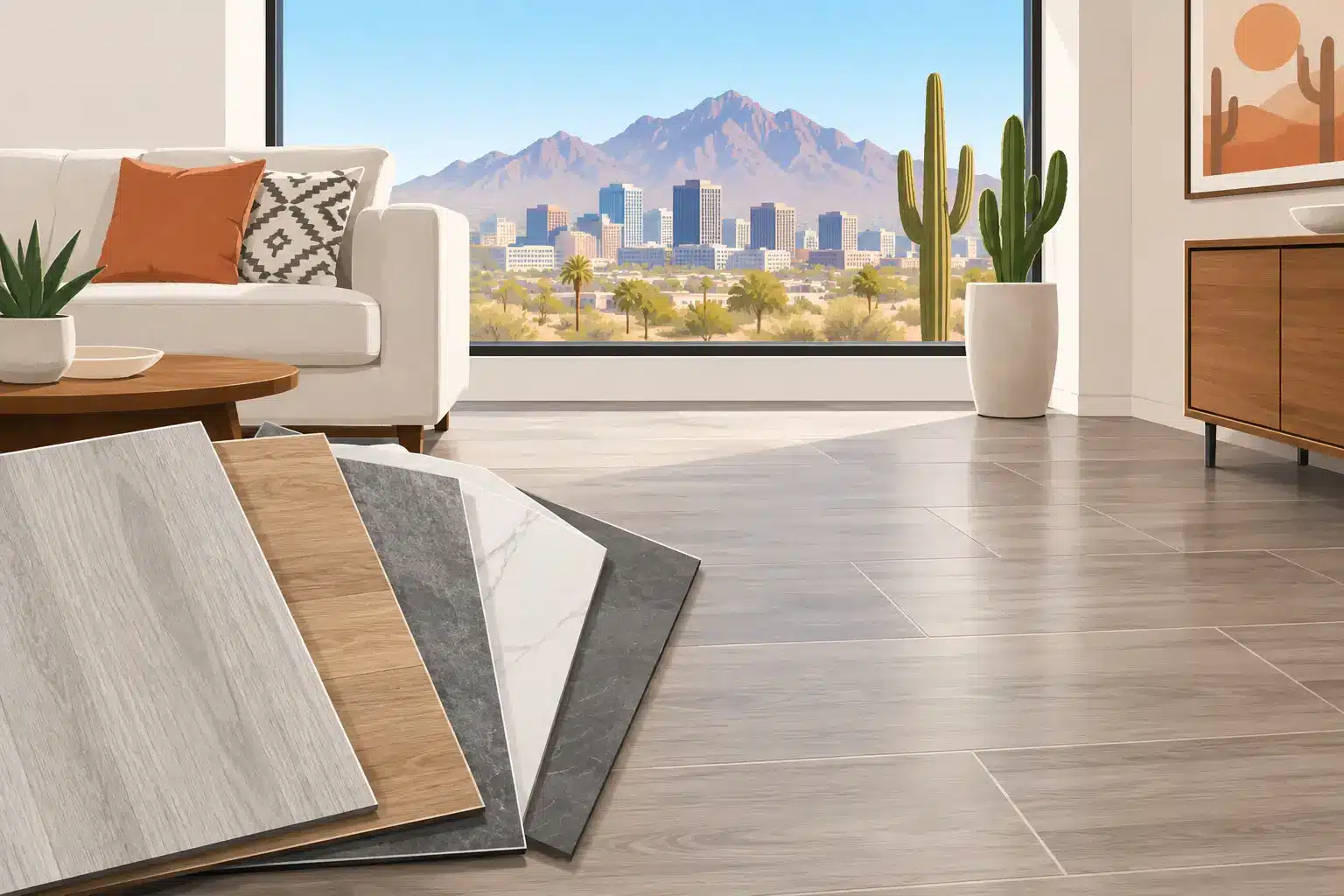
Wood-look porcelain and wood-look LVP are especially popular in Arizona because they offer the appearance of natural material with easier maintenance in demanding areas. Larger-format porcelain tile can create a clean, modern look with fewer grout lines, while stone-look tile provides a durable alternative for kitchens, bathrooms, and main living areas.
Natural stone remains a premium choice for buyers who appreciate a one-of-a-kind surface. Stone requires appropriate sealing and maintenance, and some varieties are more porous than others. When it is selected for the right application and cared for properly, it can last for generations.
Less Waste Starts With Better Planning
A sustainable flooring project begins before installation day. Accurate measurements help prevent excess ordering, while a thoughtful layout can reduce unnecessary cuts and material loss. In rooms with unusual angles, closets, stairs, or built-ins, professional measurement is especially valuable.
The condition of the existing floor also affects the plan. In some cases, a sound existing surface can serve as a base for a new installation. In others, removing damaged material and correcting the subfloor is necessary to prevent future failure. Covering a problem instead of fixing it may save money initially, but it often leads to a shorter-lived installation.
Buyers should also plan for realistic quantities. Ordering a reasonable amount of extra material is smart for future repairs, particularly with tile, carpet tile, or flooring from a specific dye lot. The goal is not to overbuy. It is to avoid replacing a larger area later because an exact match is no longer available.
Choosing Sustainable Flooring for Your Space
There is no single “greenest” floor for every Phoenix-area property. A busy family with large dogs may benefit from durable porcelain tile or a quality wear-layer LVP. A homeowner restoring an older property may find that refinishing existing hardwood is the most resource-conscious decision. An office could gain long-term value from carpet tile that allows individual replacements.
Budget also belongs in the conversation. A lower upfront price can be a good value when the product fits the use of the room. However, spending slightly more on proper preparation, a dependable product, and professional installation can prevent costly repairs or early replacement. That is often where sustainability and value meet.
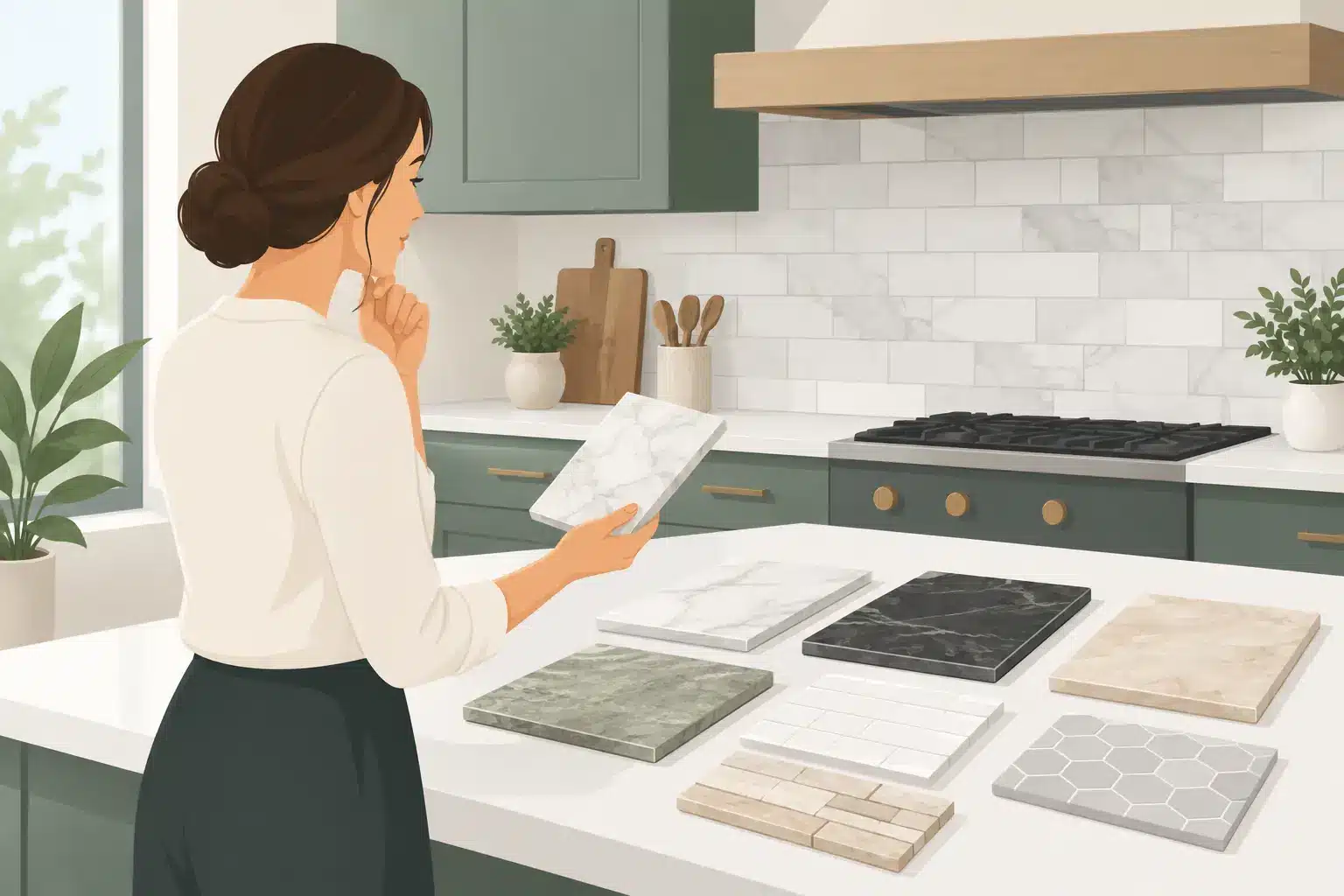
At Premium Carpet Tile Stone and Wood, LLC, buyers can compare materials in person and discuss how each option performs in their specific home or commercial setting. A free in-home estimate helps account for sunlight, subfloor conditions, traffic patterns, and installation details before a final choice is made.
The best flooring decision is one you will still feel good about after years of daily use. Start with the demands of the room, choose materials built to meet them, and let durability guide the design.


Leave A Comment