
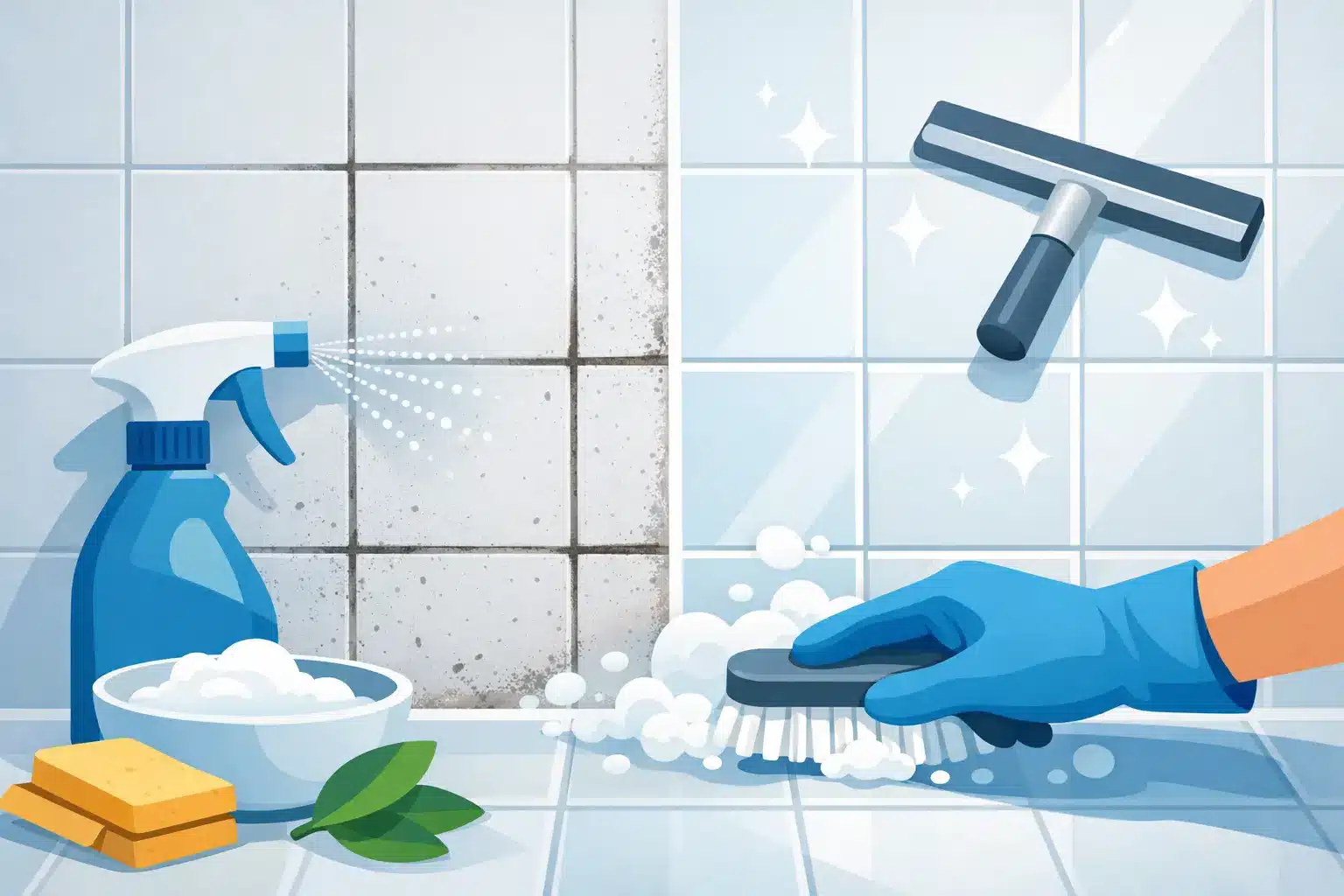
Grout can make a clean tile floor look tired long before the tile itself needs attention. If you are wondering how to clean grout without causing damage, the right method depends on the tile material, the type of stain, and whether the grout has been sealed. A little patience and the correct cleaner will usually produce better results than harsh chemicals or aggressive scrubbing.
For homeowners and property managers in Phoenix and the East Valley, dust, hard water minerals, cooking residue, and tracked-in soil can all settle into grout lines. Start with the least aggressive approach, then move to stronger solutions only when the stain calls for it.
Start by Identifying Your Tile and Grout
Before applying any cleaner, determine what is on the surface. Ceramic and porcelain tile are generally durable and can handle most everyday grout-cleaning methods. Natural stone, including travertine, marble, limestone, and slate, needs more care because acidic or abrasive products can etch the stone, dull its finish, or discolor it.
Most grout is cement-based and porous, especially if it was never properly sealed. That porosity is why light-colored grout often turns gray, brown, or yellow over time. Epoxy grout is less absorbent and usually easier to maintain, but it can still collect residue on its surface.
If you do not know whether your grout has been sealed, treat it as unsealed. Avoid soaking it with strong cleaners, and always test any product in a small, hidden area first. This is especially true in older homes, rental properties, and areas with stone tile.
How to Clean Grout With a Gentle First Pass
Vacuum or sweep the floor first. Dry grit is abrasive, and scrubbing it into damp grout can create unnecessary wear. Then mop the tile with warm water and a mild, pH-neutral cleaner to remove surface soil.
For everyday grout discoloration, make a paste with baking soda and a small amount of water. Apply it directly to the grout lines, let it sit for about 10 minutes, and scrub gently with a stiff nylon grout brush. A small brush is more effective than a large scrub brush because it concentrates the effort on the grout rather than the tile.
Rinse thoroughly with clean water and wipe up the remaining moisture with a microfiber cloth or towel. Leaving dirty cleaning water on the floor can redeposit residue as it dries. Check the grout once it is fully dry, since wet grout often looks darker than it really is.
Do not use a wire brush, steel wool, or a highly abrasive scouring pad. These can scratch glazed tile, wear down grout, and leave behind metal fragments that may rust.
For Shower Grout and Soap Film
Bathroom grout often has a different problem than kitchen or entryway grout. Soap film, body oils, shampoo residue, and moisture can create a dull buildup that holds mildew in place. Begin with a pH-neutral bathroom cleaner that is approved for your tile type, then scrub the grout with a nylon brush.
If the grout has mildew staining, use a cleaner specifically formulated for mold and mildew that is safe for the surrounding tile. Follow the product instructions closely, keep the room ventilated, and never mix cleaning chemicals. Bleach and ammonia, for example, can create dangerous fumes when combined.
After cleaning, dry the shower walls and floor as much as possible. A quick pass with a squeegee after use is one of the simplest ways to reduce recurring buildup. Good ventilation also matters, particularly in bathrooms without strong exhaust fans.
For Kitchen Grout and Grease Stains
Kitchen grout can collect grease that plain water will not remove. Use a mild alkaline tile and grout cleaner designed to cut through kitchen residue, rather than reaching immediately for a harsh degreaser. Apply it in manageable sections so it does not dry on the tile.
Allow the cleaner to dwell for the recommended time, scrub the grout lines, then rinse well. In areas near the range, under cabinets, or around a kitchen island, repeat the process as needed. Several gentle cleanings are safer than one overly aggressive treatment.
When a Stronger Grout Cleaner Makes Sense
If baking soda and a pH-neutral cleaner do not improve the grout, a commercial oxygen-based grout cleaner can be a good next step for ceramic or porcelain installations. Oxygen cleaners are often effective on deeply embedded organic stains and general dinginess without the harsh odor associated with chlorine bleach.
Read the label for compatibility, particularly if your tile is textured, colored, or natural stone. Apply the product according to directions, give it adequate dwell time, scrub with a nylon brush, and rinse until no cleaner remains. Skipping the rinse can leave a sticky film that attracts more dirt.
Chlorine bleach may brighten white grout temporarily, but it is not always the best long-term answer. Repeated use can weaken some cement-based grouts, and bleach does not remove every type of soil. It can also fade colored grout and damage nearby fabrics, painted surfaces, or fixtures. Reserve it for situations where the product is clearly appropriate and use it carefully.
Acidic cleaners deserve even more caution. Vinegar is often promoted as an all-purpose household cleaner, but it should not be used on natural stone. It can etch marble, travertine, limestone, and other calcium-based materials. Acid can also gradually break down cement grout. For stone floors and showers, stay with a stone-safe, pH-neutral cleaner unless a flooring professional recommends another option.
Address Stains Instead of Scrubbing Forever
Not every dark grout line is simply dirty. Rust stains, hard water deposits, mildew, and failing grout each need a different response. If a stain returns quickly after cleaning, look for the underlying cause.
Hard water buildup may appear as a white or chalky crust near shower fixtures or on bathroom floors. A stone-safe hard water remover may be necessary for natural stone, while ceramic and porcelain may tolerate stronger products approved for that use. Rust often comes from a metal item left on the floor or a corroding fixture. Remove the source before treating the discoloration.
Grout that is cracked, missing, soft, or continually dark in one area may indicate moisture below the surface. In a shower, that can point to a failed caulk joint, plumbing issue, or water-management problem. No cleaning product can solve damaged grout or an active moisture issue. Repairing the problem first protects the tile installation and prevents a larger expense later.
Seal Clean Grout to Make Maintenance Easier
Once the grout is clean and completely dry, consider applying a penetrating grout sealer if the grout is cement-based and unsealed. Sealer does not make grout stain-proof, but it slows absorption and makes regular cleaning much easier.
Drying time matters. Depending on the product and conditions, grout may need 24 to 72 hours after deep cleaning before sealing. In Arizona’s dry climate, surfaces can feel dry quickly, but moisture may still remain below the surface. Follow the sealer manufacturer’s instructions rather than relying on appearance alone.
Apply sealer carefully along the grout lines and wipe excess from the tile before it dries. Some textured tile and natural stone surfaces can hold product residue, so a small test area is worth the extra few minutes. Reapply sealer on the schedule recommended for the product and the amount of traffic the area receives.
Keep Grout Cleaner Between Deep Cleanings
Regular maintenance prevents the need for heavy-duty cleaning. Sweep or vacuum tile floors frequently, especially near exterior doors where sand and dust enter. Mop with a cleaner suited to the tile, not a soap-heavy product that leaves buildup behind.
Use mats at entrances and in front of sinks, but choose mats with non-staining backings. In showers, rinse away soap residue and improve airflow after bathing. A few minutes of routine care can make a major difference in how long grout stays bright.
If your tile floor, shower, or backsplash needs more than cleaning, it may be time to discuss regrouting, sealing, or a replacement material that better fits the space. Premium Carpet Tile Stone and Wood, LLC helps Phoenix-area homeowners and commercial buyers evaluate flooring and tile options with practical guidance based on how the space is actually used. The best result is not just cleaner grout, but a surface that remains attractive and manageable for years.







Leave A Comment