

A stairway is one of the hardest-working surfaces in a home. It handles concentrated foot traffic, shoes, pets, moving furniture, and daily wear on every tread edge. The best flooring for stairs is not always the same material that works best in a living room or bedroom. Safety, traction, stair construction, maintenance needs, and the finished look all deserve equal consideration before installation begins.
For Phoenix and East Valley homeowners, the right choice often comes down to how the household uses the stairs. A busy family with children or dogs may prioritize grip and noise control, while a homeowner remodeling for a more polished, open look may prefer wood or luxury vinyl. The goal is to choose a floor that looks right, feels secure underfoot, and holds up over time.
What Makes Flooring a Good Fit for Stairs?
Stairs place different demands on flooring than flat surfaces. Every step includes a tread, riser, nosing, and edge transition. These details need to be properly covered and finished to avoid loose material, uneven surfaces, or trip hazards.
A good stair flooring choice should provide dependable traction, especially at the front edge of each step. It should also resist visible wear, since stair traffic tends to follow the same narrow path up and down. Comfort and sound matter, too. Hard surfaces can make a stairwell louder, while carpet helps soften footfall throughout the home.
Installation is just as important as the material itself. Stair work requires precise measurements, secure adhesion or fastening, carefully fitted nosings, and clean transitions at landings. A material that performs well on a wide, flat floor may not be the best choice if it cannot be installed correctly on the stair profile.
Carpet: Often the Best Flooring for Stairs
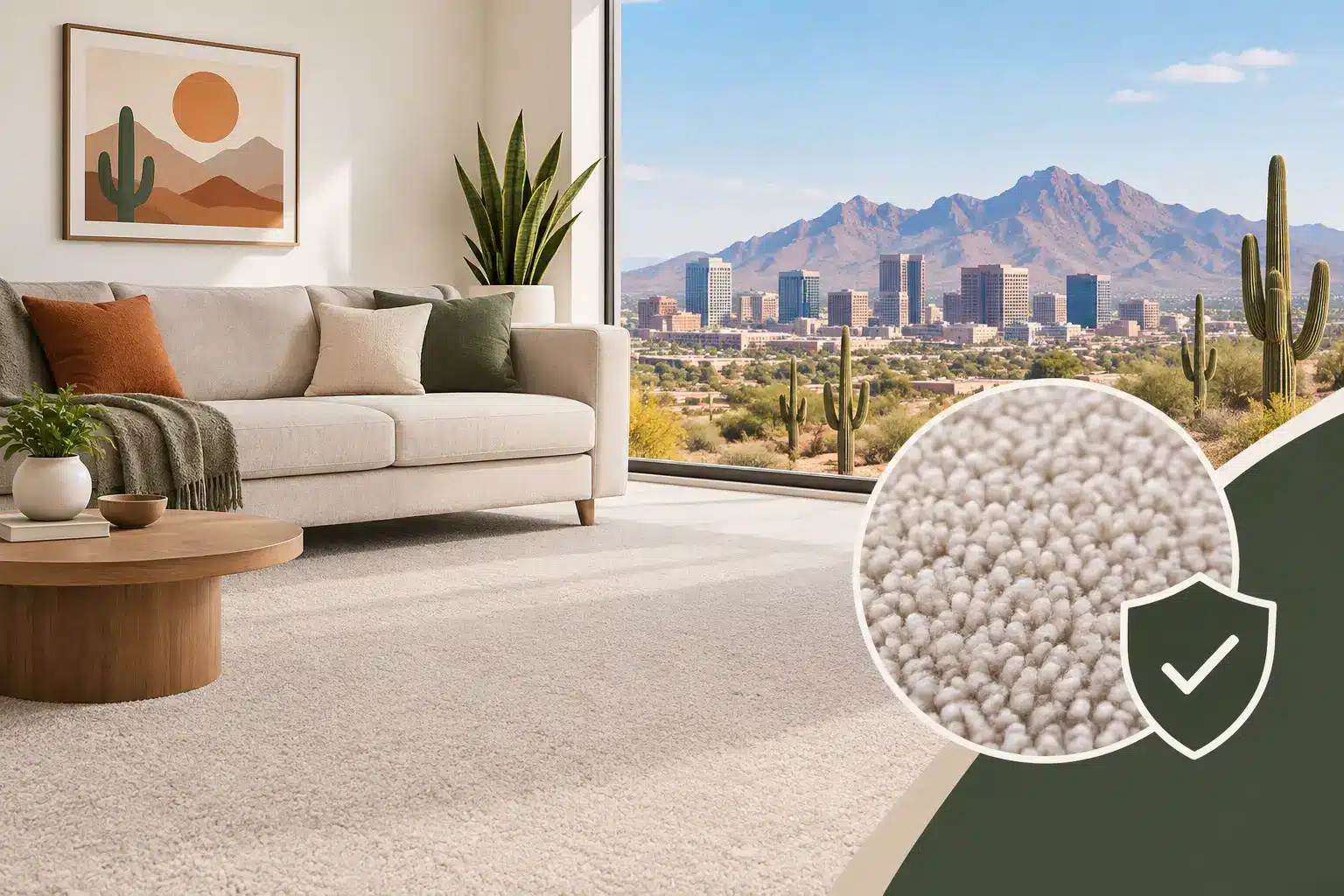
For many households, carpet remains the most practical and comfortable flooring for stairs. It provides natural traction, reduces slipping risk, cushions each step, and significantly limits noise. That makes it especially appealing in two-story homes, family homes, and rental properties where durability and everyday comfort matter.
Carpet also gives homeowners flexibility with color, texture, and budget. A low-profile cut pile or durable textured carpet can handle regular stair traffic while keeping a clean, tailored appearance. Patterns and flecked colors can be useful for disguising everyday soil and wear along the center of the stairs.
The trade-off is maintenance. Carpet can hold dust, pet hair, and allergens, and it may show staining more readily than a hard surface. Choosing a stain-resistant product and vacuuming regularly can make a significant difference. For stairs, avoid overly plush styles that can crush down quickly or make tread edges less defined.
A carpet runner is another strong option for homeowners who want the warmth and grip of carpet without covering the entire stairway. A runner installed over wood or another hard-surface stair creates a high-end look while preserving visible material along both sides of the steps.
Hardwood and Engineered Wood for a Timeless Look
Hardwood stairs create a classic, upscale appearance and work well when the goal is visual continuity with surrounding wood flooring. Solid hardwood can be refinished over time, while engineered hardwood offers the same natural wood appearance with added dimensional stability. Both can add value and character to a home.
The main consideration is traction. Smooth wood stair treads can be slippery, particularly with socks, pets, or young children in the home. Homeowners can improve safety with a stair runner, non-slip treatment, or a finish with less sheen. A matte or satin finish generally hides scuffs and small scratches better than a high-gloss finish.
Wood stairs also need thoughtful installation. Treads and risers must be properly fitted, and stair nosing details need to be consistent from top to bottom. Small gaps or uneven transitions are more noticeable on a stairway than on a larger floor area. For a home with existing hardwood downstairs, matching the species, stain color, grain variation, and finish can take professional product guidance.
Luxury Vinyl Plank: Durable and Budget-Conscious
Luxury vinyl plank, often called LVP, is a popular choice for homeowners who want the appearance of wood with easier maintenance and a more moderate price point. It is water-resistant, easy to clean, and available in a wide range of wood-look colors and textures. For active homes, it can be a practical choice on stair landings and throughout the main living areas.
On stairs, however, luxury vinyl requires the right product and installation method. Not every click-lock plank is designed to be installed on treads. Stair applications may require adhesive installation, coordinating flush stair nosing, or stair caps made for the specific collection. Using a generic transition piece or trying to force floating planks onto a stairway can lead to movement, exposed edges, or a poor finished appearance.
LVP is generally less slippery than polished wood, particularly when it has an embossed texture, but it is still a hard surface. It will not provide the same cushioning or sound reduction as carpet. It is a good fit for homeowners who want a consistent hard-surface look from the first floor through the stairway and upper-level landing.
Tile and Stone: Best for Specific Stair Designs
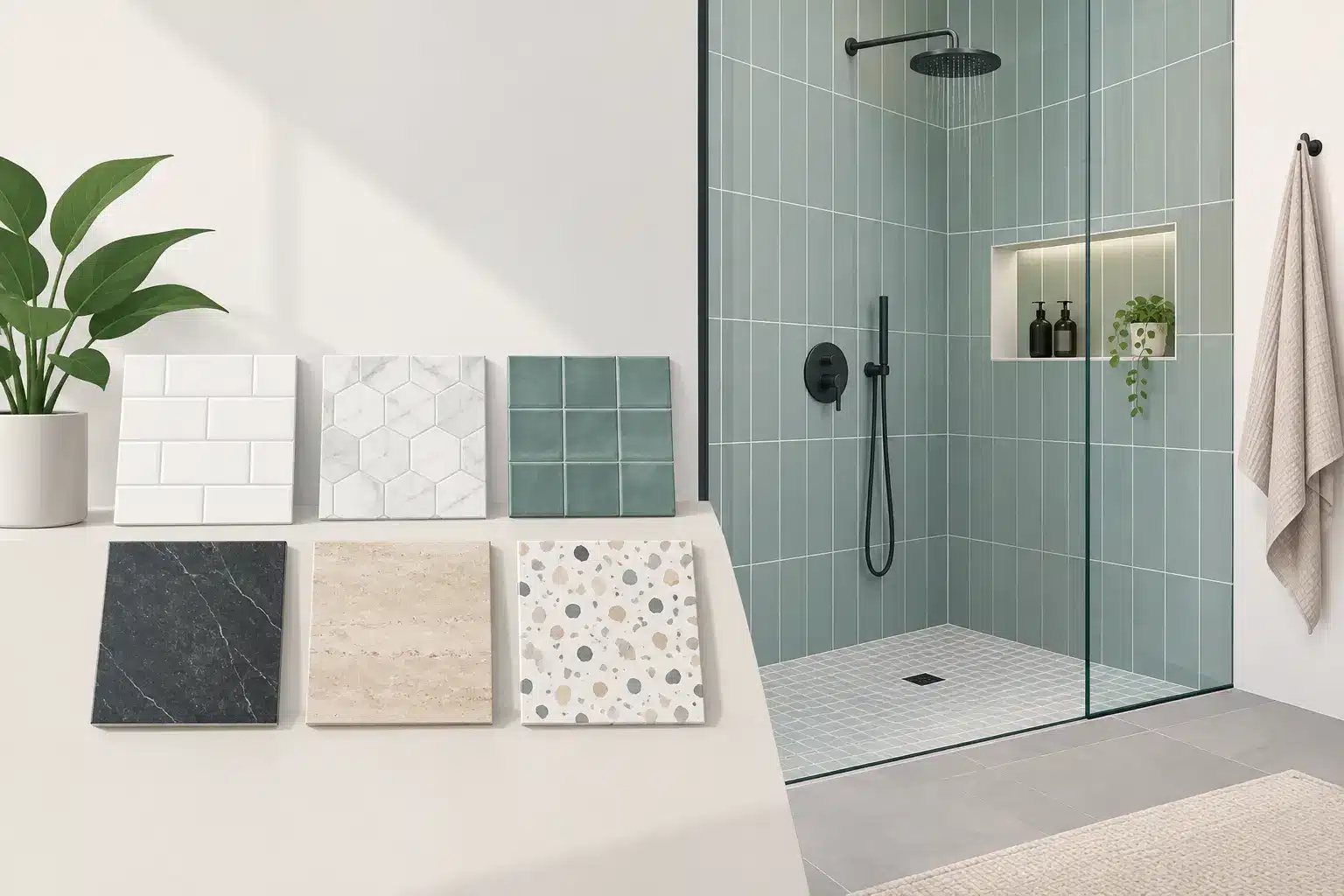
Tile and natural stone are exceptionally durable and can be striking on interior or exterior stairs. They are often selected for modern homes, entry stairs, outdoor steps, and areas where moisture resistance is a priority. Porcelain tile, in particular, offers strong performance and a broad range of stone-look and wood-look styles.
That said, tile and stone are not the default choice for most interior residential staircases. They are hard underfoot, louder than carpet, and can be slippery when wet or when a glossy finish is used. Proper tread selection, slip resistance, and edge treatment are essential. A stair nosing or textured tile designed for stair use can improve safety and protect the edge from chipping.
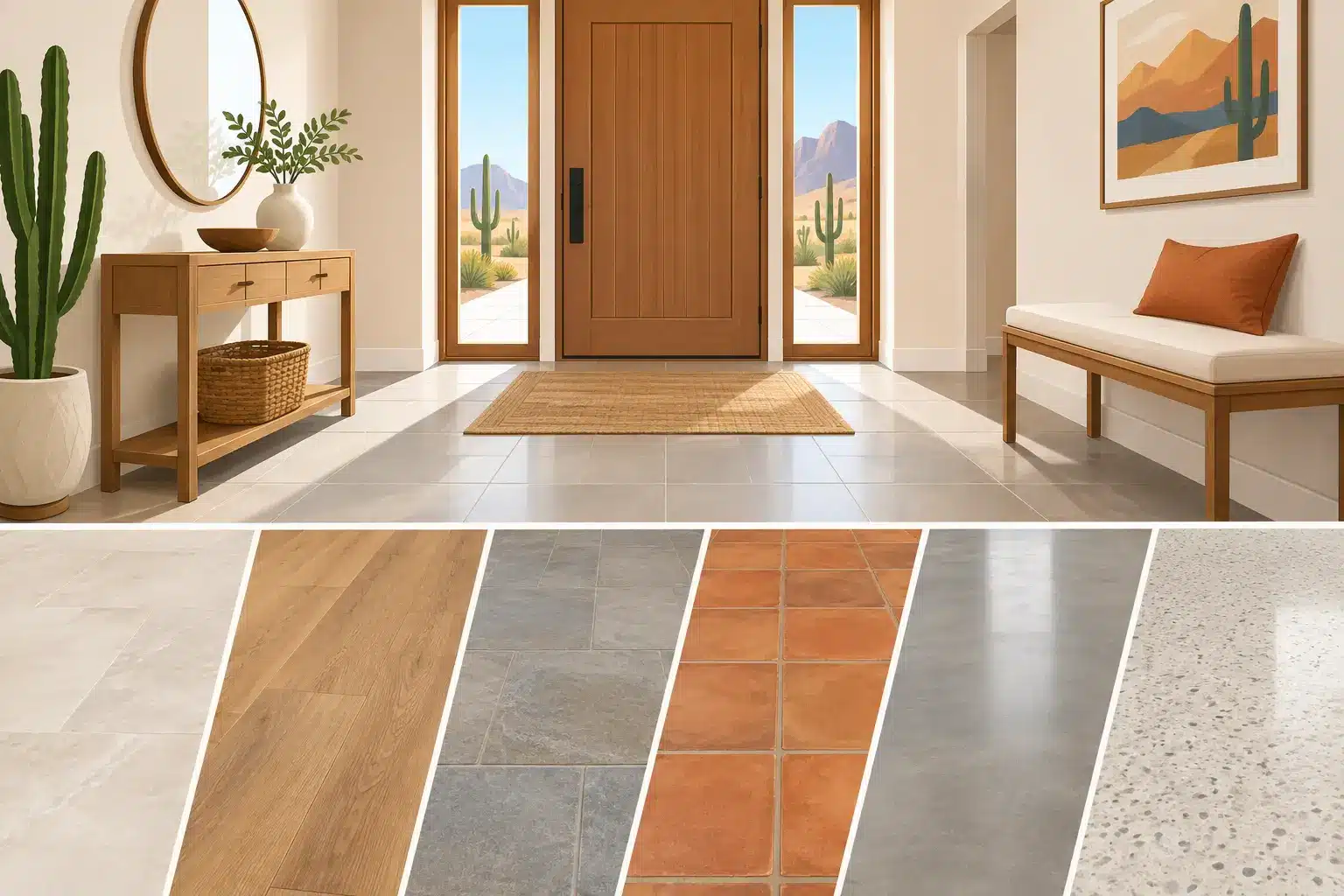
Tile and stone can make sense when they match an existing entryway or when a home has a clean, contemporary design. They are usually best evaluated as part of a complete stair and landing plan rather than selected as an isolated material choice.
Choosing Based on Your Household
There is no single answer that works for every property. The best choice depends on who uses the stairs and what matters most in the space.
For homes with children, older adults, or pets, carpet is often the safest and quietest option. A carpet runner on wood stairs can offer a balance of traction and style. For homeowners focused on a high-end, enduring finish, hardwood or engineered wood can be an excellent investment when paired with a runner or a lower-sheen finish.
For rental properties and active households that want easy cleaning, luxury vinyl may provide the right balance of appearance, durability, and cost. For a custom entry, exterior transition, or contemporary architectural setting, porcelain tile or stone may be appropriate when slip resistance is addressed from the start.
Color also affects long-term satisfaction. Very dark stairs can show dust and pet hair, while very light colors may reveal scuffs on tread edges. Mid-tone wood looks, heathered carpet, and textured finishes are often forgiving choices for everyday use.
Details That Should Never Be Overlooked
Even premium flooring can underperform on stairs if the details are ignored. Before choosing a product, confirm that it is approved for stair installation and that matching stair noses, reducers, or transitions are available. These pieces affect both the appearance and the safety of the finished staircase.
Existing stair condition matters as well. Squeaks, uneven treads, damaged subflooring, and loose nosings should be corrected before new flooring is installed. Covering a problem does not solve it, and stair repairs become more difficult once the new material is in place.
It is also worth considering the connection between the stairway and nearby spaces. A stair flooring choice should coordinate with the first-floor flooring, the upper landing, and any hallway transitions. Samples viewed in the home can help reveal how color and texture look in natural light, especially in Arizona homes with bright sun exposure.
The right stair flooring should make every trip up and down feel secure, not like something you need to think about. A free in-home estimate from Premium Carpet Tile Stone and Wood can help you compare materials, see samples in your own lighting, and choose an installation approach that fits both your home and your budget.


Leave A Comment