

If you have ever compared flooring quotes and wondered why one price looks dramatically lower than another, flooring wholesale pricing explained starts with a simple truth: not every quote includes the same product, the same service, or the same long-term value. A low number on paper can reflect real savings, but it can also leave out key details like underlayment, tear-out, trim, freight, or installation standards.
That is why wholesale flooring prices are worth understanding before you make a decision. Whether you are updating one room, renovating a rental, or planning a commercial project, the goal is not just to find the cheapest square foot price. The goal is to know what you are paying for, where the savings come from, and whether the final result fits your space, budget, and timeline.
What wholesale pricing actually means in flooring
In flooring, wholesale pricing usually refers to product being sold closer to distributor or dealer cost than traditional retail showroom pricing. That does not mean every material is sold at the same margin, and it does not mean every buyer gets the exact same deal. Pricing can shift based on brand, style, product availability, order size, and whether the purchase includes installation.
For most customers, wholesale pricing means access to better material pricing without having to manage the supply chain themselves. Instead of paying a large retail markup in a high-overhead environment, you are often working with a dealer who has direct manufacturer relationships, volume purchasing power, and a more efficient sales model.
That model matters. A showroom-by-appointment business, for example, can often control overhead better than a large walk-in retail location. That can create room for better pricing while still giving customers one-on-one guidance.
Flooring wholesale pricing explained by product category
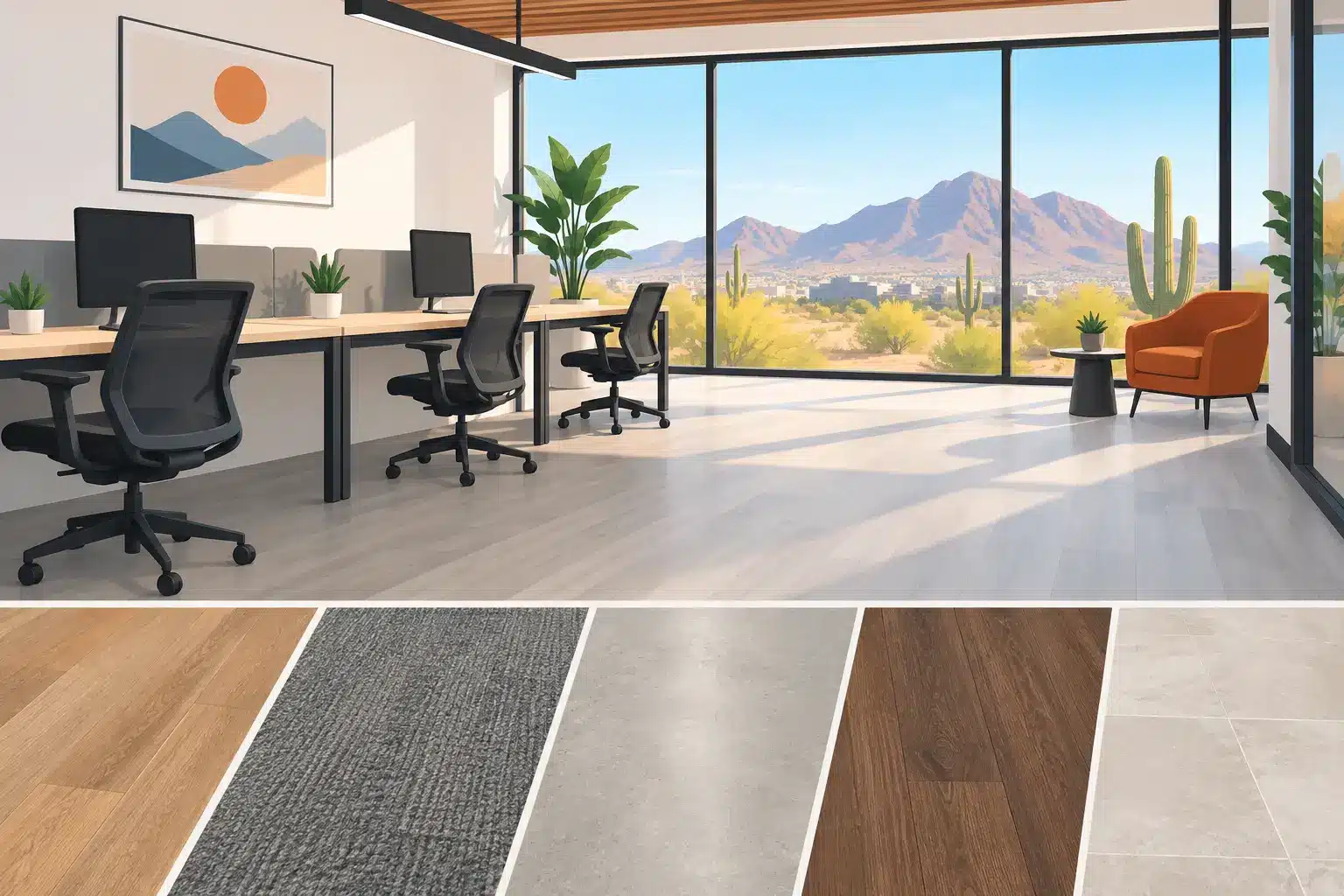
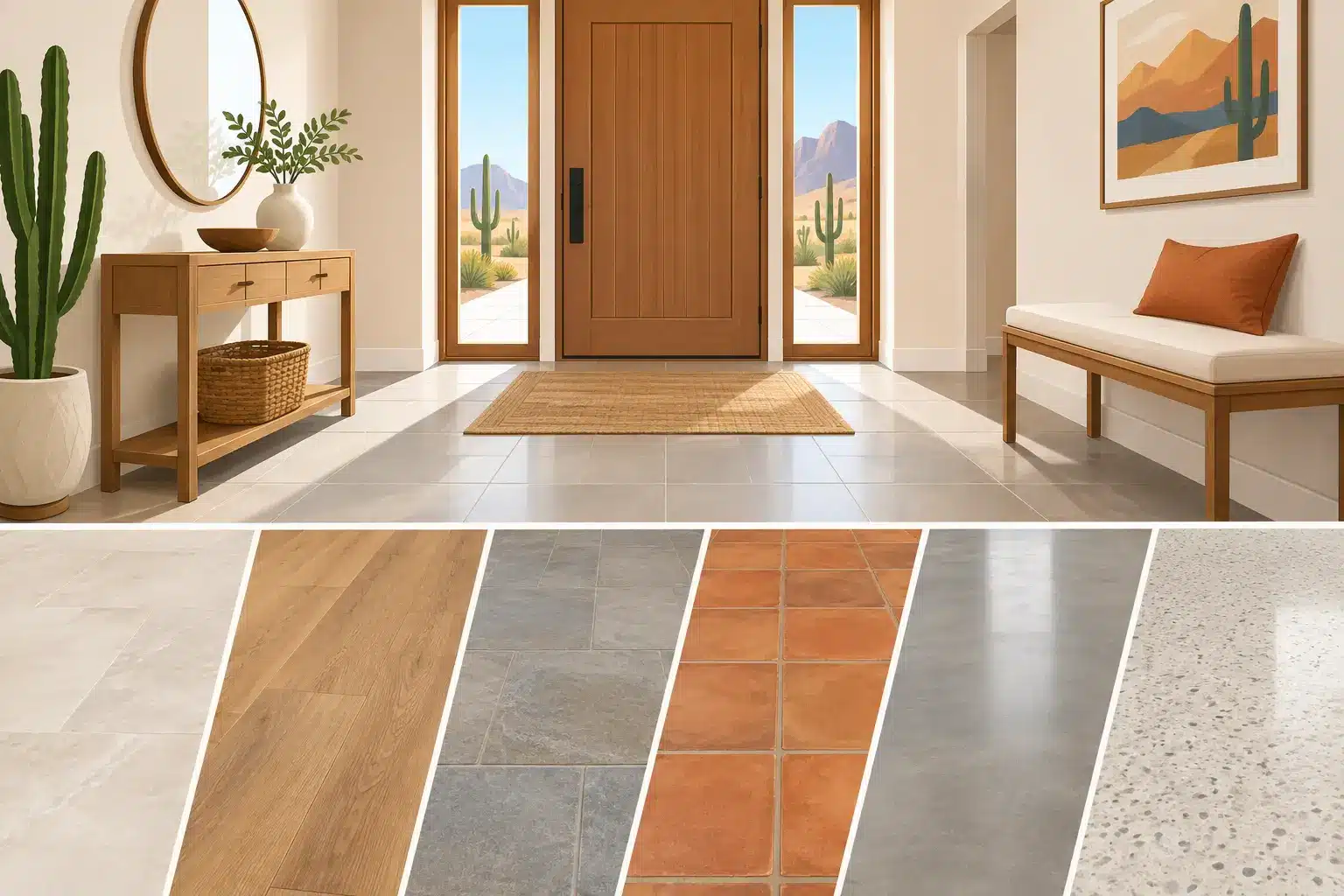
Different flooring categories follow different pricing patterns. Carpet, tile, hardwood, luxury vinyl plank, and natural stone are not priced the same way because their manufacturing, shipping, and installation demands are different.
Carpet often has a wide pricing spread. Entry-level options may look attractive on price, but fiber type, face weight, stain resistance, and pad quality all affect total value. A lower-cost carpet may work well in a guest room or rental, while a busy family room may justify stepping up in quality.
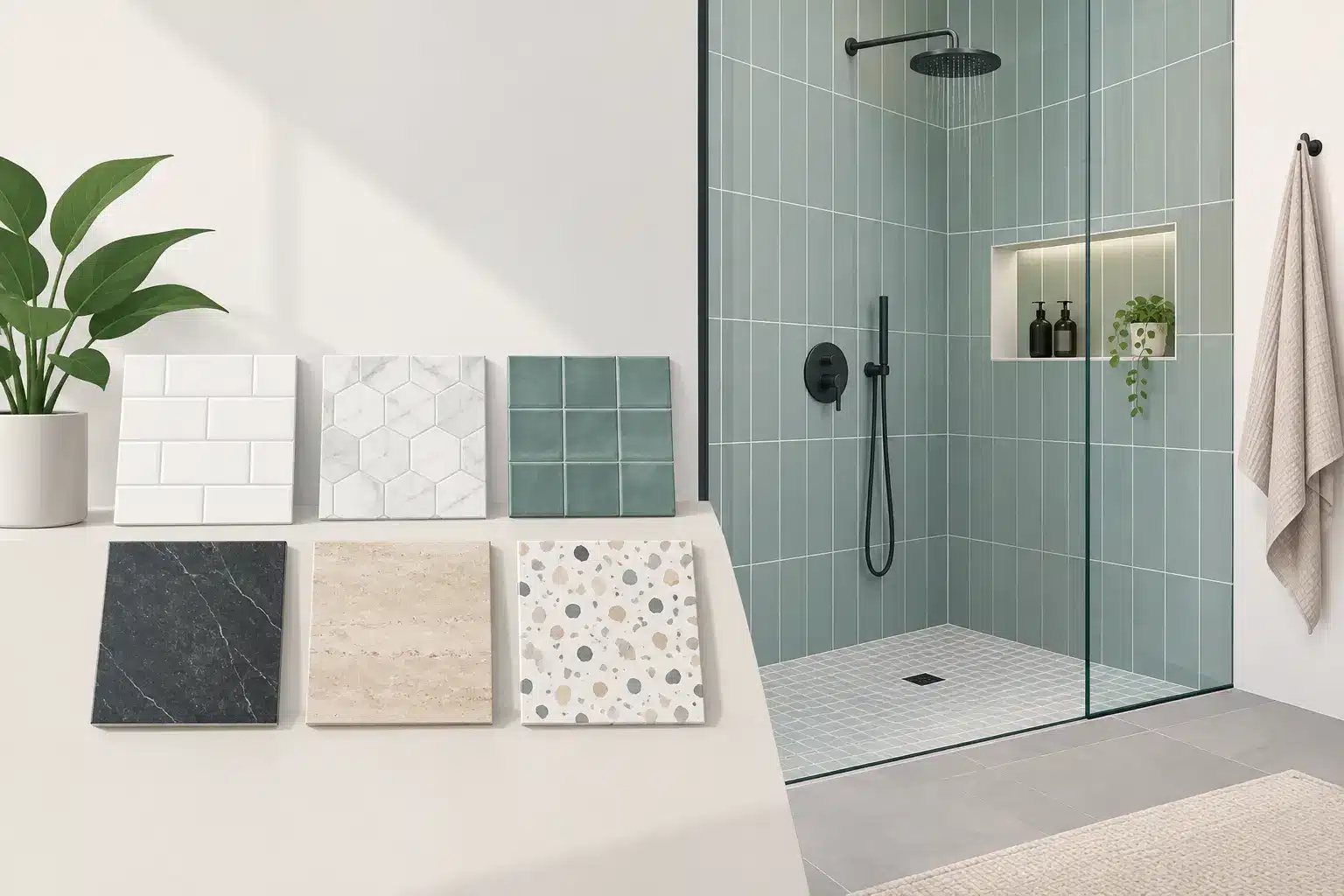
Tile and stone tend to bring more variables into the quote. Material cost is one piece of the equation, but pattern, tile size, substrate condition, demolition, and layout complexity can move installation cost significantly. Two tile quotes can look close on material and still end up far apart once labor is added.
Hardwood pricing depends heavily on species, grade, width, finish type, and whether the product is solid or engineered. On paper, one wood floor may seem overpriced next to another. In practice, the construction quality, wear layer, and stability in Arizona’s climate may justify the difference.
Luxury vinyl plank and vinyl tile are often where buyers expect the biggest wholesale savings. They can be cost-effective, but quality still varies a lot. Wear layer, core construction, locking system, texture, and waterproof performance all affect price.
Why one wholesale quote is lower than another
There are several reasons one quote comes in lower, and not all of them are bad. Sometimes a dealer bought inventory at a favorable cost, has access to a discontinued line, or is quoting a product with strong manufacturer incentives. Those are legitimate ways buyers can save money.
Other times, the lower quote reflects a thinner product, a shorter warranty, or fewer included services. That is where confusion starts. A quote for flooring only is not comparable to a quote that includes measurement, furniture moving, removal of old material, installation, and cleanup.
Freight also plays a role, especially with tile, stone, and special-order products. Some materials are expensive to ship, and those costs may be built into one quote but shown separately in another. Timing can matter too. If a product is in stock locally, pricing may be stronger than a special-order item coming from out of state.
The square foot price is only part of the story
One of the biggest mistakes buyers make is focusing only on the advertised square foot number. That number can be useful, but it is not the full project cost.
A flooring project usually includes material, waste factor, underlayment or pad, prep work, transitions, baseboards or trim adjustments, delivery, and labor. In some homes, subfloor correction or moisture mitigation may also be needed. In commercial spaces, there may be jobsite restrictions, phased installation, or after-hours scheduling to consider.
This is why flooring wholesale pricing explained in a useful way has to go beyond sticker price. The better question is, what is the completed installed cost for the result you actually want?
How wholesale flooring saves money without cutting corners
The best wholesale pricing is not about stripping away service. It is about reducing unnecessary markup and helping customers choose the right material the first time.
An experienced flooring company can often save buyers money in ways that do not show up in a basic ad. That might mean recommending a better-performing product at a similar price point, steering a customer away from a material that will not hold up in a high-traffic home, or identifying installation issues before they become change orders.
That kind of guidance has real value. Replacing the wrong floor in three years is far more expensive than choosing the right one now.
Flooring wholesale pricing explained for Phoenix and East Valley buyers
Local market conditions matter. In Phoenix and the East Valley, flooring needs to perform in heat, dry conditions, and heavy dust. That affects product recommendations and sometimes pricing.
For example, some hardwood constructions are a better fit than others in Arizona. Certain carpet fibers handle wear and cleaning better in active households. Luxury vinyl products can be a practical choice in many homes, but not every plank is made to the same standard. Tile remains popular for good reason, though installation quality is just as important as material selection.
Working with a local flooring source also helps with practical details like lead times, field measurements, and installation coordination. If there is an issue, local support matters. That is especially true for remodelers, property owners, and commercial buyers who need dependable scheduling.
How to compare quotes the right way
When you review flooring quotes, ask for enough detail to make a fair comparison. You want to know the exact product, brand, style, thickness or construction details where relevant, and what services are included.
It also helps to ask about waste allowance, pad or underlayment, freight, tear-out, floor prep, transitions, and warranty coverage. If one quote is much lower, ask why. A trustworthy dealer should be able to explain the difference clearly.
This is also where expert guidance can save time. A company like Premium Carpet Tile Stone and Wood, LLC can walk customers through product differences and quote details in plain terms, which makes it easier to compare value instead of guessing from a line-item total.
When paying more makes sense
Not every project should be priced to the lowest possible number. A rental turn may call for durable, budget-conscious flooring with quick installation. A primary home may justify a better carpet cushion, a stronger LVP wear layer, or a tile layout that adds design value. A commercial project may need a product built for rolling loads, frequent cleaning, or code requirements.
The right flooring choice depends on how the space is used. That is why the best pricing conversations are tied to your actual goals, not just a sale item.
What honest wholesale pricing should feel like
It should feel clear, not vague. You should understand what material you are getting, what the installation includes, and where the price fits in the market. You do not need every technical detail, but you should never feel like you are comparing mystery numbers.
Good wholesale pricing also comes with realistic expectations. If a product is a special buy, there may be limited stock. If a floor needs prep, that cost should be addressed early. If one material is cheaper but less suitable for your space, that trade-off should be explained.
When flooring wholesale pricing is explained well, the process gets much easier. You can make a decision based on performance, appearance, and total installed value instead of chasing a number that may not tell the whole story. The best quote is the one that fits your project honestly and holds up long after installation day.




Leave A Comment